Utility efficiency is not killing demand — it may be helping create more of it.
Jevons Paradox Supports Utilities Amid AI Demand
That is the core investing lesson in the Jevons paradox, and it matters right now because the market is still trying to price the future of power, data centers and the utilities that feed them. As AI models, chips and cloud infrastructure become more efficient, the instinct is to assume they will use less electricity. History suggests the opposite can happen: lower costs and better efficiency often expand usage so fast that total consumption rises.
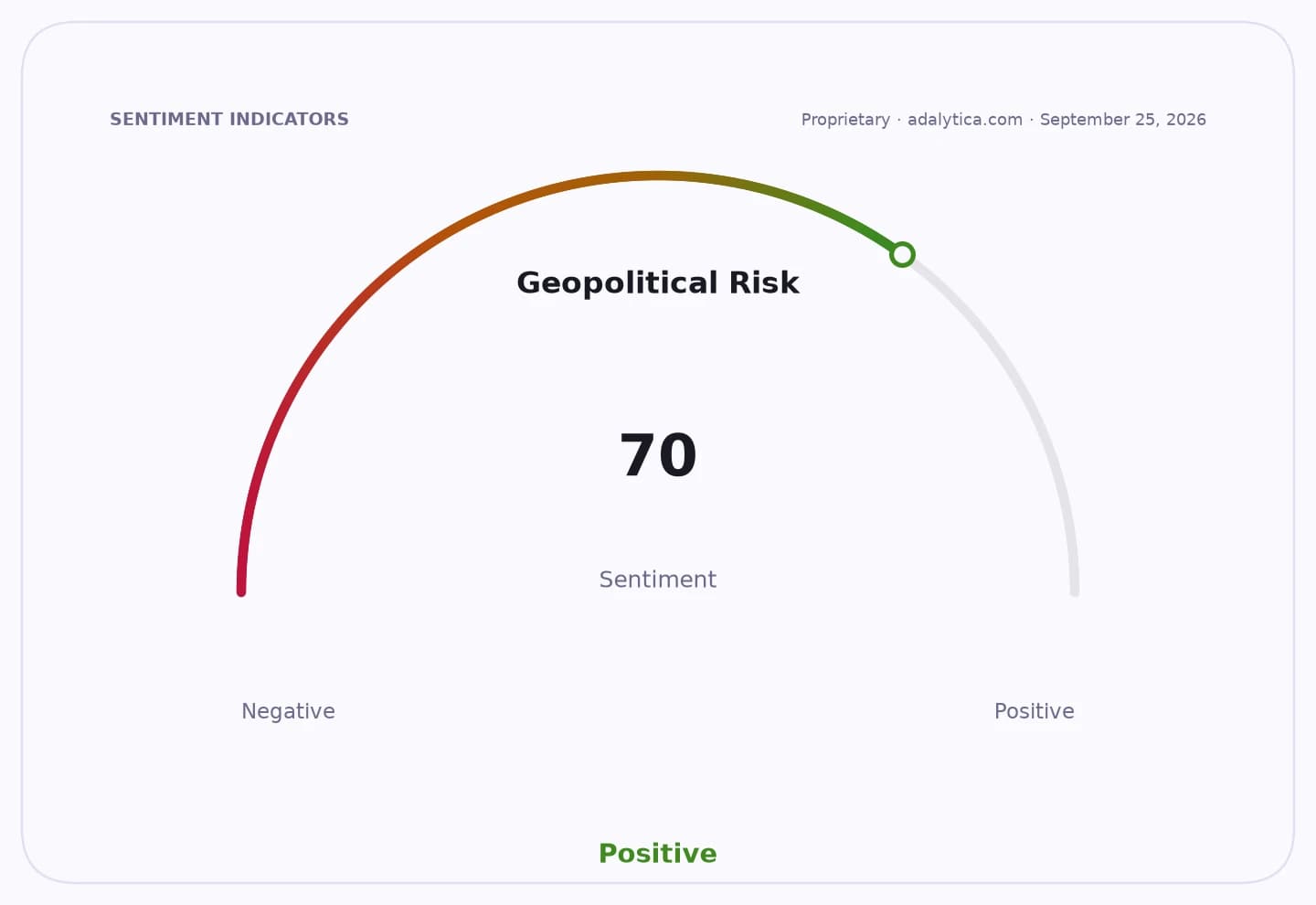
Sentiment IndicatorsⓘProprietary · adalytica.com · July 14, 2026
This is a snapshot — live sentiment, awareness and momentum for 130+ markets update continuously in the dashboard.Open AlphaPulse
That is a big deal for investors because the electrification of AI is already showing up in the numbers. U.S. industrial production is still inching higher, with the latest reading at 102.65 in May and a forecast around 103.05 for June, while 10-year Treasury yields hover near 4.56%. At the same time, West Texas Intermediate crude has dropped back to about $68.69 a barrel in the latest forecast, a reminder that not every energy input is being pulled higher at once. But the real story for long-term portfolios is the same one unfolding across the utility sector: demand is being reshaped by data processing, not just by homes and factories.
That helps explain why utilities have held up better than many investors expected. The Utilities Select Sector SPDR Fund, XLU, sits at 45.72, just above its 50-day moving average of 44.76 and 200-day average of 44.24, with RSI readings around 58 and a positive MACD. In plain English, the sector has regained momentum after an earlier pullback. NextEra Energy is trading near 88.38, also above both its 50-day and 200-day averages, while Duke Energy is around 126.86 and similarly supported by its trend lines. Those are not the charts of a sector being left behind; they are the charts of a market that is starting to appreciate the cash flow durability that comes from rising power demand.
The fundamental backdrop reinforces that view. SEC filings from peers including American Electric Power and Exelon point to higher demand from data processing load and a broader transformation of the electric industry. That matters because utilities are not just regulated bond proxies anymore. They are becoming infrastructure enablers for AI, cloud computing and industrial reshoring, with more rate base growth tied to transmission, generation and grid upgrades.
For investors, the key question is not whether AI will become more efficient. It is whether efficiency will unleash more consumption. Jevons paradox says it often does. If that plays out, the winners are not only chipmakers and software platforms, but also the regulated utilities and grid operators that can keep up with the load. The losers are investors who assume lower unit power use automatically means lower power demand.
That does not mean every utility stock is a buy at any price. Rates remain elevated, which can pressure valuation multiples, and utilities still face execution risk, regulatory scrutiny and capital intensity. But for long-term investors, the setup is constructive: if AI adoption keeps accelerating, electricity demand could prove far more resilient than the market once feared.
In a portfolio built for the next five to 10 years, that makes utilities worth watching closely, especially the names with regulated growth, visible capital plans and strong balance sheets.
| Entity | Gains | Losses |
|---|---|---|
| Utilities | ▲Higher electricity demand | ▼Mispriced low-growth assumptions |
| AI/cloud operators | ▲More compute capacity | ▼Higher power bills |
| Regulated grid builders | ▲More rate base investment | ▼Execution and capex pressure |
| Short-duration power bears | ▲Less room for demand decline | ▼Jevons paradox reversal of thesis |