An Australian arm of Jindal Steel is heading into court to fight a massive coal-related claim, a reminder that the value of a bid for Whyalla can be shaped as much by legal and supply-chain risk as by the steelmaking assets themselves.
Jindal Claim Adds Risk to Whyalla Bid
For investors, that matters because Whyalla is not just another industrial acquisition. It sits at the intersection of steel demand, raw-material security and capital intensity, and any bidder that inherits a large coal dispute could see the economics of the deal change fast. In heavy industry, the difference between a good long-term asset and a money pit often comes down to how much hidden liability comes with it.
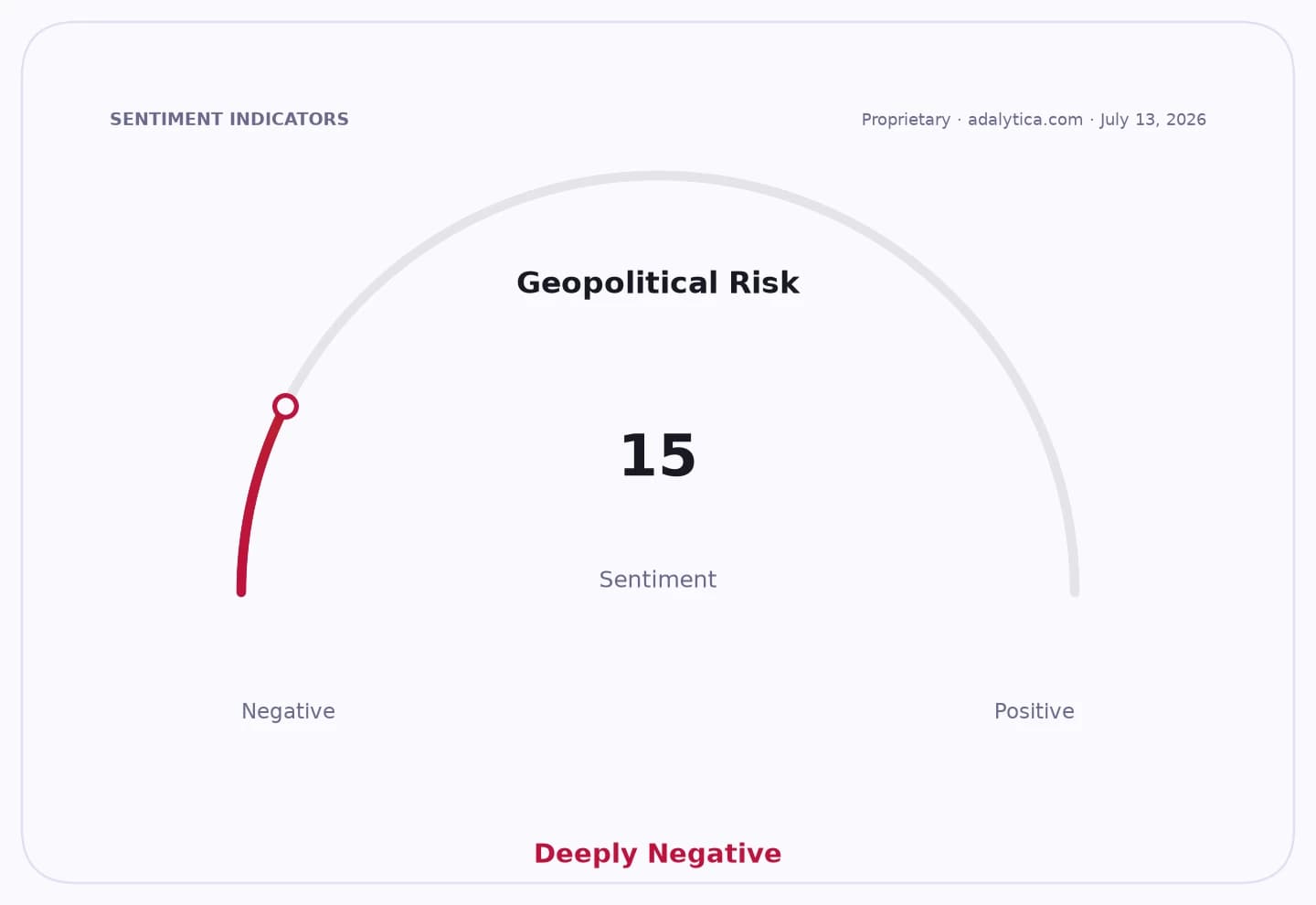
Sentiment IndicatorsⓘProprietary · adalytica.com · July 13, 2026
This is a snapshot — live sentiment, awareness and momentum for 130+ markets update continuously in the dashboard.Open AlphaPulse
That is why this case deserves attention even beyond the courtroom. Coal remains a key input for steelmaking, and disputes over supply, pricing or contract performance can ripple into cash flow, working capital and ultimately bid valuation. If a buyer is forced to spend time and money defending a claim while trying to close an acquisition, that can weaken negotiating leverage and make lenders more cautious. It can also push would-be owners to demand stronger protections, lower prices or more time to complete due diligence.
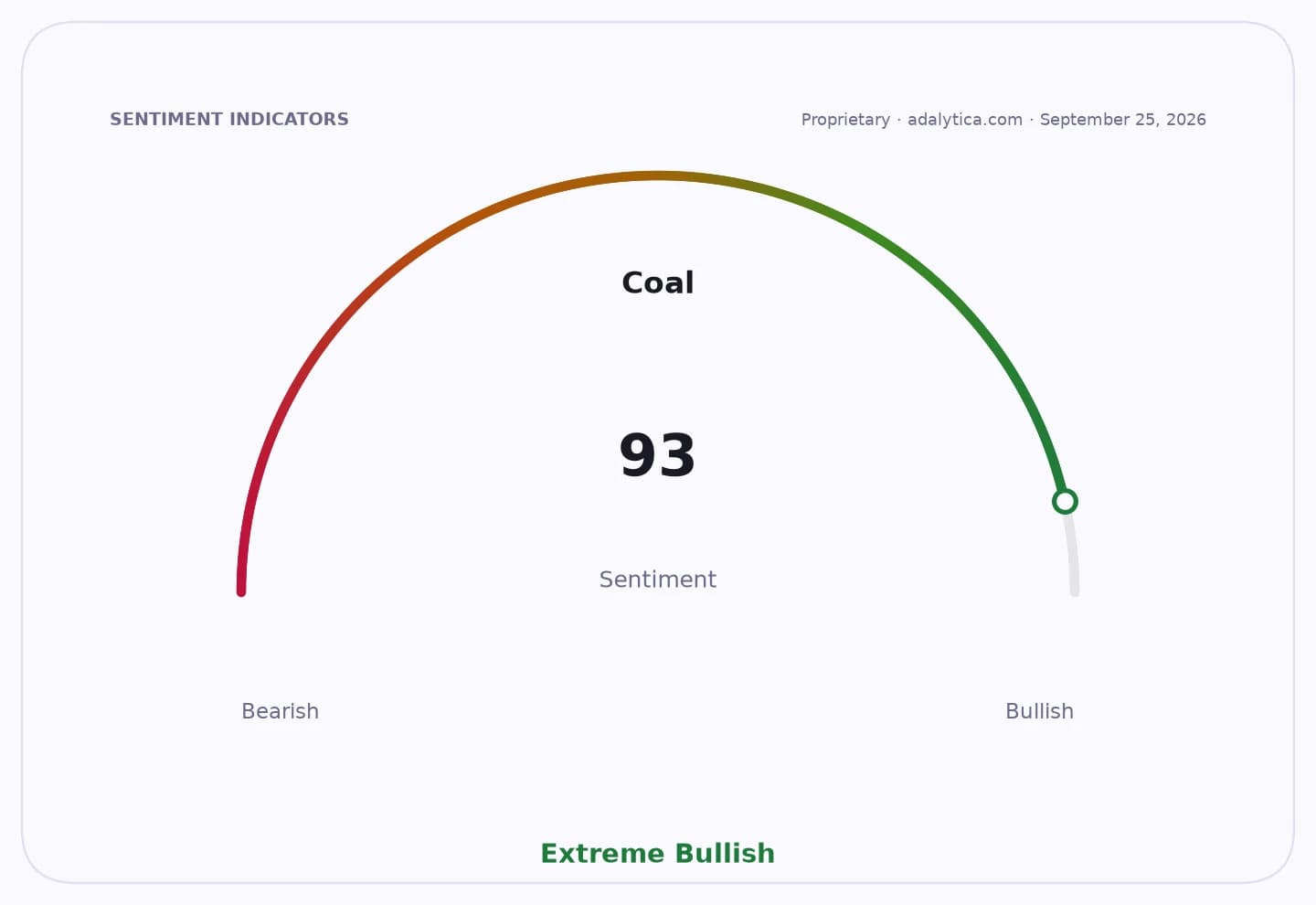
The broader market backdrop is mixed, which only raises the stakes. Iron ore majors BHP and Rio Tinto have both traded well above their 200-day moving averages over the past year, a sign the market still rewards scale and disciplined capital allocation in the resources complex even as their shares have cooled from earlier peaks. At the same time, coal sentiment as tracked by Adalytica’s Coal Fear & Greed Index has swung sharply higher, suggesting investors remain sensitive to any news that could tighten supply or threaten margins in the sector. That kind of volatility is exactly what turns a litigation headline into a valuation issue.
For Jindal, the central question is whether this is a one-off legal overhang or a sign that the bid for Whyalla carries more baggage than initially hoped. For the seller, it is a warning that bidder risk can quickly become transaction risk. And for long-term investors, it is another reminder that in old-economy assets, the most important question is not just what a company can produce, but what it may still owe.
This is the kind of development that can reshape a deal without changing the underlying industrial logic. Whyalla may still appeal to strategic buyers, but the claim could affect timing, financing and price — and those are the variables that decide whether a turnaround story becomes a durable investment or a costly distraction.
| Entity | Gains | Losses |
|---|---|---|
| Jindal Steel’s Australian arm | ▲Leverage to contest liability | ▼Legal cost and bid uncertainty |
| Whyalla seller | ▲Potentially higher scrutiny | ▼Slower sale process |
| Lenders and financiers | ▲Clearer due diligence focus | ▼Greater credit and deal risk |
| Rivals and wait-and-see bidders | ▲Chance to reprice entry | ▼If the asset gets more complicated |