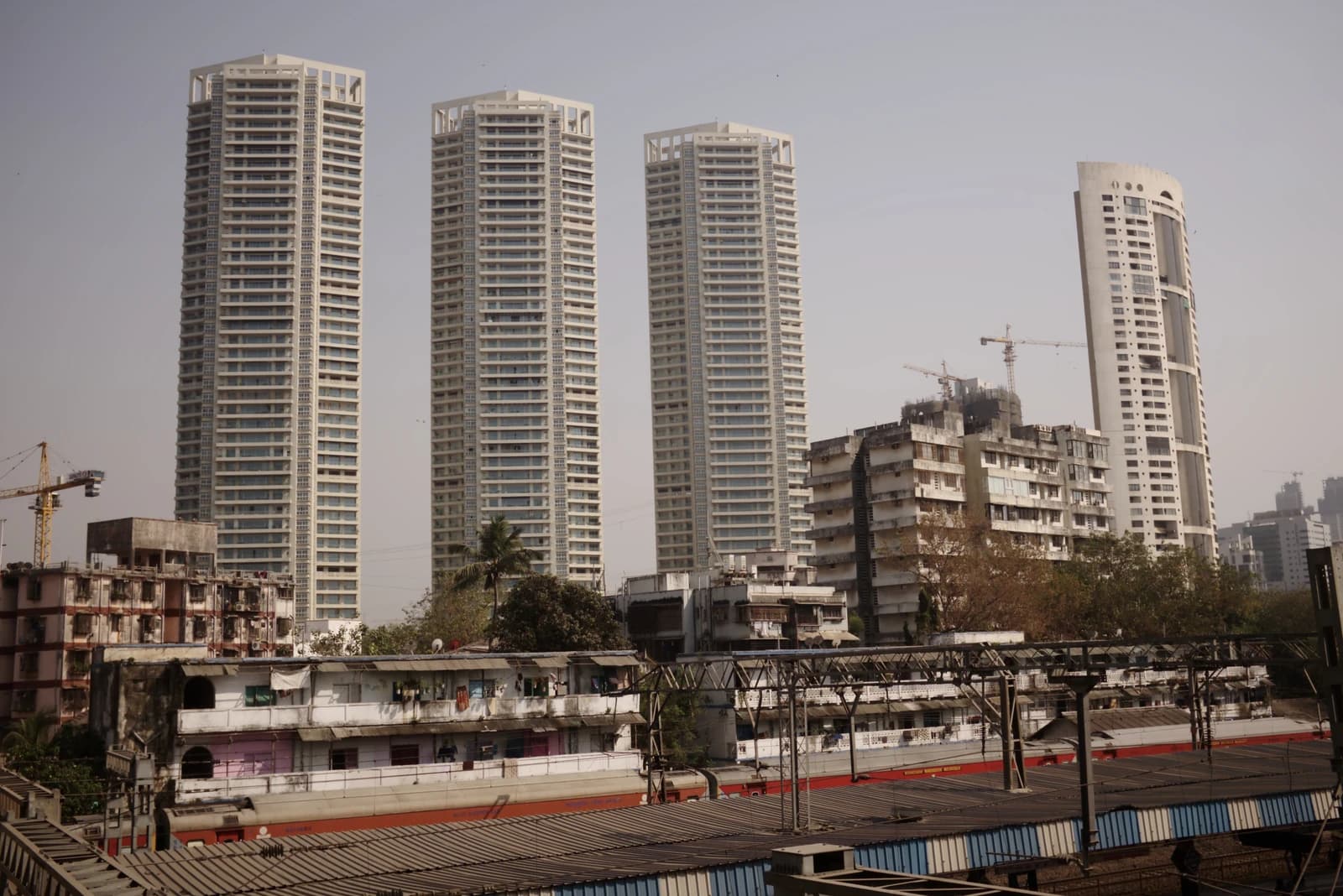
The Singhania family is recasting one of India’s oldest industrial land banks into a large-scale hospitality and urban development platform, a pivot that could unlock value from underused mill parcels while tapping demand for branded hotels, housing and mixed-use projects across northern and eastern India.
JK Urbanscapes plans ₹965 crore hospitality push
JK Urbanscapes, the renamed successor to JK Cotton, is planning ₹965 crore of hospitality investment and a real-estate pipeline with an estimated topline of ₹4,400 crore, according to company executives. The strategy centers on converting legacy land, including former textile and steel sites in Kanpur, Rishra and Kota, into higher-yielding assets rather than trying to revive the group’s old manufacturing model.
Sentiment Indicators
That matters economically because industrial land in India’s older cities has become one of the scarcest inputs for formal urban development. Redeveloping such sites can create value far beyond the original industrial use, particularly when the parcels already carry clear title and are located near existing transport, labor and demand centers. For local economies, the projects can bring hotels, housing, offices and retail into places that have long been constrained by fragmented ownership and a lack of institutional-grade development.
The most visible example is JK Vera in Kanpur, a roughly 50-acre phased redevelopment on Kamlapat Singhania Road that will include the city’s first Taj hotel, a 100-key Ginger hotel, residences, workspaces and high-street retail. JK Urbanscapes says the Taj-branded hotel and residences are expected by 2030. The group has also named former Taj executive Jayanta Das to lead its hospitality arm, underscoring that it wants to build with brand partners rather than operate as a purely land-owning developer.
The hospitality push is being widened through partnerships with Indian Hotels Company and Minor Hotels, with projects stretching from Bodh Gaya and Mussoorie to Darjeeling and Dehradun. In Darjeeling, the company is developing a 70-key Anantara retreat on the Tindharia tea estate, while a 41-key SeleQtions property at Kamla Castle in Mussoorie is targeted for 2029. For a promoter group with deep roots in manufacturing, the move shifts capital toward income-producing real estate that can generate recurring cash flow and potentially improve asset valuation over time.
Investors will read the plan as both an opportunity and an execution test. The bull case is straightforward: legacy land can be monetized at premium rates if approvals, design and branding line up, and the company’s partnerships with IHCL, Minor Hotels and Tata Projects’ TQ Cert Services provide execution discipline and market credibility. The bear case is that redevelopment in India is slow, capital intensive and approval-heavy, while hospitality remains sensitive to demand cycles and project delays. The long-dated nature of the pipeline means returns will arrive unevenly and likely later than the market would like.
The timing also fits a broader shift in Indian real estate, where branded hospitality and mixed-use projects are increasingly favored over pure speculative land plays. In that environment, the Singhanias are not just selling land; they are trying to turn a dormant industrial inheritance into a platform that can compound value across housing, hotels and urban infrastructure.
For investors, the key question is whether JK Urbanscapes can convert its title strength and prime locations into profitable, phased development without straining the balance sheet. If it can, the family’s old mill parcels could become a more durable source of value than the businesses that once occupied them.
| Entity | Gains | Losses |
|---|---|---|
| JK Urbanscapes / Singhania family | ▲Land-value monetization | ▼Legacy industrial identity |
| IHCL, Minor Hotels | ▲New branded hotel pipeline | ▼Limited direct control |
| Kanpur and other legacy cities | ▲Redevelopment, jobs, tourism | ▼Delayed project delivery risk |
| Competing landholders without clear titles | ▲Rising benchmark valuations | ▼Relative access to prime sites |