JOGMEC, Petronas Sign Emergency LNG Supply Pact
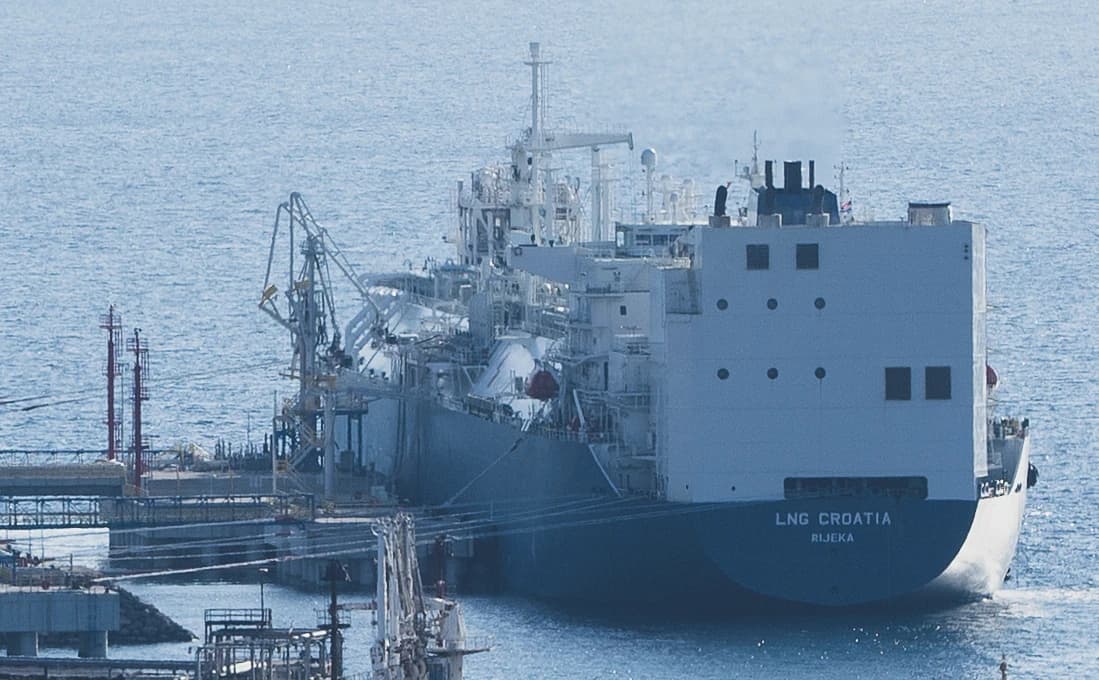
Japan’s state-backed JOGMEC and Malaysia’s Petronas have signed a framework agreement to secure emergency LNG supplies, a move that underscores how Asia’s importers are formalizing backup channels to reduce exposure to sudden disruptions in the global gas market.
The agreement matters because LNG has become a strategic commodity, not just a fuel. Japan remains one of the world’s biggest buyers, and even brief supply interruptions can ripple through power prices, industrial costs and winter heating security. By creating a mechanism under which Petronas can deliver cargoes to JOGMEC in an emergency, Tokyo is trying to harden its supply chain at a time when geopolitical risk, shipping bottlenecks and tight spot availability can still jolt prices.
For investors, the deal is less about immediate volumes than about balance-sheet resilience and contract security. It signals continued demand from a key long-term buyer, which is supportive for LNG exporters and project developers seeking visibility on future off-take. At the same time, it highlights the premium attached to flexible supply, reinforcing the value of portfolio players such as Petronas that can redirect cargoes when market conditions tighten.
The agreement was announced at a conference of LNG producers and consumers in Tokyo, where supply security has been a recurring theme as utilities and trading houses weigh how much spot-market exposure they can tolerate. Japan has spent years trying to diversify its energy mix, but LNG remains central to power generation and industrial use, making emergency procurement arrangements a practical hedge against disruptions from weather events, shipping delays or geopolitical shocks.
For Petronas, the framework strengthens its standing as a reliable supplier in Asia and deepens commercial ties with Japan, one of the region’s most disciplined LNG buyers. For JOGMEC and Japan’s energy ministry, it adds another layer of insurance in a market where energy security has become inseparable from economic security.
The key question for markets is whether this kind of bilateral safety net becomes a broader template across Asia. If it does, more LNG flows may be locked into resilience-focused arrangements rather than purely price-driven spot trade, which would favor established exporters and weaken the bargaining power of buyers exposed to short-term needs.
| Entity | Gains | Losses |
|---|---|---|
| JOGMEC / Japan | ▲Emergency supply security | ▼Less spot flexibility |
| Petronas | ▲Deeper Japan ties | ▼Commitments in a tight market |
| LNG exporters with spare capacity | ▲More contract visibility | ▼Higher competition for cargoes |
| Spot LNG buyers | ▲Backup precedent | ▼Potentially tighter supply options |