Jordan, Egypt Gas Talks Could Support Regional Supply
Jordan and Egypt’s talks on mechanisms to deepen their natural gas partnership matter because they point to a broader effort in the Middle East to lock in supply, transport and pricing arrangements at a time when gas markets remain highly sensitive to geopolitical and seasonal shocks.
The immediate significance is not the diplomacy itself but what it represents economically: an attempt by two energy-dependent states to reduce exposure to volatile spot markets and winter shortages by strengthening cross-border gas flows and commercial coordination. In a region where infrastructure, liquefaction capacity and pipeline access often determine bargaining power, even incremental cooperation can influence import costs, domestic energy bills and industrial competitiveness.

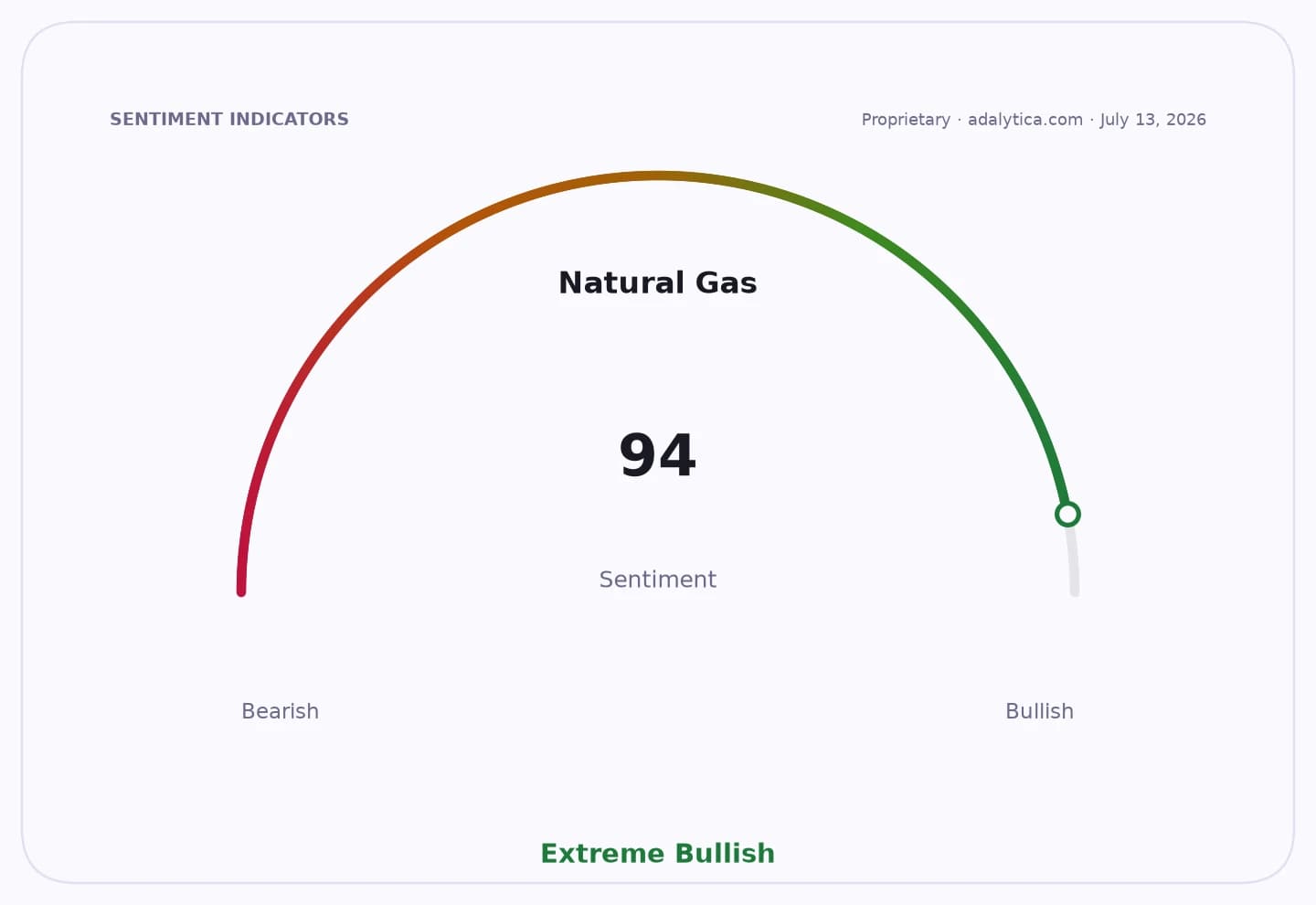
That matters for investors because natural gas is once again moving toward the center of policy and market attention. Adalytica’s Natural Gas Market Trade Signals show “Extreme Greed,” while the broader global stability gauge is in “Extreme Fear,” underscoring a market environment where gas demand, supply security and geopolitical risk are converging. In that backdrop, any arrangement that improves regional supply visibility is potentially supportive for energy infrastructure, exporters with spare capacity and utilities that can secure longer-term contracts.
The discussions also fit a wider pattern. Europe remains preoccupied with replenishing inventories before winter, with storage levels still below what many consider comfortable. At the same time, supply patterns are shifting, with Algeria emerging as Spain’s top gas supplier and governments from the US to India leaning more heavily on policy tools, strategic reserves and consumer-facing measures to manage costs. Jordan and Egypt are not operating in isolation; they are responding to the same global squeeze on reliable gas.
For Egypt, the strategic appeal is clear. The country has built itself into a regional gas hub, with LNG export and transit ambitions that depend on keeping domestic balance stable and export routes commercially attractive. For Jordan, which relies heavily on imported energy, a closer partnership with Egypt can help diversify supply and reduce vulnerability to price spikes. The bull case is that closer coordination could improve utilization of Egyptian infrastructure, support regional trading volumes and lower procurement risk. The bear case is that the talks remain mostly about frameworks rather than immediate molecules, leaving the market impact limited unless they produce binding volumes, pricing terms or transit guarantees.
The investor lens is straightforward: gas diplomacy can move cash flows when it turns into contracts. Midstream operators, LNG infrastructure owners and producers with export optionality stand to benefit if regional partnerships translate into firmer demand. Purely domestic buyers, by contrast, gain only if the arrangements help cap costs or reduce disruption. Energy markets will be watching whether Jordan and Egypt move beyond general partnership language to concrete mechanisms on pricing, delivery and storage ahead of the winter demand peak.
| Entity | Gains | Losses |
|---|---|---|
| Jordan | ▲More secure gas supply | ▼Spot-price exposure |
| Egypt | ▲Hub status and transit leverage | ▼Greater domestic balancing pressure |
| Gas exporters/infrastructure operators | ▲Potential contract demand | ▼Weak negotiating power if talks stall |
| Buyers without supply deals | ▲Little immediate relief | ▼Higher winter-cost risk |