JPMorgan, Bank of America, Goldman near highs on July 31
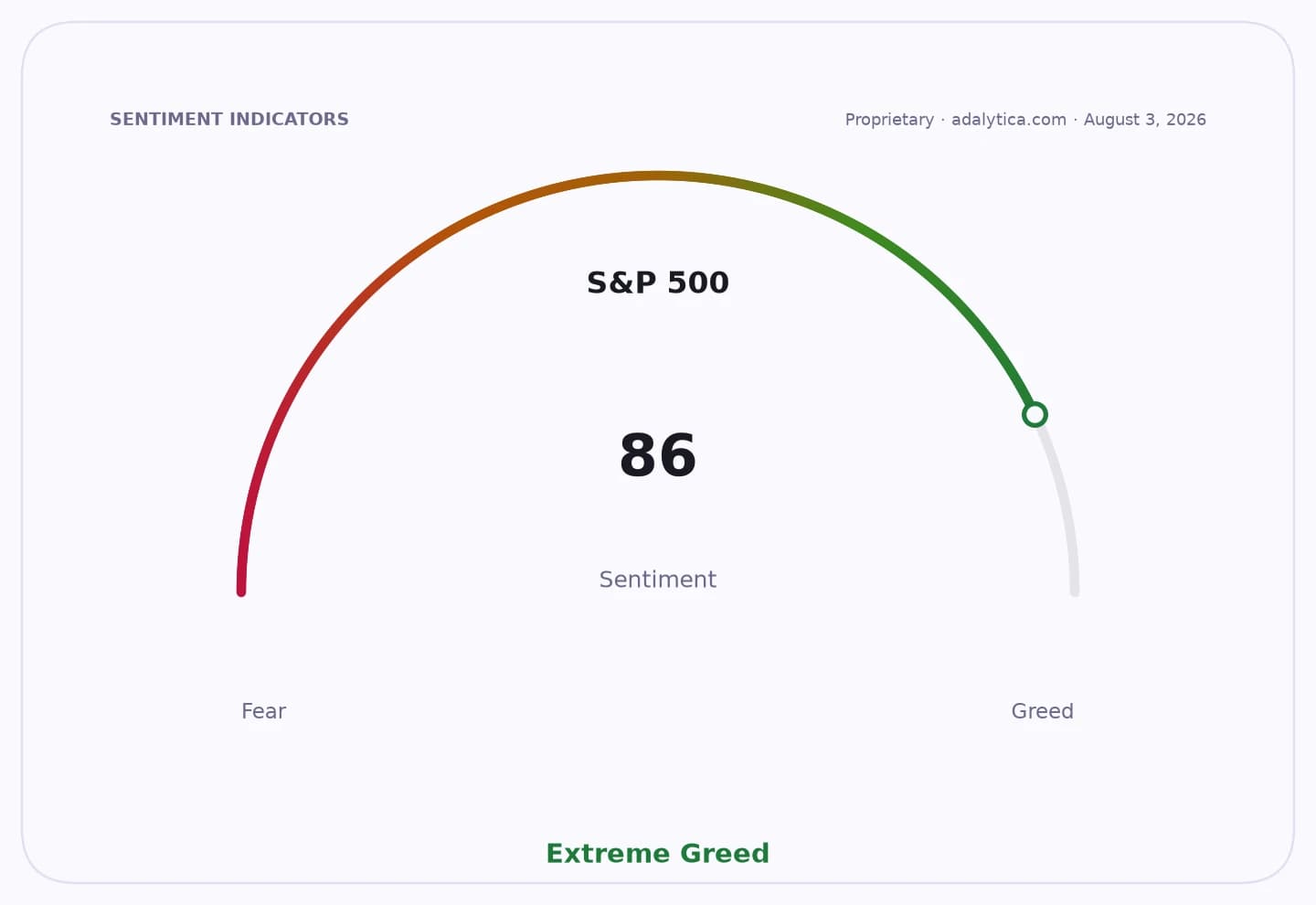
Debt markets are signaling that investors are still willing to extend trust to the biggest U.S. banks, even as broader household debt stress remains elevated.
That matters because bank funding confidence is the foundation of credit creation. When lenders can place debt cheaply and at scale, it supports balance-sheet growth, trading activity and capital returns. When trust erodes, funding costs rise first and systemic pressure can follow.
JPMorgan Chase, Bank of America and Goldman Sachs have all pushed higher over the past several months, with their shares comfortably above their 50-day and 200-day moving averages. JPMorgan closed at $351.79 on July 31, Bank of America at $61.95 and Goldman Sachs at $1,018.38. All three are trading near the upper end of their recent ranges, underscoring the market’s confidence in their capital strength and earnings power.
The move is notable because it comes against a more uneasy backdrop for consumer leverage. Adalytica’s household debt stress measure is at 100, while credit-card usage sentiment has fallen to 21, suggesting pressure is building beneath the surface of otherwise resilient markets. For investors, that split matters: the big banks are being rewarded for balance-sheet durability even as pockets of consumer distress can eventually feed through to delinquencies, provisions and slower loan growth.
Goldman’s climb has been the most dramatic, reflecting a powerful rebound in risk appetite and investment-banking expectations after the stock rose from below $800 last autumn to more than $1,000 in late July. JPMorgan, meanwhile, remains the clearest barometer of the sector’s quality premium, with the stock holding above both its 50-day and 200-day moving averages after a strong run. Bank of America has also recovered steadily, benefiting from the view that deposit franchises and interest income should remain solid even if the credit cycle softens.
Technical readings suggest the rally is still broadly intact, though some near-term fatigue is visible. JPMorgan’s RSI was above 50 at the end of July after touching overbought territory earlier in the year, while Goldman’s momentum has cooled from extreme readings even as the price remains elevated. Bank of America’s trend is steadier, with the shares holding above both major averages and volumes moderating after recent gains.
For investors, the key question is whether the market is discounting too little credit deterioration. The bull case is that large banks enter any slowdown with abundant capital, diversified funding and enough earnings power to absorb higher charge-offs. The bear case is that consumer stress, tighter lending standards and rising funding needs eventually compress returns, especially if debt markets stop rewarding balance-sheet expansion so generously.
The narrative is simple: trust still exists in the largest lenders, but it is being tested by the strains building in household debt. If that stress worsens, the banks’ current strength could become less a sign of safety and more a late-cycle warning.
| Entity | Gains | Losses |
|---|---|---|
| JPMorgan Chase | ▲Strong valuation support | ▼Credit-cycle slowdown risk |
| Bank of America | ▲Stable deposit franchise appeal | ▼Higher charge-off pressure |
| Goldman Sachs | ▲Trading and capital-markets optimism | ▼Momentum exhaustion |
| Households | ▲Debt access remains open | ▼Rising stress and delinquencies |