JPMorgan raises quarterly dividend to $1.65
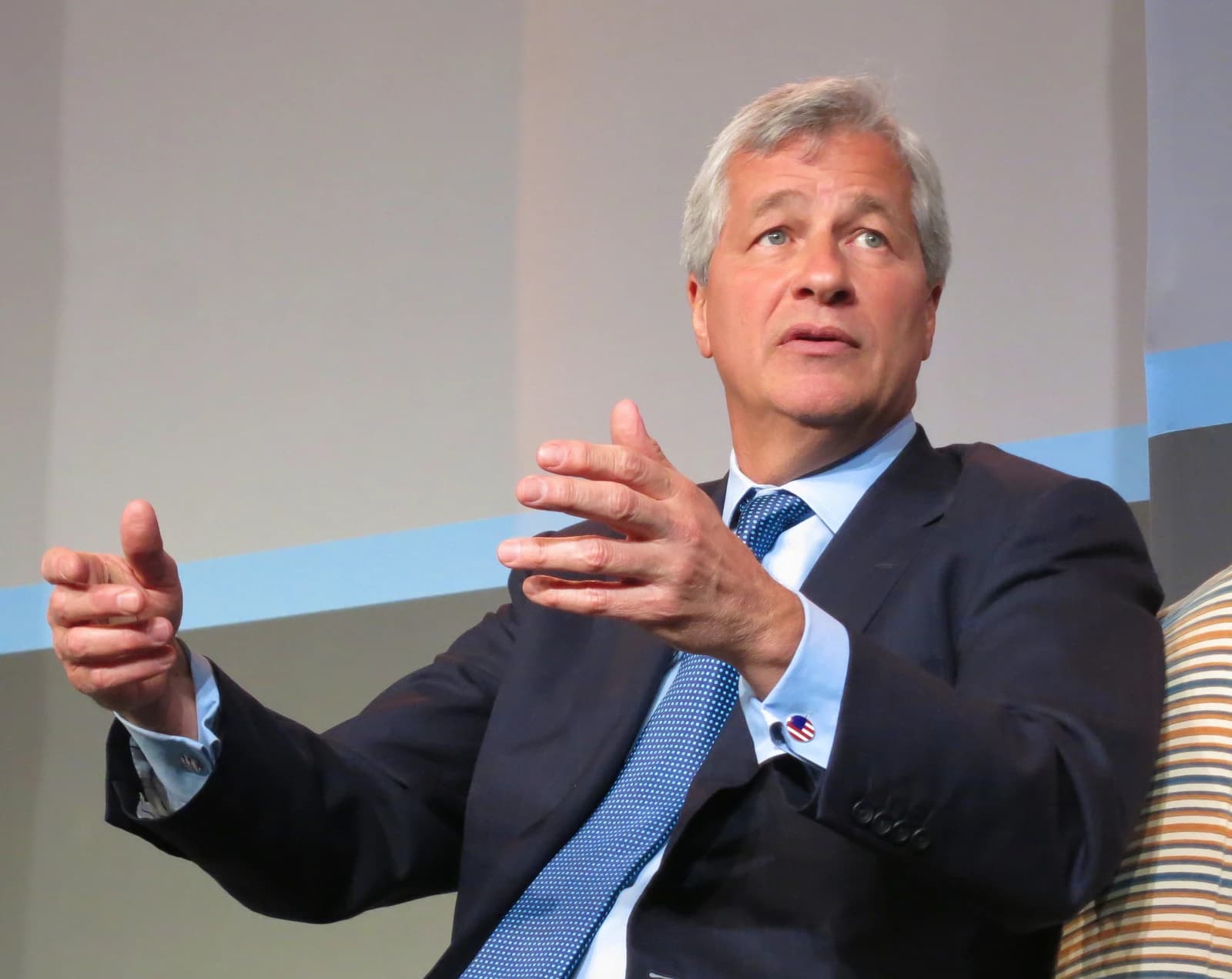
JPMorgan Chase is lifting its quarterly dividend to $1.65 a share, a 10% increase that underscores how much cash the biggest U.S. bank is still generating and how confident management appears about its capital position.
For long-term investors, that is the real story. Big banks do not raise dividends casually. They do it when earnings are strong enough, loan losses look manageable, and regulators are comfortable that excess capital can be sent back to shareholders without weakening the balance sheet. JPMorgan’s latest move tells investors the franchise remains highly profitable even after a long stretch of higher rates, a volatile market backdrop and heavy investment in technology and operations.
The payout will be made Oct. 31 to shareholders of record on Oct. 6. The increase also keeps JPMorgan in the familiar territory of being a bellwether for the financial sector: when the bank feels able to return more cash, it usually reflects confidence not just in its own business, but in the broader credit environment.
That matters economically because dividends are one of the clearest signals of sustainable earnings power. A company can boost profits for a quarter with timing or accounting quirks, but a higher recurring dividend implies management sees durability. For JPMorgan, that durability comes from its diversified earnings engine — consumer banking, investment banking, markets and asset management — which gives it more ways to absorb bumps in the economy than a more concentrated lender.
It also matters to investors because income and compounding remain powerful in a portfolio. JPMorgan has long been a core holding for people who want exposure to the financial system without taking on the kind of single-line business risk that comes with smaller banks. A 10% dividend increase is not just a payout tweak; it is a reminder that the bank can keep rewarding patient shareholders while still investing for growth.
The stock has also been trading like a winner, with shares near the mid-$350s and above both the 50-day and 200-day moving averages in recent sessions, a sign the market continues to give the bank credit for its earnings quality and balance-sheet strength. Technical readings have been more mixed lately, with momentum cooling from overbought levels, but that does not change the bigger picture for investors who care about years, not weeks.
The comparison with other large U.S. banks is telling. Bank of America has also been raising its dividend, and that speaks to a sector that is still generating enough capital to share with owners even after years of regulatory scrutiny and cyclical uncertainty. For investors, that usually points to a healthy backdrop for the big money-center banks, though it does not guarantee smooth sailing if credit costs rise or the economy weakens.
JPMorgan’s dividend hike is therefore best read as a confidence statement. The bank is saying its earnings base remains strong, its capital cushion remains ample and it can afford to hand more cash back to shareholders. For long-term investors, that combination is exactly what you want from a blue-chip financial stock: steady growth, disciplined capital returns and a business built to last. Worth watching, and worth holding for the long run.
| Entity | Gains | Losses |
|---|---|---|
| JPMorgan Chase shareholders | ▲Higher income | ▼None on the announcement |
| JPMorgan management | ▲Signals confidence | ▼Gives up more capital |
| Income investors | ▲Better yield and compounding | ▼Missed upside if they chased growth only |
| Smaller banks | ▲Dividend pressure to keep up | ▼Relative capital flexibility |