JPMorgan Chase’s disclosure that hackers targeted third-party vendors and may have accessed customer names and email addresses underscores a more important risk for Wall Street than a single breach: the banking system’s expanding dependence on outside technology partners is creating fresh attack surfaces that can put client data and reputational trust on the line even when core payment rails stay intact.
JPMorgan Vendor Breach Raises Third-Party Risk Concerns

The immediate economic impact appears limited because JPMorgan said the incident did not disrupt services and that its own systems and card networks were not compromised. But the episode matters because it hits at the operating model of modern finance, where banks, card networks and processors increasingly outsource marketing, communications and other functions to vendors that can become softer entry points for cybercriminals. That makes the cost of doing business higher, raises compliance burdens and keeps cybersecurity spending on a structural upward path across the sector.
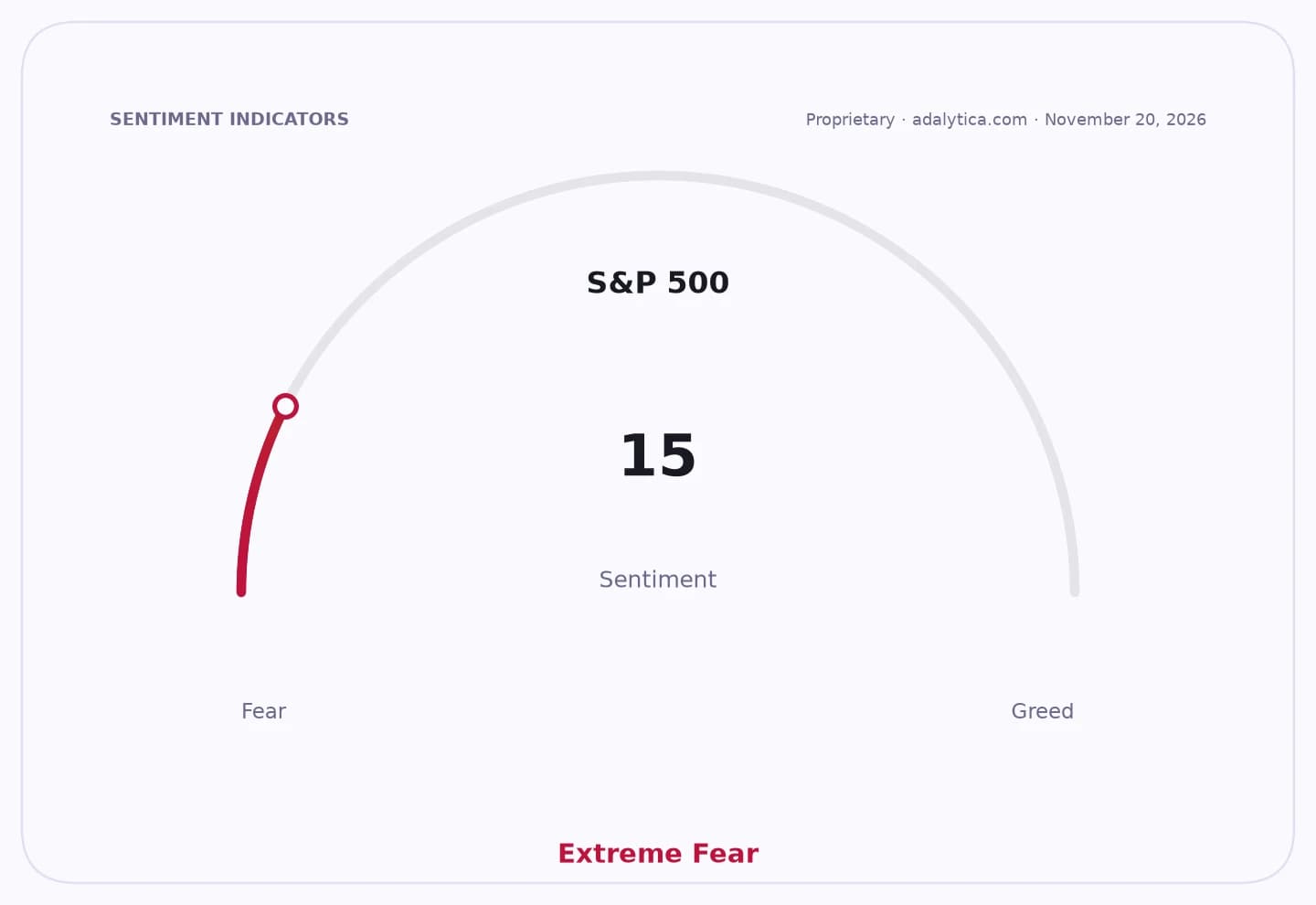
Sentiment Indicators

Fox News reported that a ransomware group claimed to have leaked data on about 16,000 of JPMorgan’s wealthiest customers, including email addresses and phone numbers tied to the bank’s Reserve card program, which is aimed at clients with more than $10 million in assets under management. JPMorgan said its investigation suggested attackers accessed certain marketing data held by vendors and may have obtained customer names and email addresses. Visa said the intrusion originated with a vendor in the Asia-Pacific region, while all three firms said core payment networks and card numbers were not compromised.
That distinction is critical for investors. A breach that reaches customer contact data without touching payment infrastructure is not a systemic payments event, but it is still a margin and reputation issue for firms that sell trust as much as transactions. JPMorgan, Visa and Mastercard are all exposed to a broader trend in which cyber risk is migrating from the balance sheet to the vendor ecosystem. The market should expect more spending on monitoring, vendor vetting and incident response, as well as tighter scrutiny from regulators such as the Office of the Comptroller of the Currency, which was already asking questions after JPMorgan’s separate transaction-processing outage earlier in the week.
S&P 500
The bigger narrative is that financial institutions are increasingly being judged not only on how well they defend their own networks, but on how well they police the digital perimeter around them. That favors the large incumbents that can absorb the cost of better controls and still keep growing, while weaker vendors and smaller processors face a rising bar for surviving in the chain.
For investors, the read-through is straightforward: cybersecurity remains a secular investment theme inside financials, and the companies best positioned are the ones selling the tools, infrastructure and compliance layers that make trusted commerce possible. JPMorgan may contain the damage quickly, but the market should treat this as another reminder that third-party risk is becoming one of the most durable expense lines in finance.
| Entity | Gains | Losses |
|---|---|---|
| Cybersecurity vendors | ▲Higher demand for monitoring and defense | ▼None material |
| JPMorgan Chase | ▲Reinforces need for tighter controls | ▼Reputation and compliance costs |
| Visa and Mastercard | ▲More pressure for vendor oversight | ▼Trust hit from ecosystem breaches |
| Smaller third-party providers | ▲More contract demand if security improves | ▼Greater scrutiny and liability |