JPYC Restores Ethereum Stablecoin Reservations
JPYC has restored stablecoin issuance reservations on Ethereum, but Polygon remains down, underscoring how network reliability is now a direct constraint on stablecoin growth and payment adoption.
The immediate significance is less about one issuer’s website status than about where stablecoin demand can actually be routed. Ethereum is handling the reactivation, while Polygon’s continued outage leaves users and counterparties with one fewer low-fee rail just as stablecoin infrastructure is being pushed closer to mainstream finance.
For investors, that split matters because stablecoin usage is increasingly tied to the health of the underlying blockchain rails. JPYC’s ability to reopen reservations on Ethereum points to continued demand for on-chain issuance, while the unresolved Polygon issue highlights operational and reputational risk for chains competing to host payments, remittances and tokenized cash balances.
The backdrop is a market still wrestling with regulation. In Washington, US banking groups are pressing the Senate to tighten stablecoin reward rules ahead of the CLARITY Act vote, and tribal gaming representatives are warning that prediction-market language could complicate the bill. The legislation’s odds of passage have fallen to 16%, leaving issuers and infrastructure providers without a clear federal framework.
That uncertainty has not stopped adoption efforts. Coinbase has been building stablecoin payment rails with Moov for community banks and credit unions, while Tether is expanding into private credit and Circle has launched its Arc blockchain. The common thread is that stablecoins are moving from trading-tool status toward payments infrastructure, which makes uptime, compliance and network choice more important to revenue and liquidity.
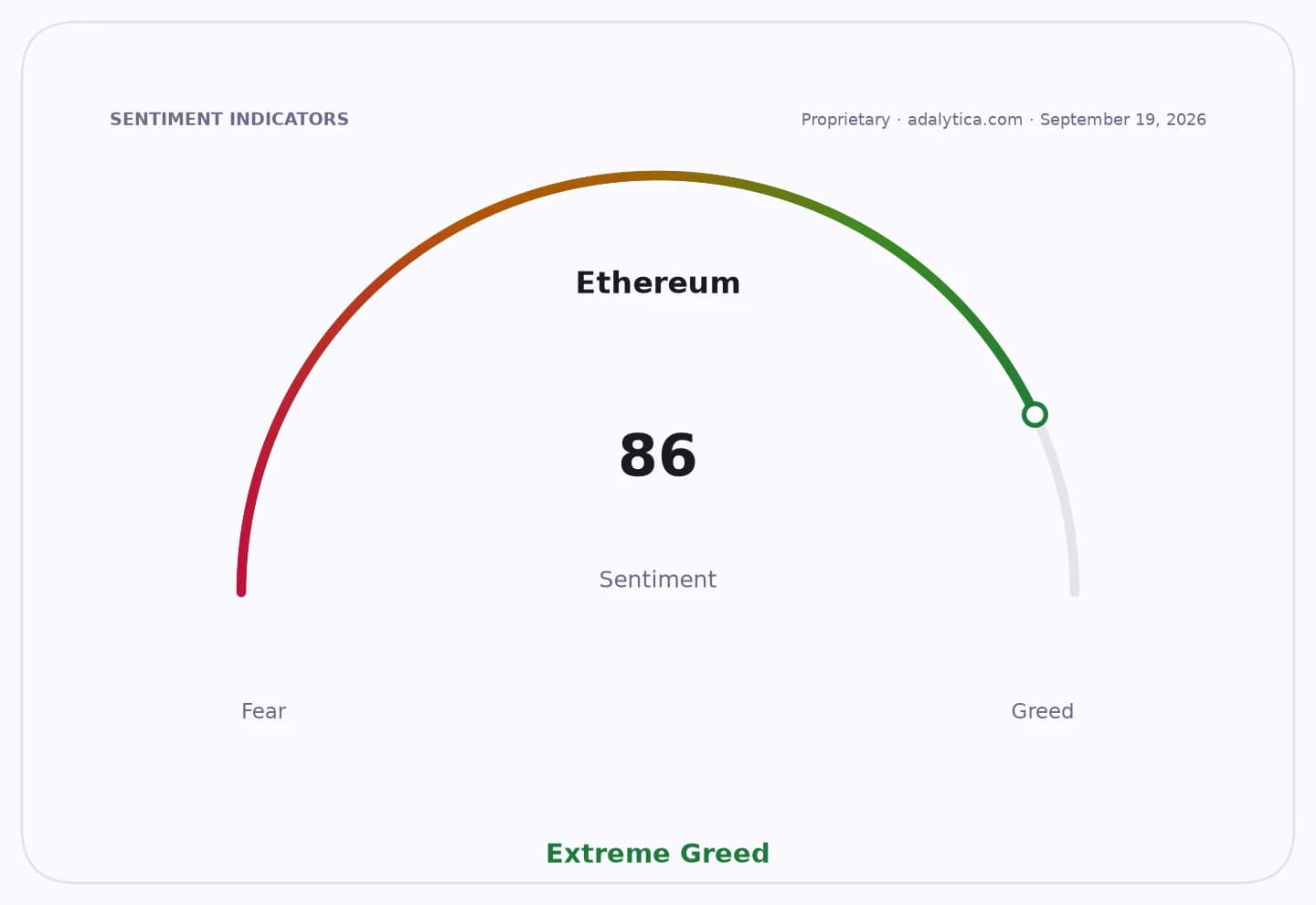
Ethereum’s price action also suggests the market is not treating the issue as isolated. Ether rose to $2,636.57 on Sept. 19, with the 50-day moving average above the 200-day moving average and RSI readings near 62, while Adalytica’s Ethereum Fear & Greed Index stayed at 86, or extreme greed. That backdrop indicates the market is still pricing in stronger activity around the Ethereum ecosystem even as traders remain alert to execution risk elsewhere.
The key question now is whether JPYC’s Ethereum reservation recovery translates into sustained issuance and whether Polygon can restore service without losing share to rival networks. If the outage persists, investors may increasingly favor chains and issuers that can prove both regulatory readiness and operational resilience.
| Entity | Gains | Losses |
|---|---|---|
| JPYC | ▲Resumed Ethereum reservations | ▼Polygon-based issuance continuity |
| Ethereum | ▲More stablecoin activity | ▼None material |
| Polygon | ▲— | ▼User confidence and flow |
| Stablecoin issuers | ▲Clearer demand on Ethereum | ▼Multi-chain reliability risk |