Justice Department widens beef price probe
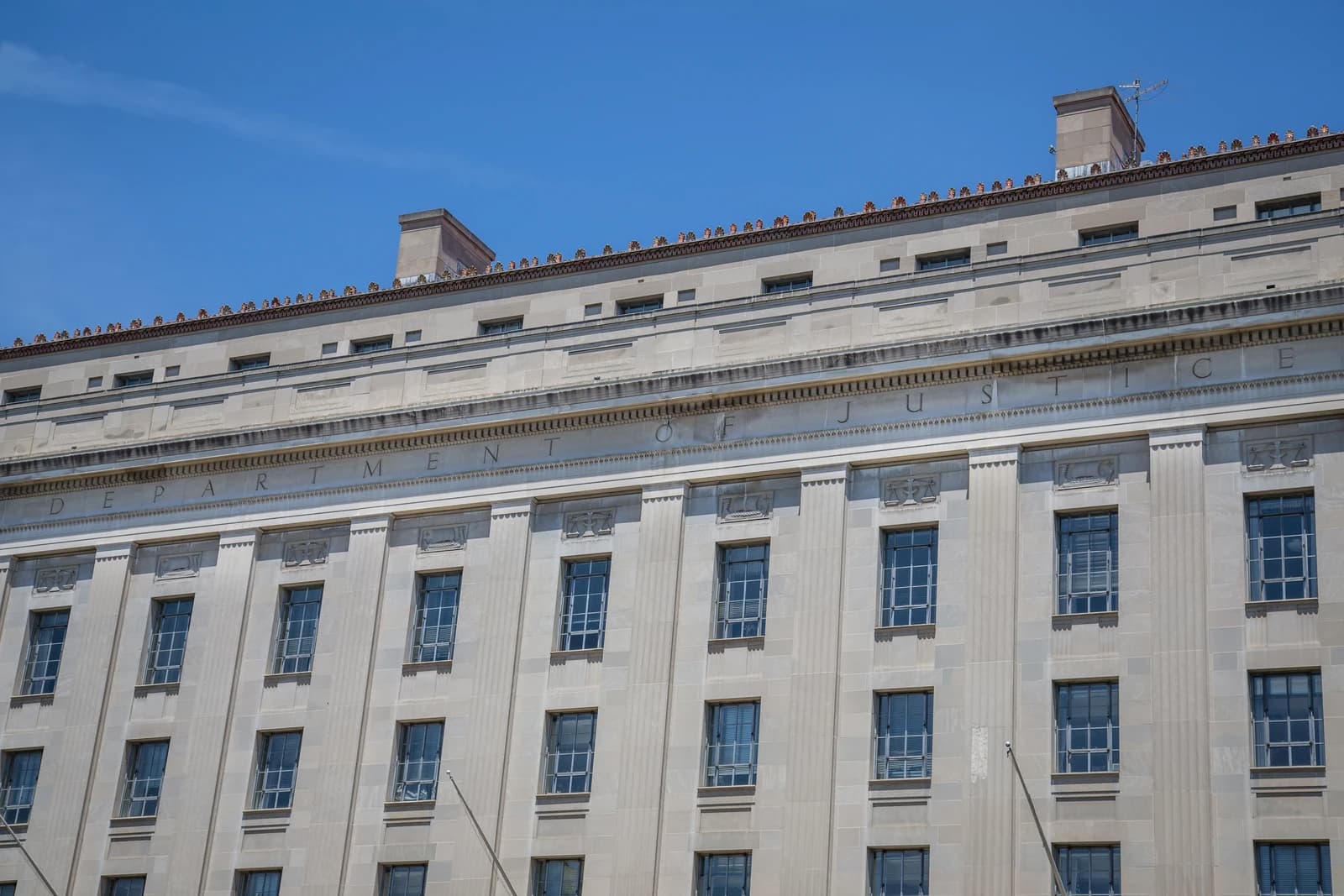
The U.S. Justice Department has widened its investigation into beef prices to eight major grocery retailers, putting fresh pressure on a food chain already wrestling with record consumer costs, tariff policy shifts and tighter meat supply.
The probe matters because beef is one of the most visible and politically sensitive grocery items, and any sign of antitrust scrutiny could force retailers and suppliers to defend pricing decisions just as Washington is trying to show it can bring down food inflation. President Trump’s move to suspend beef tariffs for 90 days underscores how seriously the administration is taking the price spike, but it also highlights the limits of trade policy in a market where domestic cattle supplies remain tight.
For investors, the investigation raises a new regulatory overhang for grocers and mass merchants that sell large volumes of meat, including Kroger, Walmart and Target. Shares in the sector have already reflected a sharp reset in consumer and grocery spending patterns, with Walmart and Target trading well below their highs after a volatile year, while Kroger has been more stable but still subject to margin pressure tied to supermarket fuel, food deflation and pricing competition.
The broader market signal is that beef inflation is no longer just a supply-chain story. It has become a policy issue touching antitrust, trade and agriculture, with ranchers warning that imported beef and tariff relief could squeeze domestic producers while consumers want faster price relief at the checkout. Adalytica’s Food and Grocery Spending Sentiment shows greed at 78, suggesting firms still have pricing power, even as consumer spending sentiment sits at neutral 52, a mix that points to an uneasy balance between resilient demand and affordability stress.
The key question now is whether the DOJ probe remains a narrow pricing review or broadens into a more serious sector-wide challenge. Either way, grocers face a higher-risk backdrop heading into the next round of earnings and any further White House steps on food costs.
| Entity | Gains | Losses |
|---|---|---|
| U.S. consumers | ▲Potential beef price relief | ▼Uncertain, slower savings |
| Grocers and retailers | ▲Possible demand boost if prices ease | ▼DOJ scrutiny and margin risk |
| U.S. ranchers | ▲Tariff protection, less import pressure | ▼Lower leverage if imports rise |
| Beef importers | ▲More access if tariffs stay suspended | ▼Policy uncertainty |