Kansas City Fed's Schmid says inflation is above 3%
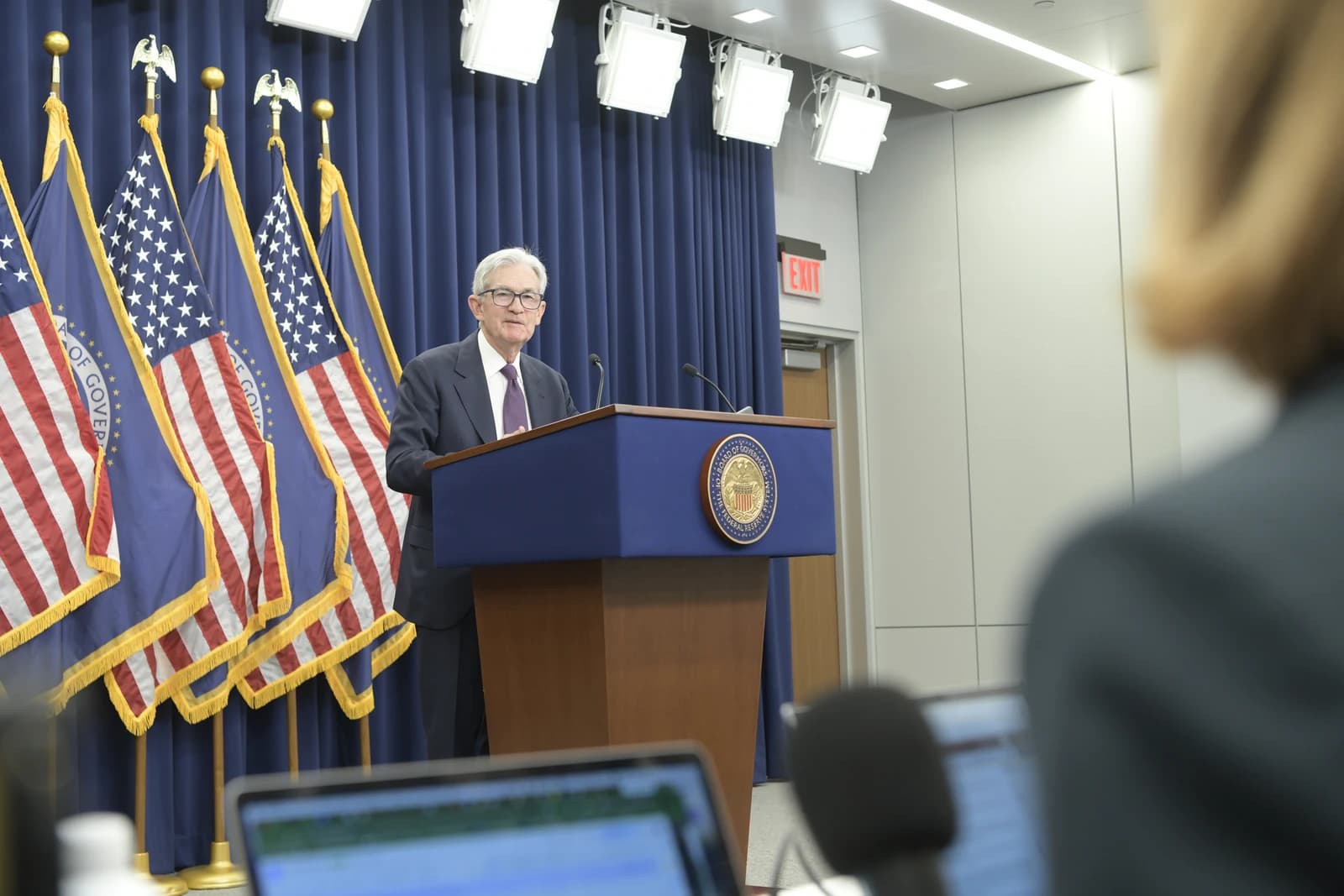
Kansas City Fed President Jeff Schmid said recent data suggest inflation is still running above 3%, reinforcing the case for the Federal Reserve to keep pressure on prices even as the broader economy holds up.
Schmid’s comments matter because they show how far the policy debate remains from declaring victory over inflation. He backed the latest rate increase and framed it as another step toward the Fed’s 2% target, arguing that the problem is not limited to energy but is broad-based across goods and services. That makes his message more hawkish than a simple reaction to one hot reading: it implies underlying price pressures are still persistent enough to justify restrictive policy.
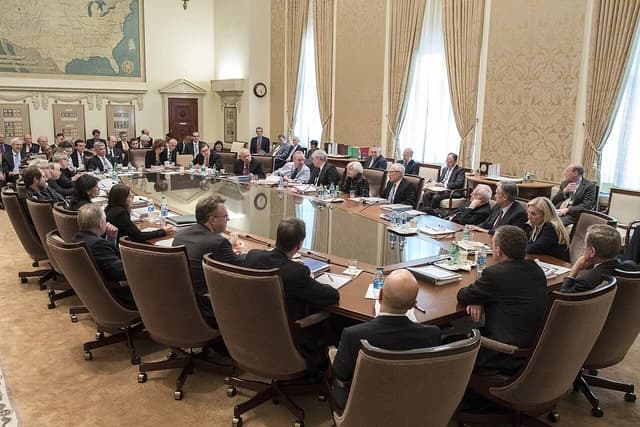
For markets, that matters because the bar for near-term easing stays high if more policymakers adopt the same view. Schmid’s read on inflation above 3% suggests the Fed is still more focused on proving disinflation is durable than on responding to slower growth. He also said the economy outside inflation is performing well, which removes the usual argument that tighter policy is being forced by recession risk. In other words, he sees no urgent need to soften policy to support demand.
The remarks fit with a backdrop in which inflation has remained sticky. Recent price data have continued to show broad pressure rather than a clean retreat toward target, and bond investors have had to absorb the risk that the policy rate stays higher for longer. Long-duration Treasuries have reflected that tension, with the iShares 20+ Year Treasury Bond ETF, TLT, trading below both its 50-day and 200-day moving averages, a sign that the market has not fully embraced a near-term dovish pivot. Cyclical shares have also shown strain, with the small-cap Russell 2000 ETF, IWM, and consumer discretionary stocks, XLY, both under pressure in recent sessions, consistent with investors pricing a less supportive rate backdrop.
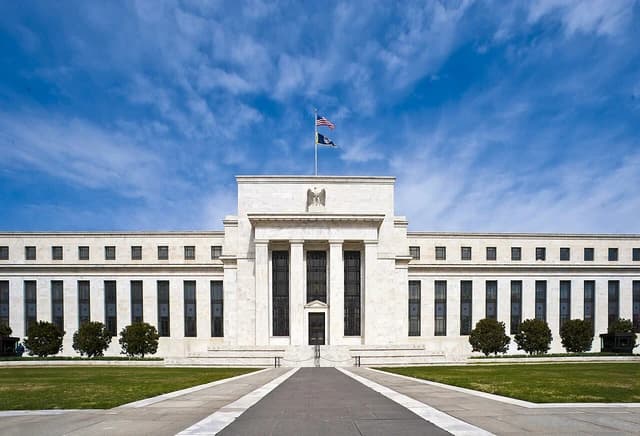
Schmid’s comment that higher yields reflect economic growth, AI-related capital demand and geopolitical challenges also links inflation policy to a broader macro shift: the Fed is not tightening into a weak economy, but into one where capital demand and nominal growth may be keeping financial conditions firmer than policymakers would like. That helps explain why some officials are still prepared to defend higher rates even after significant progress on inflation from the peaks of the last cycle.
For investors, the key takeaway is that every inflation print and every Fed speech now has outsized importance for the path of rates, the dollar and duration-sensitive assets. If upcoming data confirm inflation is indeed tracking above 3%, markets may have to reprice the odds of prolonged restraint. If not, Schmid’s stance may prove a marker of internal Fed caution rather than the start of a wider policy shift.
| Entity | Gains | Losses |
|---|---|---|
| Fed hawks | ▲Stronger case to keep rates high | ▼Pressure to pivot early |
| Treasury bears | ▲Support for higher yields | ▼Duration-price upside |
| TLT holders | ▲None from hawkish guidance | ▼Falling bond prices |
| Growth and small-cap stocks | ▲None from restrictive policy | ▼Higher discount rates |