Kazakhstan Uses AI to Verify Pension Documents
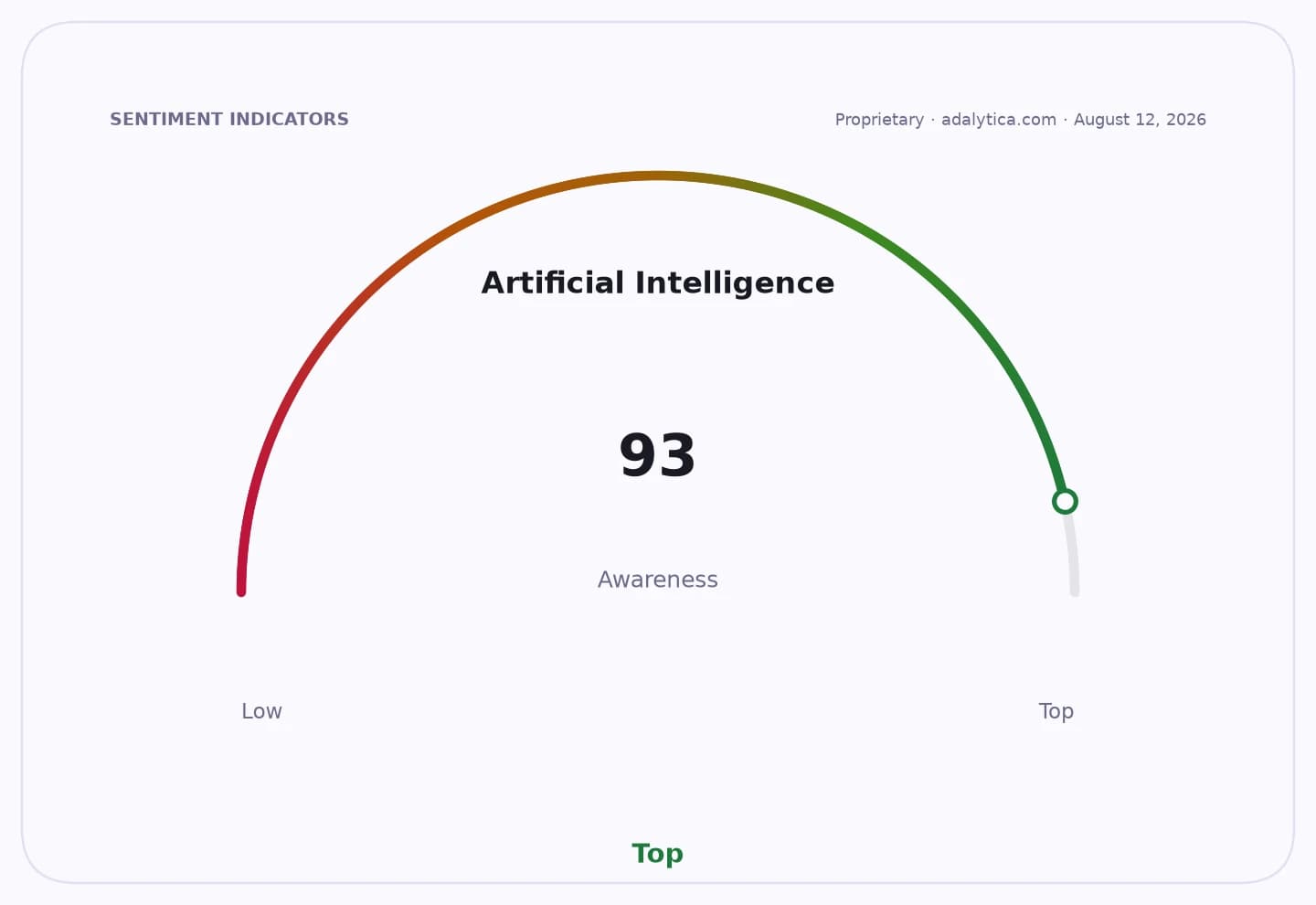
Kazakhstan is moving to use artificial intelligence to verify documents for future pensioners, a step that could speed benefit processing, cut administrative costs and reduce errors in a system where delays and paperwork can carry real fiscal and political consequences.
The shift matters because pension administration is one of the most sensitive parts of public finance: even small improvements in verification can help governments control leakage, lower backlogs and improve compliance as populations age and entitlement budgets grow. For retirees, faster document checks mean quicker access to income that is often essential; for the state, automation offers a way to tighten controls without expanding bureaucracy.
The move also fits a broader pattern of governments adopting AI for routine but high-volume tasks, from tax collection to licensing and social services. In theory, that can free public servants for more complex cases and make benefit systems more predictable. In practice, it also raises questions about data quality, appeals processes and whether automated reviews may incorrectly reject citizens with incomplete records or non-standard employment histories.
For investors, the immediate market impact is limited, but the policy direction is relevant. It adds to evidence that AI is moving beyond consumer software and enterprise productivity into public-sector workflows, a trend that could support vendors of verification, cloud and identity-management tools. Microsoft, which is already being valued heavily on AI growth, is part of the broader ecosystem benefiting from that adoption wave, even as its own shares have run sharply higher and technical indicators show an overextended move in recent sessions.
The longer-term narrative is that AI is becoming infrastructure for government as much as for business. That may improve efficiency and transparency if deployed carefully, but it also shifts the burden onto regulators and public institutions to prove the systems are accurate, auditable and fair. Investors will be watching whether such projects scale into broader procurement budgets or remain isolated pilots.
| Entity | Gains | Losses |
|---|---|---|
| Kazakhstan government | ▲Faster processing | ▼Higher implementation risk |
| Future pensioners | ▲Quicker approvals | ▼Possible automated errors |
| AI vendors | ▲More public-sector demand | ▼Scrutiny over accuracy |
| Traditional back-office staff | ▲Less routine workload | ▼Fewer manual roles |