President Kassym-Jomart Tokayev has sharpened his anti-corruption message by calling the theft of state funds “the worst conspiracy against the country,” a warning that matters because public money is the backbone of Kazakhstan’s development spending and investor confidence.
Kazakhstan Anti-Corruption Drive and Public Spending
The message lands at a time when governments across the region are under pressure to prove that infrastructure budgets, procurement contracts and other fiscal resources are being protected from fraud and abuse. For investors, the issue is not abstract: corruption raises project costs, weakens returns on state-led investment and can slow the delivery of transport, energy and industrial programmes that underpin growth.
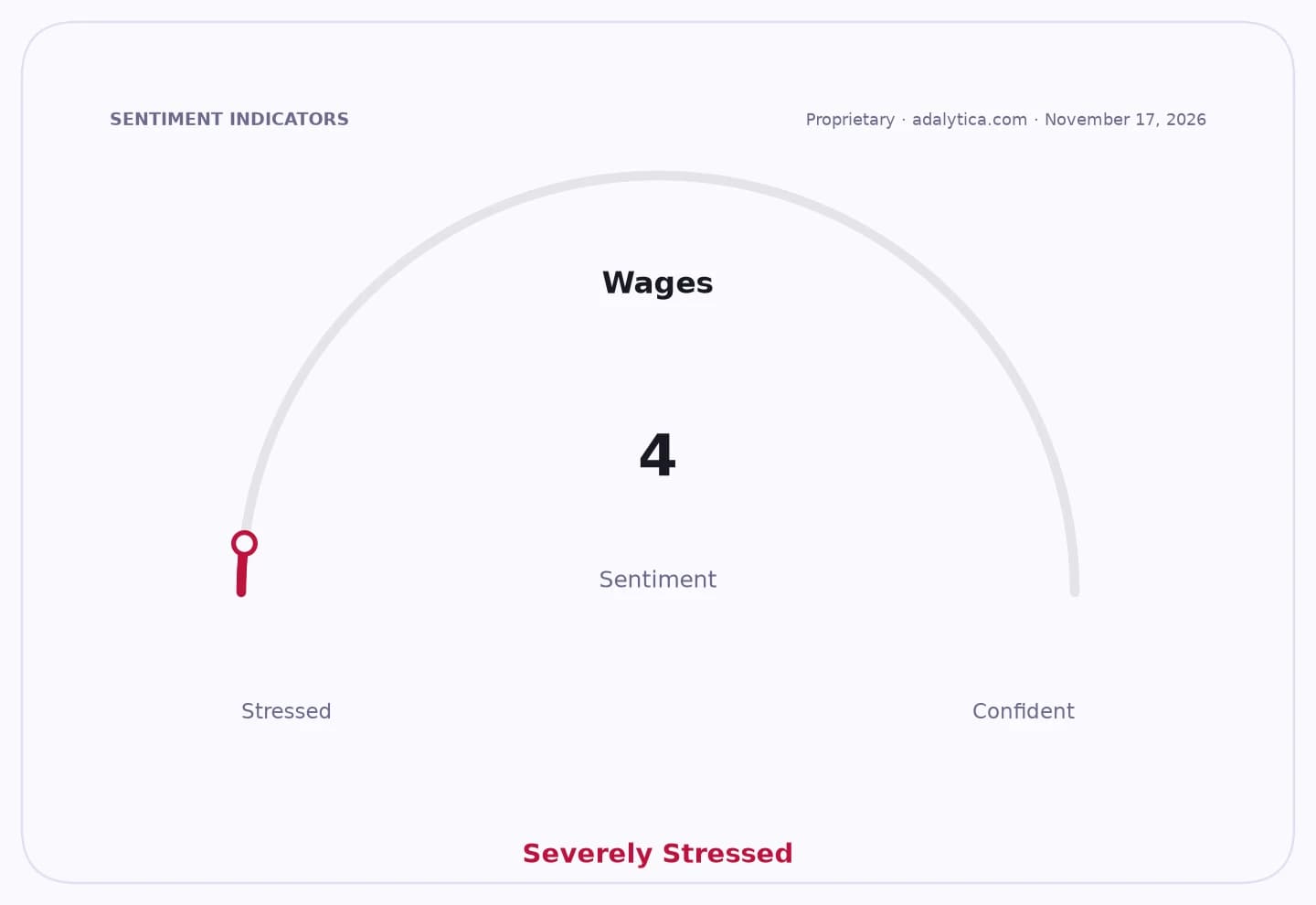
Sentiment Indicators
Tokayev said there can be no excuse for misconduct, regardless of rank, education or past achievements, and stressed that the rule of law applies equally to everyone. That framing suggests a broader campaign to reinforce discipline inside the state apparatus, especially among officials responsible for allocating and overseeing public funds.
The economic significance is straightforward. Every tenge diverted through graft is a tenge not spent on roads, utilities or social services, while poor oversight can inflate the cost of major projects and undermine fiscal efficiency. Kazakhstan, which relies heavily on state investment to support diversification and long-term growth, needs credible controls if it is to keep borrowing costs contained and attract private capital into public-private partnerships.
The investor angle is equally clear. Stronger enforcement can be positive for sovereign and quasi-sovereign credit quality, infrastructure contractors with compliant governance standards, and foreign investors looking for a more predictable operating environment. But a tougher anti-corruption drive can also expose legacy problems, delay project approvals and trigger investigations that weigh on some contractors or officials.
In broader terms, Tokayev is tying his “Just Kazakhstan” agenda to governance reform rather than rhetoric alone. The real test will be whether the campaign produces tighter procurement controls, faster prosecutions and fewer leakages in public spending, especially in capital-intensive sectors where the state remains the dominant client.
| Entity | Gains | Losses |
|---|---|---|
| Kazakh taxpayers | ▲Better protection of public funds | ▼Less room for leakages |
| Clean contractors | ▲Fairer bidding environment | ▼Fewer irregular wins |
| Corrupt officials | ▲None | ▼Higher legal and political risk |
| State investment programme | ▲Greater efficiency and credibility | ▼Slower rollout if probes deepen |