Kazakhstan and China Sign Currency Swap Agreement
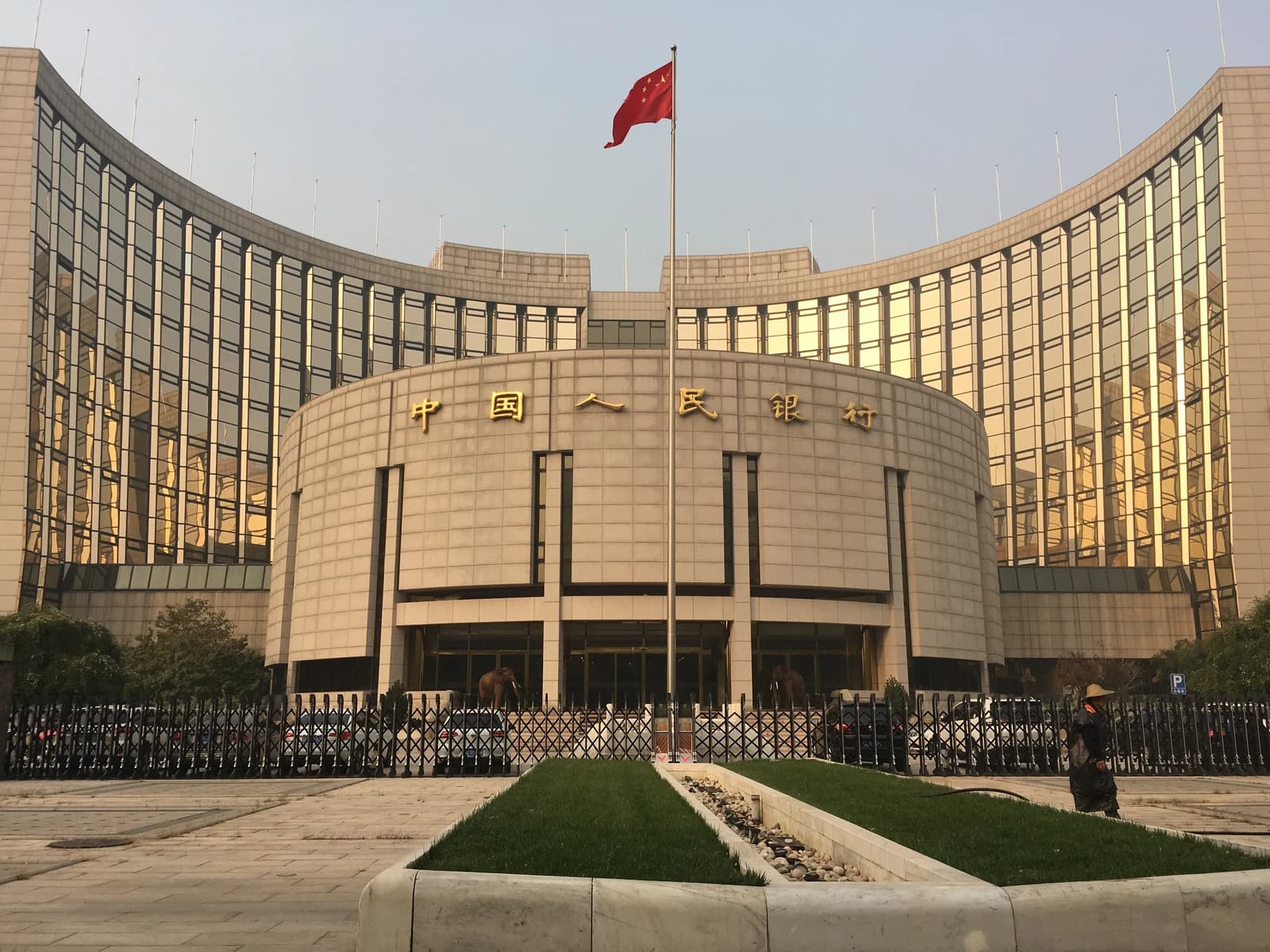
Kazakhstan and China have signed a new currency swap agreement, a move that deepens Beijing’s push to settle more trade outside the dollar system and gives Kazakhstan another buffer against funding stress and exchange-rate volatility.
For investors, the significance is bigger than a bilateral headline. Currency swaps are the plumbing of a slower, more regional financial order: they help central banks supply liquidity in times of pressure, support trade settlement, and reduce reliance on scarce hard currency. In a world where capital is still priced off the dollar, every new swap line expands China’s ability to anchor commerce across Eurasia and chip away at the dollar’s monopoly at the margin.
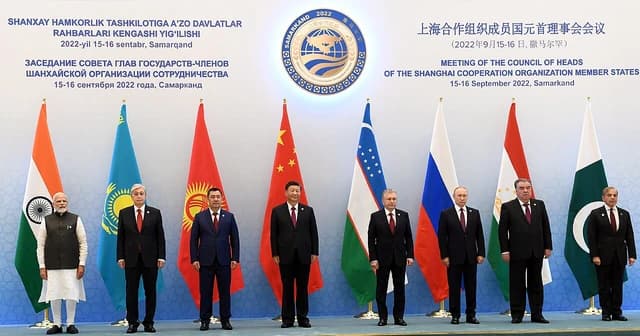
That matters economically because Kazakhstan sits in the middle of a resource-rich corridor linking China, Russia and Europe. A swap line can ease transaction frictions for importers and exporters, support local-currency invoicing, and reduce the need to tap dollar reserves for day-to-day trade. For Astana, the benefit is resilience. For Beijing, it is influence: the Chinese financial system becomes more embedded in regional trade flows without the need for a formal reserve-currency breakthrough.
The timing also fits a broader pattern. China has been steadily widening its network of bilateral swap arrangements, using them as a practical tool of statecraft while the U.S. dollar remains under pressure in parts of the market. Adalytica’s US Dollar Trade Signals snapshot shows sentiment on the greenback in fear territory even as awareness of the move is high, underscoring how sensitive investors are to any sign that non-dollar settlement is gaining ground. At the same time, China’s own currency has been relatively steady against the dollar, with the yuan trading around 6.72 per dollar in late August, which supports Beijing’s case that regional trade can be financed without excessive currency disruption.
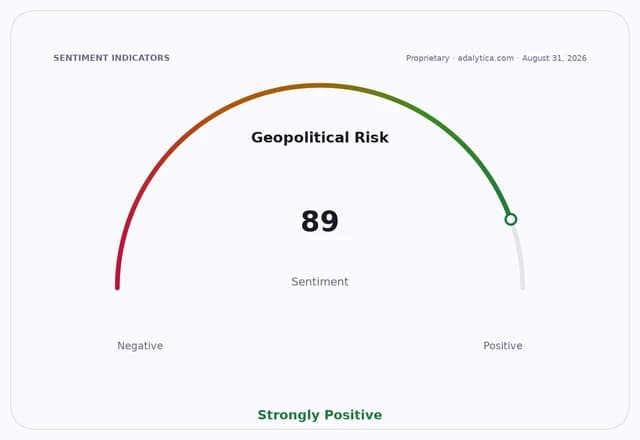
The investment angle is straightforward: the market often underestimates how much of the next cycle in global finance will be built not on one dramatic replacement for the dollar, but on a growing stack of bilateral payment channels, swap lines and trade links. That favors Chinese banks with cross-border reach, local financial infrastructure providers, commodity exporters with Asia exposure, and logistics and industrial names tied to the China-Central Asia corridor.
Kazakhstan is not the endgame, but it is a useful signal. The more China can normalize currency swaps across emerging markets, the more it creates a parallel trade architecture that can outlast short-term geopolitical noise. For investors, that argues for staying early in the beneficiaries of de-dollarization, Eurasian trade expansion and China-linked infrastructure finance.
| Entity | Gains | Losses |
|---|---|---|
| Kazakhstan | ▲FX liquidity buffer | ▼Dollar funding pressure eases |
| China | ▲Trade settlement reach | ▼Dollar dependence shrinks |
| U.S. dollar system | ▲None | ▼Marginal share in regional trade |
| China-linked banks and infrastructure | ▲More cross-border flow | ▼Less friction in trade finance |