Kazakhstan Crypto Rules Favor Licensed Platforms
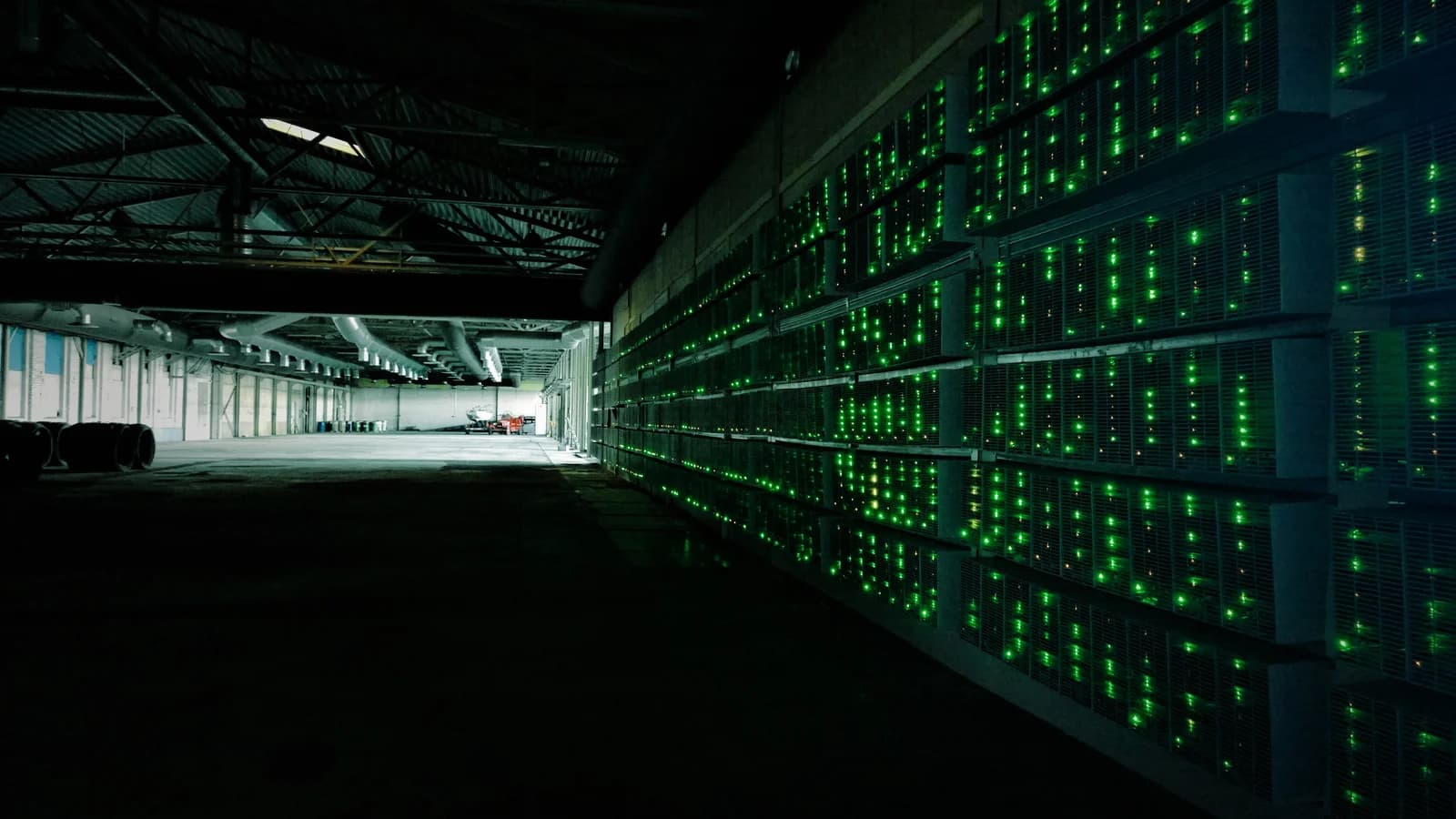
Kazakhstan’s plan to pull cryptocurrency activity out of the shadow market marks a bid to convert opaque trading and mining-linked flows into taxable, supervised financial activity at a time when global regulators are pushing crypto deeper into the formal banking system.
The economic stakes are bigger than investor protection. For Kazakhstan, a resource-rich economy that has previously drawn crypto miners because of its power costs and location between Russia and China, bringing digital assets into the regulated perimeter could help capture tax revenue, curb illicit finance and reduce pressure on banks wary of handling crypto-linked funds. It also gives authorities more visibility over capital flows in a sector built to move value across borders quickly.

The move fits a broader shift in crypto policy from outright bans toward licensing, surveillance and enforcement. U.S. regulators are taking a similar path: the CFTC has charged a commodity and cryptocurrency pool operator over an alleged $14 million fraud, while U.S. officials have moved away from a proposed blanket crypto ATM ban in favor of targeted rules aimed at criminal misuse. The SEC’s 2026 crypto rulemaking agenda is expected to focus on safe harbors and broker-dealer rules, and approvals of trust-bank licenses for crypto firms such as Circle point to a more institutionalized market structure.
For investors, Kazakhstan’s approach matters because regulatory clarity can change who captures crypto economics. Licensed exchanges, custodians and compliant payment firms stand to benefit if informal activity migrates onto supervised platforms. Unregistered brokers, peer-to-peer cash networks and miners operating outside tax and power-use rules face higher costs or exclusion.

The market backdrop is fragile. Bitcoin closed at $63,849.70 on July 10, nearly 48% below its Aug. 13 level of $123,344.06, and remained below its conventional 50-day and 200-day moving averages, according to the supplied price data. Coinbase shares closed at $159.07, also below their 50-day and 200-day moving averages, while crypto miner MARA Holdings ended at $12.60, close to its 200-day average but below its 50-day trend line.
Sentiment is no longer euphoric. Adalytica.com’s proprietary Bitcoin Fear & Greed Index showed a neutral reading of 63 on July 10, down 7 points on the day and 10 points over a week, suggesting investors are more cautious even as policy frameworks become clearer.
Kazakhstan’s challenge will be execution. Rules that are too restrictive could keep activity offshore or underground; rules that are credible, enforceable and bankable could pull liquidity into domestic channels and make the country more attractive to compliant crypto firms. The direction is clear: the shadow market is becoming less acceptable, and the next phase of crypto competition will be fought over licensing, custody, tax treatment and access to the banking system.
| Entity | Gains | Losses |
|---|---|---|
| Kazakhstan authorities | ▲Tax and oversight | ▼Enforcement burden |
| Licensed crypto platforms | ▲Formal market share | ▼Compliance costs |
| Shadow-market operators | ▲Little room to operate | ▼Anonymity and margins |
| Crypto investors | ▲Legal clarity | ▼Higher reporting requirements |