Kazakhstan plans 3M-ton Dubovskaya coal mine
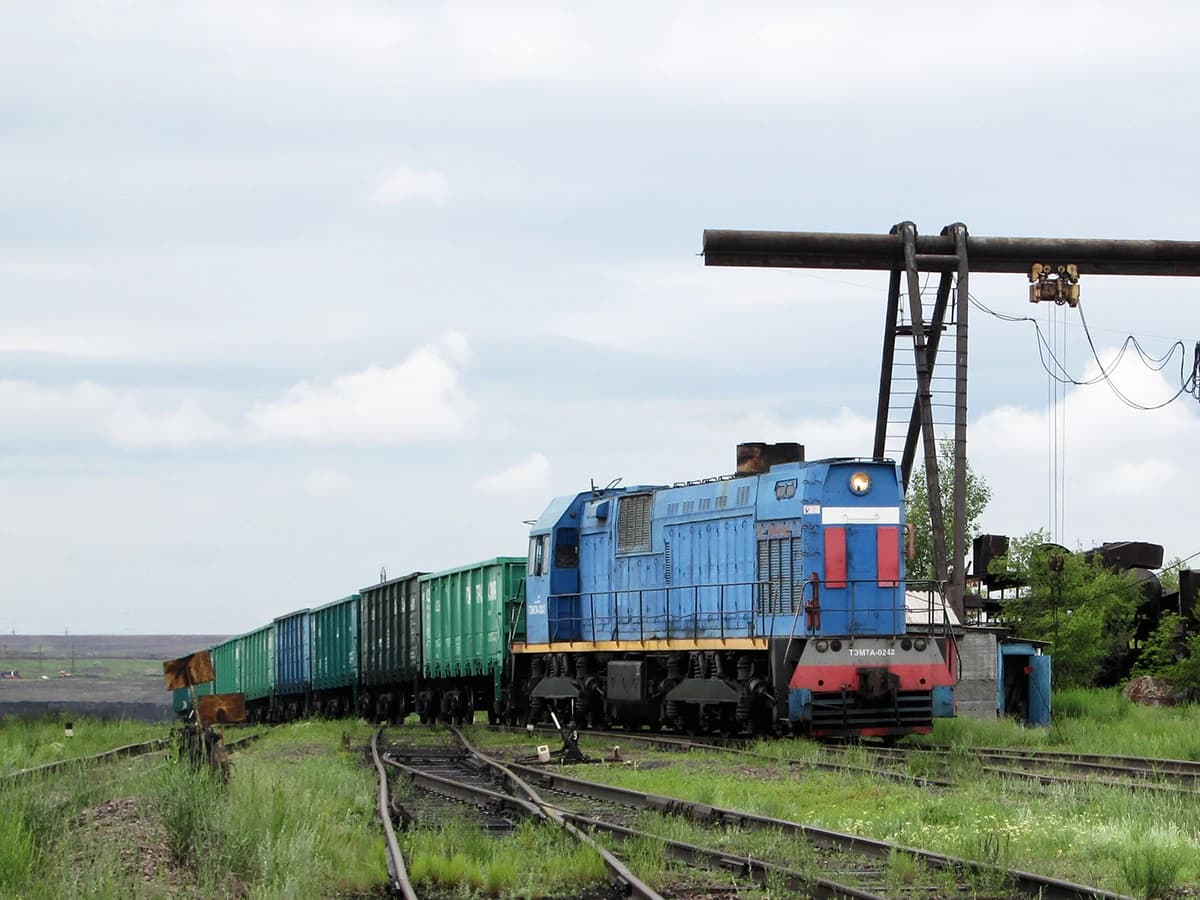
Kazakhstan is moving ahead with a new underground coal mine at the 1st Dubovskaya deposit, a project that could produce 3 million tons a year and underscores how miners and governments are still willing to commit capital to fossil fuels when the economics and infrastructure line up.
That matters because coal has not disappeared from the global energy mix, even as investors hear more about decarbonization than demand growth. A project of this size is not a quick trade; it is a 38-year lease, a 45-month build and a long-lived industrial bet on steady power, steel and regional fuel demand. In other words, this is the kind of asset that can keep generating cash through cycles if costs stay under control.
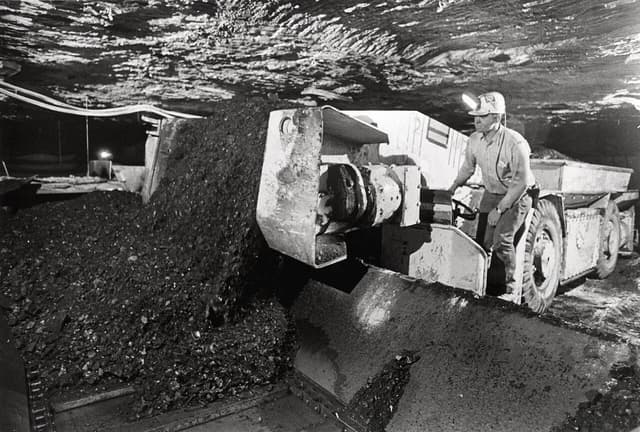
For investors, the numbers are what make this interesting. Success Minerals Kazakhstan Ltd says the mine could pay back in a little over eight years, with total construction costs of about $244.8 million and additional off-site infrastructure spending of roughly $43.9 million. The company is budgeting a mining cost of nearly $32 a ton, versus an assumed raw coal selling price of about $60 a ton including taxes, which leaves a meaningful cushion if prices hold.
The deposit also has scale. Industrial reserves are estimated at 142.8 million tons, enough to support years of production if the geology and permitting line up as planned. The field sits in the western part of the Karaganda basin, near rail lines, power transmission and water sources, which can lower the capital intensity versus a remote greenfield project. That infrastructure advantage is one reason long-term miners keep coming back to central Kazakhstan.
Still, this is not a no-risk story. The coal quality varies by seam, with ash content ranging from 12% to 26% and enrichment complexity described as moderate to very difficult. Those are the kinds of details that can eat into margins when equipment, labor or transport costs rise. And with the world still debating the future of coal, financing and policy support may be more complicated over time than the model assumes.
Even so, the project tells investors something important: coal remains a business, not a headline. When a company is willing to spend nearly $300 million to develop a mine with decades of life, it is betting that industrial demand, export routes and regional energy needs will keep supporting the sector well beyond the current cycle. For long-term investors, the takeaway is simple: coal is still worth watching, especially where infrastructure and reserves give producers an edge.
| Entity | Gains | Losses |
|---|---|---|
| Success Minerals Kazakhstan Ltd | ▲Long-life coal cash flow | ▼Upfront capital burden |
| Kazakhstan coal suppliers | ▲New production volumes | ▼Higher execution risk |
| Regional rail and utilities | ▲Construction and freight demand | ▼Capacity strain |
| Coal investors | ▲Potential value from low-cost reserves | ▼Policy and pricing risk |