Kazakhstan grain stocks rise as exports increase
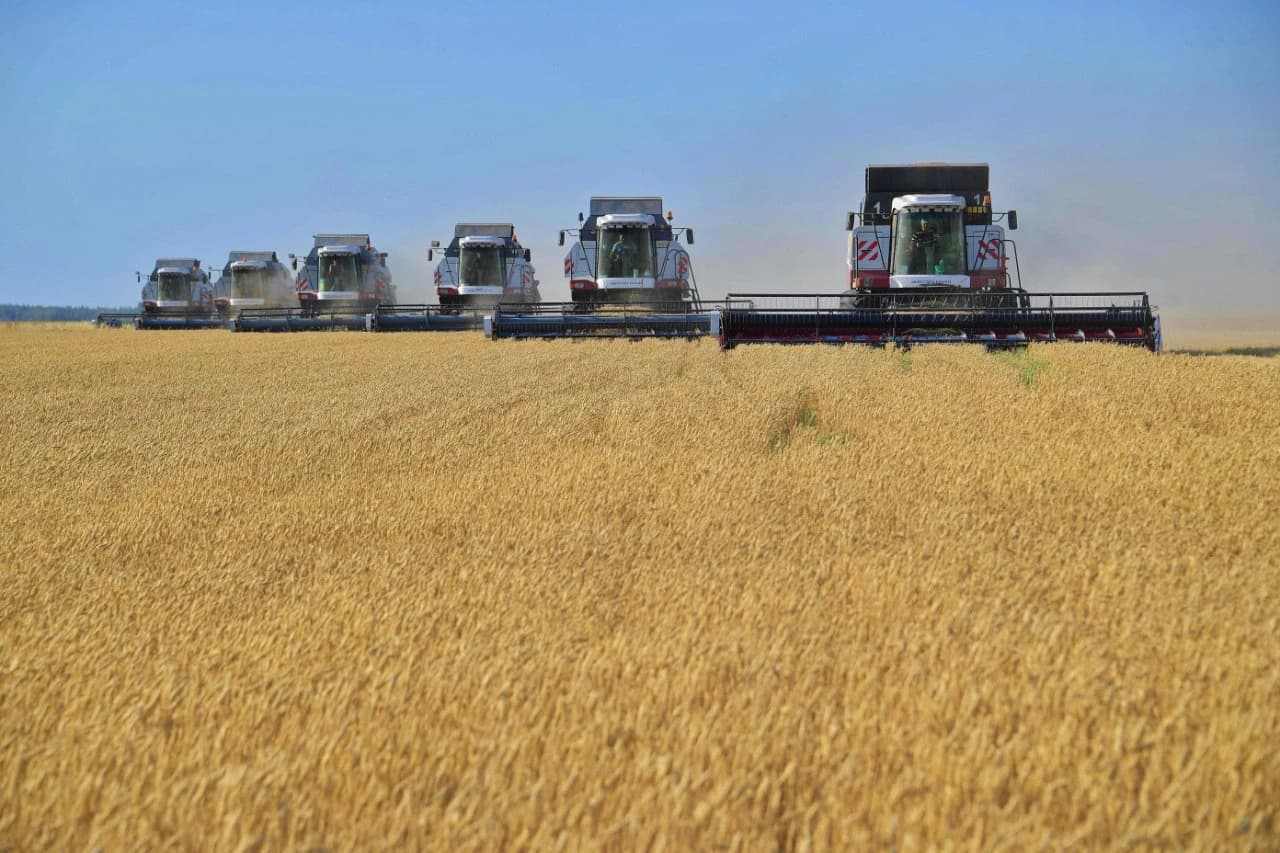
Kazakhstan is entering the final stretch of its harvest with a large domestic grain pile and faster exports, underscoring the country’s role as a regional supplier even as farm finances remain strained.
As of Sept. 1, the country held 12.8 million tons of grain and legumes, according to official statistics, with wheat dominating inventories at more than 9.1 million tons and barley near 2.4 million tons. At the same time, grain exports from the new crop rose 14% in the first eight months of the year, even as producers continued to ask for state support to ease financial pressure.

The numbers matter because Kazakhstan’s grain sector is not just a domestic food story: it is a hard-currency export industry, a feed source for livestock, and a key supplier for markets stretching across Central Asia, the Middle East and parts of Europe. A heavier stock of food-grade grain suggests the country has enough volume to keep mills and exporters supplied in the near term, while the export increase points to stronger external demand and better logistics than in some neighboring Black Sea markets.
Wheat remains the anchor. Of the 12.8 million tons in storage, 10.7 million tons, or 83%, is food grain, the category used for flour, bread and confectionery production. Another 1.7 million tons is feed grain and about 400,000 tons is seed stock for next year’s planting. That mix suggests Kazakhstan is not facing an immediate supply squeeze, but it also means the market will be watching whether the crop can be monetized quickly enough to support farmers’ balance sheets.
The regional concentration of stocks also matters. More than three quarters of grain is held in Akmola, North Kazakhstan and Kostanay regions, which makes the harvest outcome in those northern belts the main determinant of national export availability and domestic pricing. Producers are holding 5.5 million tons on their own sites, another 3.4 million tons sits in elevators and grain stores, and nearly 1 million tons has already been bought by flour mills, indicating both an active post-harvest supply chain and a need for cash conversion.
Exports are moving, but not without friction. In the first half of 2026, Kazakhstan shipped nearly 4.5 million tons of wheat abroad, alongside more than 529,000 tons of barley and smaller volumes of pulses, corn and rice. The higher outbound flow supports earnings for traders and processors, yet farmers still face a familiar problem: strong harvest volumes do not automatically translate into healthy margins when transport costs, financing costs and currency effects remain unfavorable.
That tension explains why the sector is still leaning on government assistance. For investors, the key issue is whether Kazakhstan can sustain export growth without turning the grain industry into a permanently subsidized business. If shipments continue to accelerate, the country could strengthen its position in regional grain trade and lift activity for logistics, port and storage operators. If farm margins keep tightening, however, the harvest surplus may become less a sign of strength than a warning that producers are accumulating inventory faster than they can profitably sell it.
| Entity | Gains | Losses |
|---|---|---|
| Kazakh grain exporters | ▲Higher shipment volumes | ▼Price and freight pressure |
| Flour mills and processors | ▲Abundant wheat supply | ▼Tighter margins if input costs rise |
| Farmers and producers | ▲Large harvest volumes | ▼Cash-flow strain |
| Competing exporters in the region | ▲None | ▼Share to Kazakhstan |