Kazakhstan Reopens Home Privatization Route
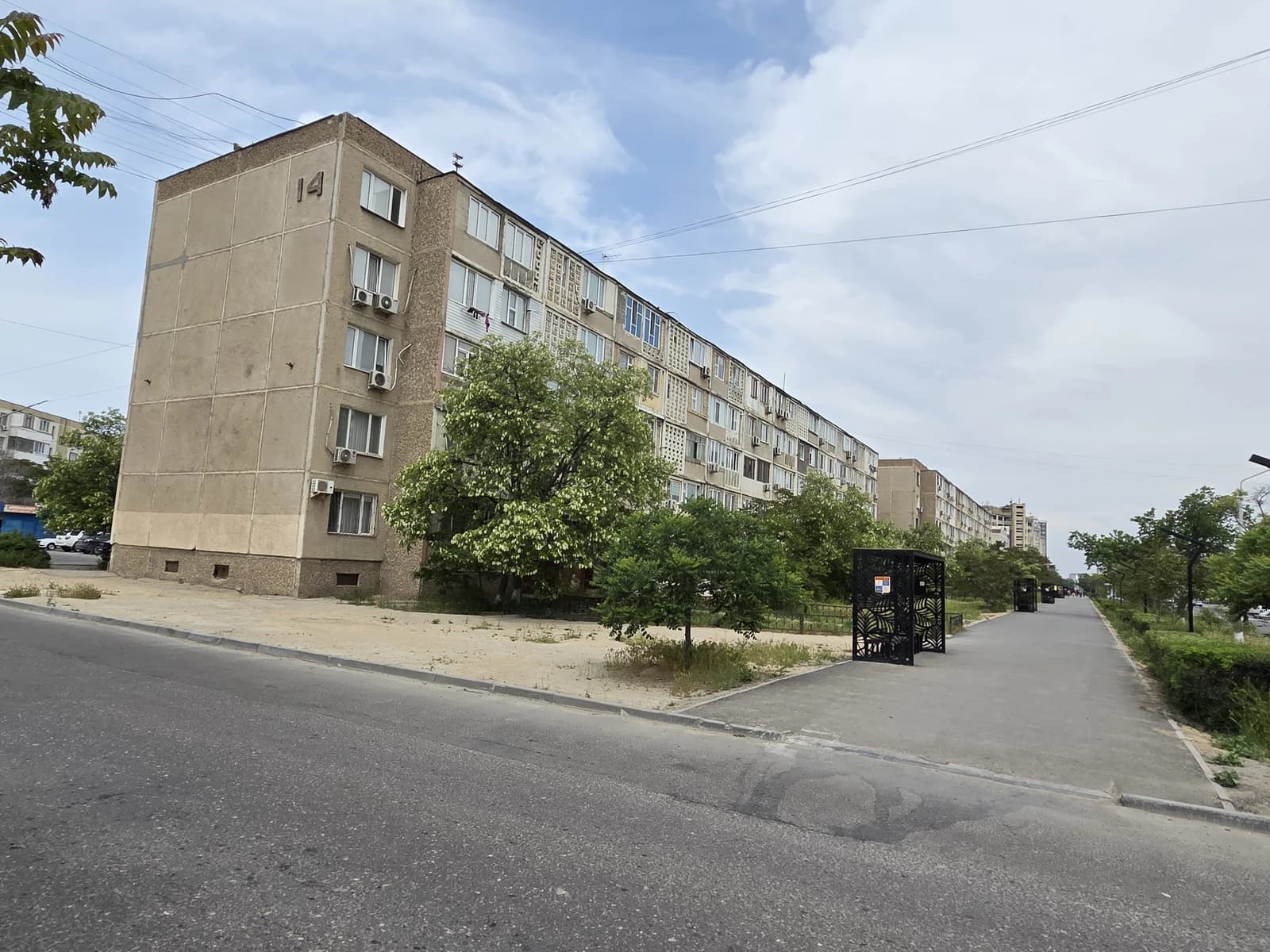
Kazakhstan has reopened a route to homeownership for households that missed earlier privatization windows, a move that could gradually widen private ownership and reshape demand in the country’s housing market.
The policy matters economically because housing tenure is not just a social issue in Kazakhstan and much of the former Soviet region; it determines who controls an asset, who bears maintenance costs and how much liquidity can circulate through the property market. Allowing a second chance to privatize homes should, over time, push more households into ownership, potentially lift transaction activity and improve the collateral base for consumer borrowing, while also creating a clearer framework for repairs, resale and inheritance.
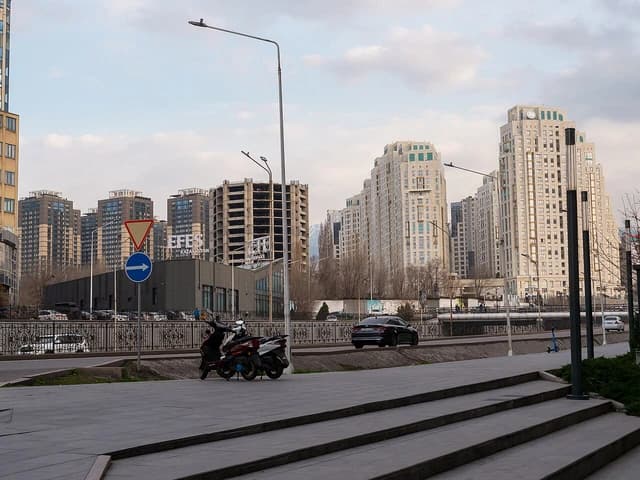
The change also comes with updated installment terms designed to make housing more accessible, underscoring a broader state effort to support affordability as governments across the region try to answer persistent shortages and rising demand. In Kazakhstan’s case, the measure is not a full housing-market liberalization, but it is a practical easing that could help convert more state-linked housing stock into private assets and reduce the number of households left in legal limbo after earlier missed opportunities.
For investors, the immediate impact is likely to be more nuanced. A second privatization round could support demand for mortgage-related services, construction materials and residential maintenance over time, but it also raises questions about how quickly households can absorb the costs of ownership and whether installment plans are sufficient to prevent affordability from becoming a bottleneck. The policy leans supportive for domestic consumption and housing turnover, but its effectiveness will depend on implementation details, local income trends and whether credit availability keeps pace.

The regional backdrop matters as well. Russia is discussing the free allocation of land for individual housing construction, another sign that policymakers are leaning on land and ownership reforms to stimulate residential development. Together, the moves suggest governments are still treating housing as a lever for social stability and economic activity, even as affordability pressures remain entrenched.
For Kazakhstan, the key question is whether a second chance to privatize housing becomes a one-off correction or the start of a broader shift toward a more market-based housing system. The answer will determine whether the policy meaningfully boosts private ownership and housing liquidity, or simply offers a limited fix to a longstanding access problem.
| Entity | Gains | Losses |
|---|---|---|
| Kazakhstan households | ▲New ownership access | ▼Lost chance to privatize earlier |
| State housing system | ▲Lower administrative burden | ▼Less control over stock |
| Housing and mortgage lenders | ▲More potential borrowers | ▼Slower uptake if affordability stays weak |
| Construction and materials firms | ▲Better long-term demand | ▼Limited near-term boost |