Kazakhstan Inflation Slows to 9.8% in August
Kazakhstan’s annual inflation slowed to 9.8% in August, dropping back into single digits and giving the National Bank more room to argue that tighter policy and a stronger tenge are starting to work.
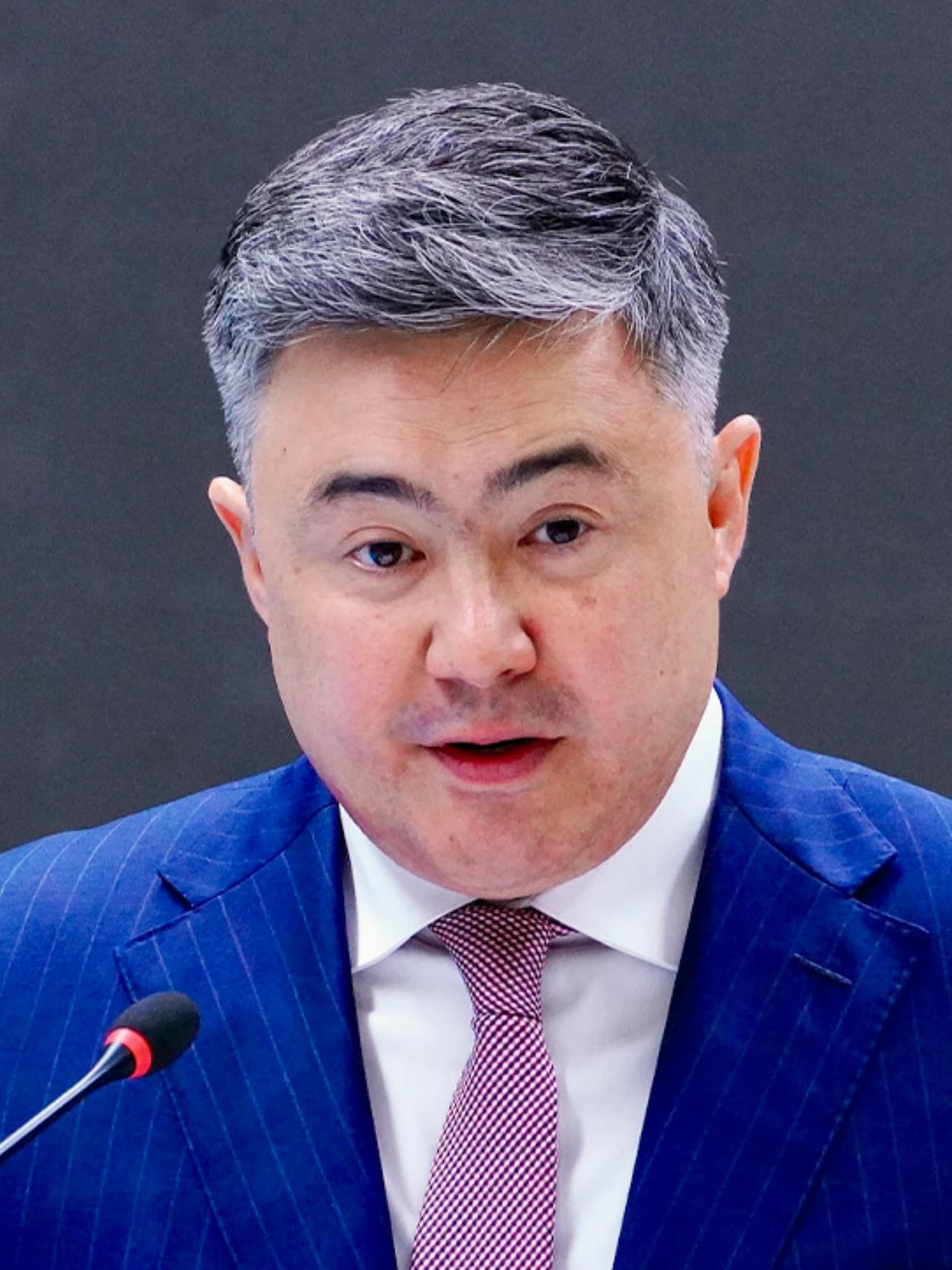
The easing matters because inflation has been the country’s main macroeconomic headache, shaping borrowing costs, household spending and the outlook for the currency. Timur Suleimenov, head of the central bank, said the slowdown was driven by cheaper vegetables and fruit, lower import prices and a firmer exchange rate supported by monetary policy and favorable oil prices.
Food inflation cooled to 9.5%, while non-food inflation slowed to 11.4% as the stronger tenge reduced the cost of imported goods. Service inflation also eased to 8.9%, helped by slower gains in unregulated services and a moderating contribution from housing and utilities.
For investors, the key question is whether the disinflation trend is durable enough to keep policy from tightening further. Monthly inflation was still 0.6% in August, unchanged from July, while core inflation held at 0.7% month on month and seasonally adjusted inflation came in at 0.9%, suggesting underlying price pressure has not disappeared.
The central bank also pointed to a drop in inflation expectations, with the public’s one-year outlook falling to 12.1% in July from 13.4% a month earlier. That is important for domestic asset pricing because lower expectations can support the tenge, reduce pressure on bond yields and make future rate decisions less aggressive.
Suleimenov also highlighted a relatively strong non-oil economy as a disinflationary factor. Excluding mining, GDP growth is estimated at 5.4%, with construction, manufacturing, transport and storage leading the expansion, while retail sales rose 4.1% year on year in real terms in January-July.
The backdrop gives the National Bank a more favorable near-term inflation narrative, but the mix is not yet clean. Persistent consumer demand and higher fuel prices are still slowing the disinflation process, leaving policymakers dependent on the currency, oil prices and import costs to keep inflation moving lower in the months ahead.
| Entity | Gains | Losses |
|---|---|---|
| National Bank of Kazakhstan | ▲More policy credibility | ▼Less urgency for fresh tightening |
| Kazakh consumers | ▲Slower price gains | ▼Still face higher fuel costs |
| Tenge | ▲Support from disinflation | ▼Vulnerable if oil weakens |
| Importers | ▲Lower import costs | ▼Margins squeezed by stronger currency |