Kazakhstan suspends Lukoil Caspian oil project
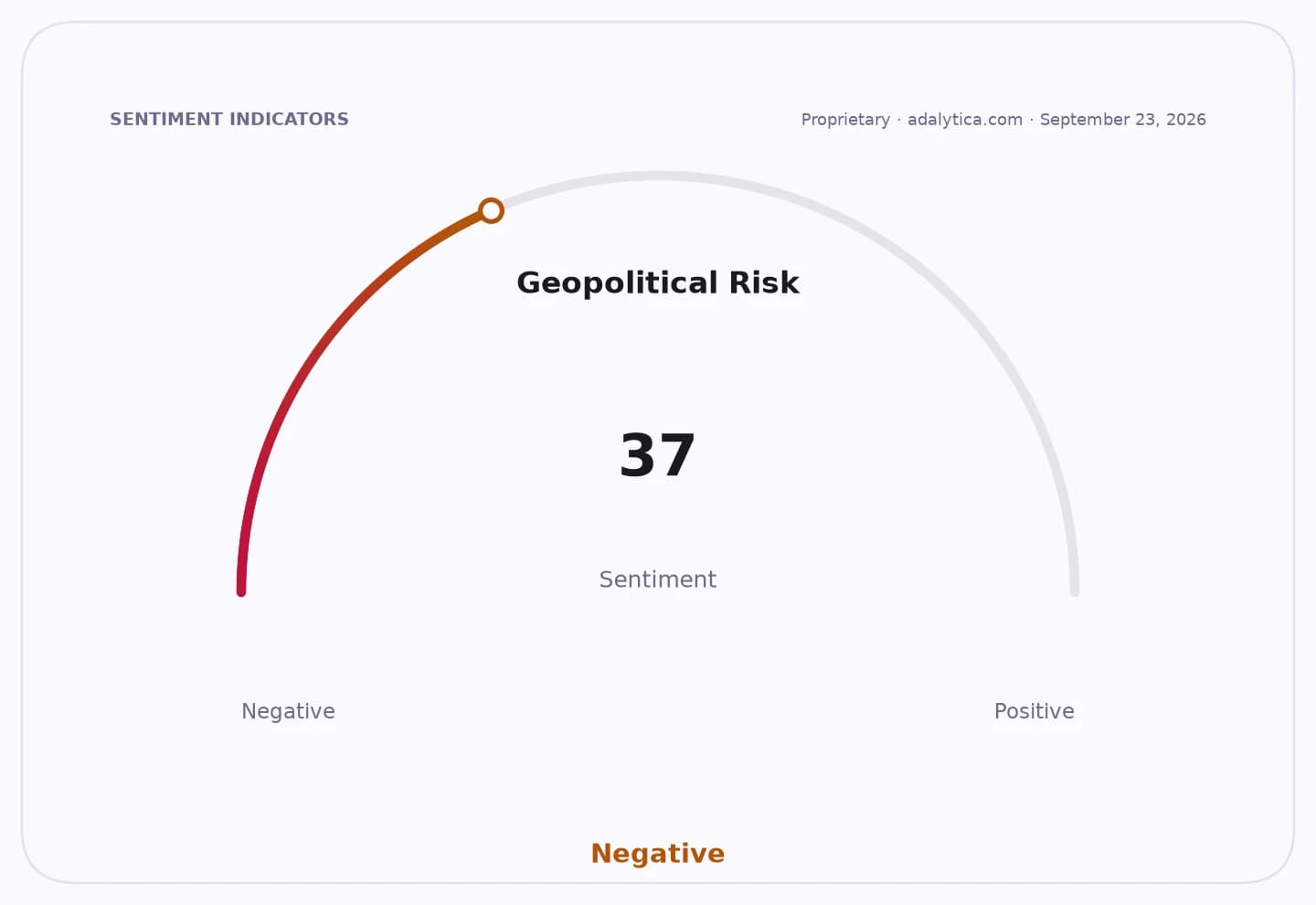
Kazakhstan has suspended a joint oil exploration project with Lukoil in the Caspian Sea, and that matters because it shows how sanctions are no longer just a financial-market issue — they are starting to reshape where energy companies can actually drill, spend and grow.
For investors, the most important takeaway is that geopolitical risk is now flowing directly into upstream capital allocation. When a country as energy-friendly as Kazakhstan pauses a project because one partner is sanctioned, it is another sign that reserve replacement and exploration pipelines are becoming harder to build in politically sensitive regions. That can support oil prices over time by tightening future supply, but it also raises the risk that planned projects never make it to production.
KazMunayGaz said the Al-Farabi project, a joint geological exploration venture with Lukoil in Kazakhstan’s sector of the Caspian Sea, has been temporarily stopped. The state company said the project is still at the exploration stage, and that production and exploration work were suspended because of sanctions restrictions on Lukoil. It also said there has been no formal corporate decision to exit the project altogether.
That distinction matters. A pause is not the same as abandonment, but it is often the first step toward a longer retreat when sanctions complicate financing, equipment access, contracting and project governance. The partners had already flagged weak geological prospects in a 2025 audit report for Al-Farabi Operating, which suggests the project was never among the strongest pieces of the portfolio. Still, when sanctions force a halt, weak economics become easier to walk away from.
The broader oil market backdrop makes the development more relevant. Crude prices remain elevated, with West Texas Intermediate around $94 a barrel in the supplied forecast, and energy equities have been volatile but resilient. That is exactly the kind of environment in which investors start paying closer attention to supply security, because the next barrel is increasingly influenced by politics, not just geology. A halt in the Caspian may not move prices on its own, but it reinforces the idea that future supply growth is vulnerable in regions where Russia-linked capital is involved.
For long-term investors, the story is less about one project and more about a pattern. Oil and gas companies can only replace reserves if they keep exploring, and sanctions are making that harder in some jurisdictions. That tends to favor producers with cleaner balance sheets, more stable jurisdictions and stronger free cash flow, while punishing frontier exploration bets that depend on cross-border cooperation.
In other words, this is a reminder that energy investing is not just about the commodity price. It is about who can still develop resources when geopolitics gets in the way. The Al-Farabi pause is worth watching, especially if it becomes a template for other projects tied to sanctioned partners.
| Entity | Gains | Losses |
|---|---|---|
| Kazakhstan state oil sector | ▲Less sanction exposure | ▼Slower exploration growth |
| Lukoil | ▲Limited immediate exit pressure | ▼Project access, future reserves |
| Global oil producers | ▲Tighter future supply | ▼Higher scrutiny and volatility |
| Energy investors | ▲Supportive oil price backdrop | ▼More project risk |