KB Kookmin Bank May Ease Mortgage Caps
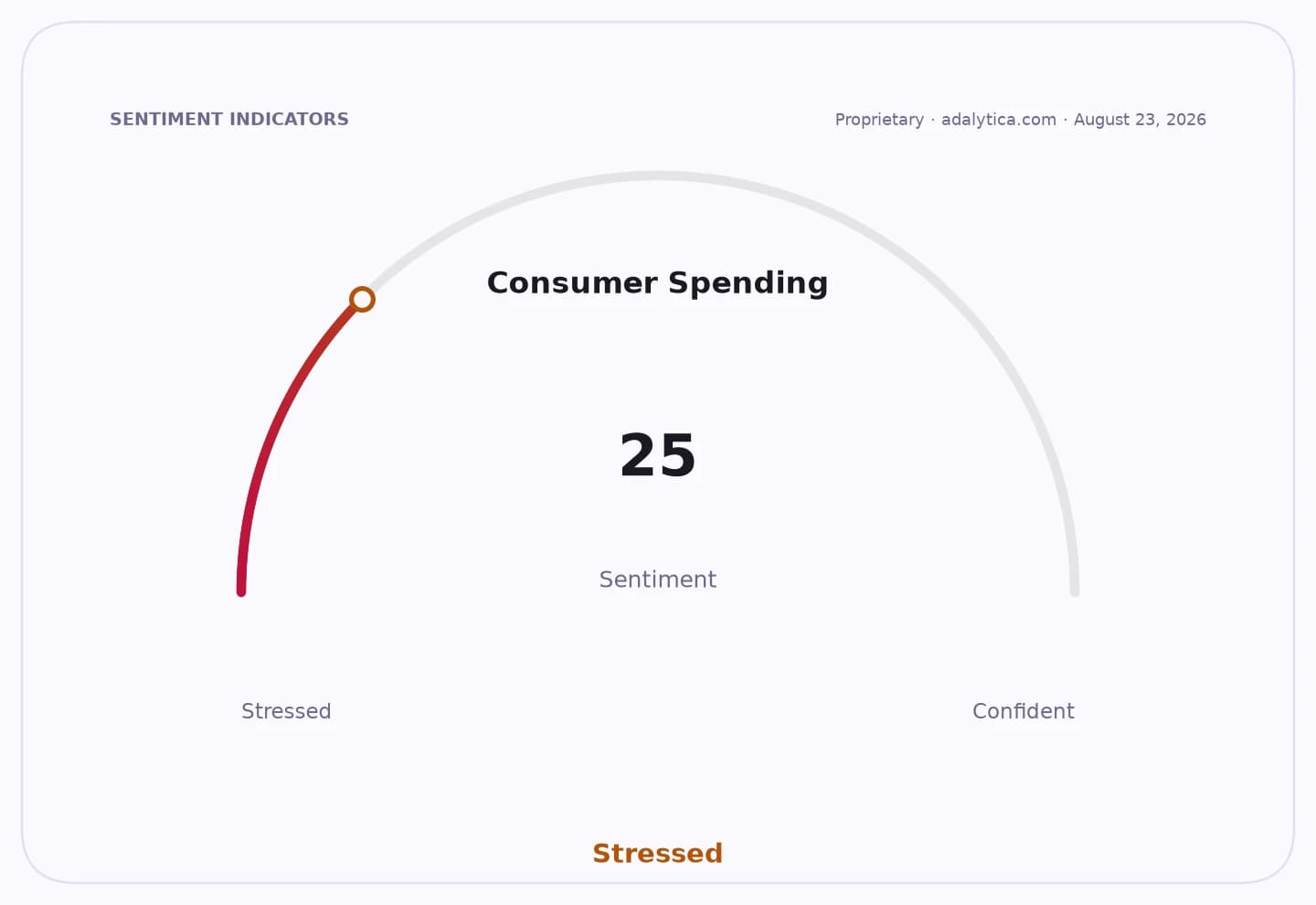
Higher borrowing costs are forcing policymakers and lenders to decide whether a housing slowdown is a price worth paying for financial stability. In South Korea, KB Kookmin Bank is weighing a reversal of last month’s sharp mortgage tightening just as the government doubles its target growth rate for household loans to 3% this year, a shift that could expand credit availability for first-time buyers and support a housing market strained by elevated monthly repayments.
The change matters because mortgage access, not just mortgage rates, is now doing the work of demand management. KB Kookmin had cut its mortgage cap from 600 million won to 300 million won in July, making it the only major lender to tighten at the time. A restoration would signal that the pressure to contain household debt is easing after policymakers decided they could afford more credit growth. The five major banks are expected to add about 7.5 trillion won in mortgage capacity, according to local reports, which would help households that have been priced out by both high home values and stubbornly expensive financing.
The backdrop is not a return to cheap money. The US 10-year Treasury yield, a global benchmark for borrowing costs, has been hovering around 4.7%, while the average 30-year US mortgage rate is still near 6.7%, underscoring how restrictive housing finance remains. Even as the US unemployment rate sits near 4.1%, the combination of firm long-term yields and only modestly easier labor-market conditions has kept pressure on credit-sensitive sectors. That helps explain why banks and regulators in other markets are still trying to fine-tune loan growth rather than reopen the taps fully.
For investors, the story is less about one lender than about the direction of bank earnings, housing transaction volumes and credit risk. Easing mortgage limits can lift origination activity, fee income and related demand for builders, brokers and property platforms. In South Korea, it could also steady sentiment among first-time buyers who have been postponing purchases because monthly debt service consumes too much of their income. But the bull case comes with a warning: if lending growth accelerates faster than wages or home prices, authorities may have to reverse course again, and banks would be left balancing volume growth against the risk of future arrears.
The market signal is that credit policy is becoming more supportive, but not necessarily more permissive. That tends to favor lenders with strong deposit franchises and disciplined underwriting, while hurting those relying on a quick housing rebound. The next test will be whether banks translate looser caps into real lending without stoking the household-debt concerns that forced them to tighten in the first place.
| Entity | Gains | Losses |
|---|---|---|
| First-time homebuyers | ▲Better mortgage access | ▼Less immediate pressure relief on monthly payments |
| Major South Korean banks | ▲Higher loan volumes | ▼Greater household-debt exposure |
| KB Kookmin Bank | ▲Recaptures mortgage demand | ▼Risks looser underwriting margins |
| Housing market skeptics | ▲Credit growth remains capped overall | ▼Slower housing recovery if caution persists |