Kenya employer-backed mortgages expand housing access
Employer-backed mortgages may be one of the clearest signs yet that Kenya’s housing-finance market is trying to solve its biggest problem: too few households can qualify for a loan on ordinary terms. For salaried workers, that matters because steady payroll income can now do what traditional collateral often could not — unlock a path to homeownership.
That is economically important in a country where housing demand keeps rising faster than formal financing. When banks and employers work together to underwrite mortgages, they can reduce default risk, widen access to credit and pull more middle-income buyers into the market. Over time, that can support construction activity, boost demand for building materials and create a steadier pipeline for lenders looking for long-duration assets.
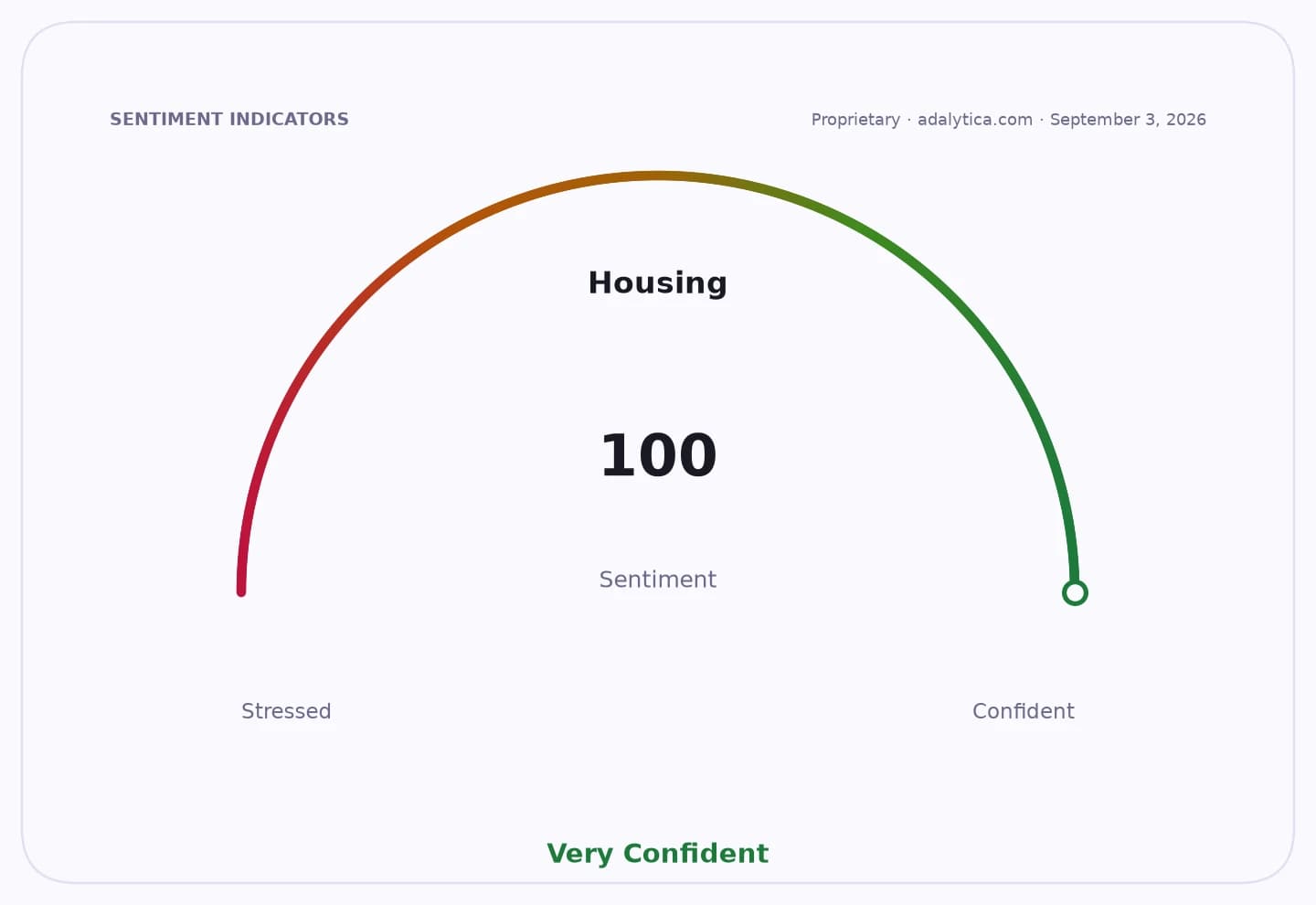
The timing also fits a broader affordability squeeze. Adalytica’s Housing and Rent Inflation Sentiment gauge is at 100, or “Extreme Greed,” suggesting housing costs are still a powerful issue in the market conversation. At the same time, CPI sentiment has plunged to 2, or “Extreme Fear,” underscoring the pressure inflation can put on household budgets and mortgage affordability. In that environment, salary-backed lending is attractive because it gives lenders more visibility into repayment capacity while offering buyers a more realistic entry point than lump-sum savings.
For investors, the opportunity sits less in any single headline and more in the financial plumbing. Banks with mortgage exposure, payroll-linked lending platforms, developers targeting the formal workforce and even employers seeking retention tools all stand to benefit if this model scales. It is also a reminder that housing finance in emerging markets is often built not just on interest rates, but on trust, salary stability and distribution.
There are still real constraints. Mortgages remain a long-term commitment in a market where incomes can be stretched, rates can move and property prices can outrun wages. But if employer-backed lending helps even a fraction of Kenya’s salaried class move from renting to owning, the impact could compound for years through stronger household balance sheets and deeper capital markets. For long-term investors, it is a trend worth watching — and one that belongs on the watchlist.
| Entity | Gains | Losses |
|---|---|---|
| Salaried Kenyan workers | ▲Easier mortgage access | ▼High upfront deposit hurdle |
| Banks and lenders | ▲Lower credit risk | ▼Traditional unsecured lending demand |
| Property developers | ▲More qualified buyers | ▼Slow cash-only market |
| Renters without formal payrolls | ▲— | ▼Weaker access to this financing model |