Kenya shilling steady after bond auction demand
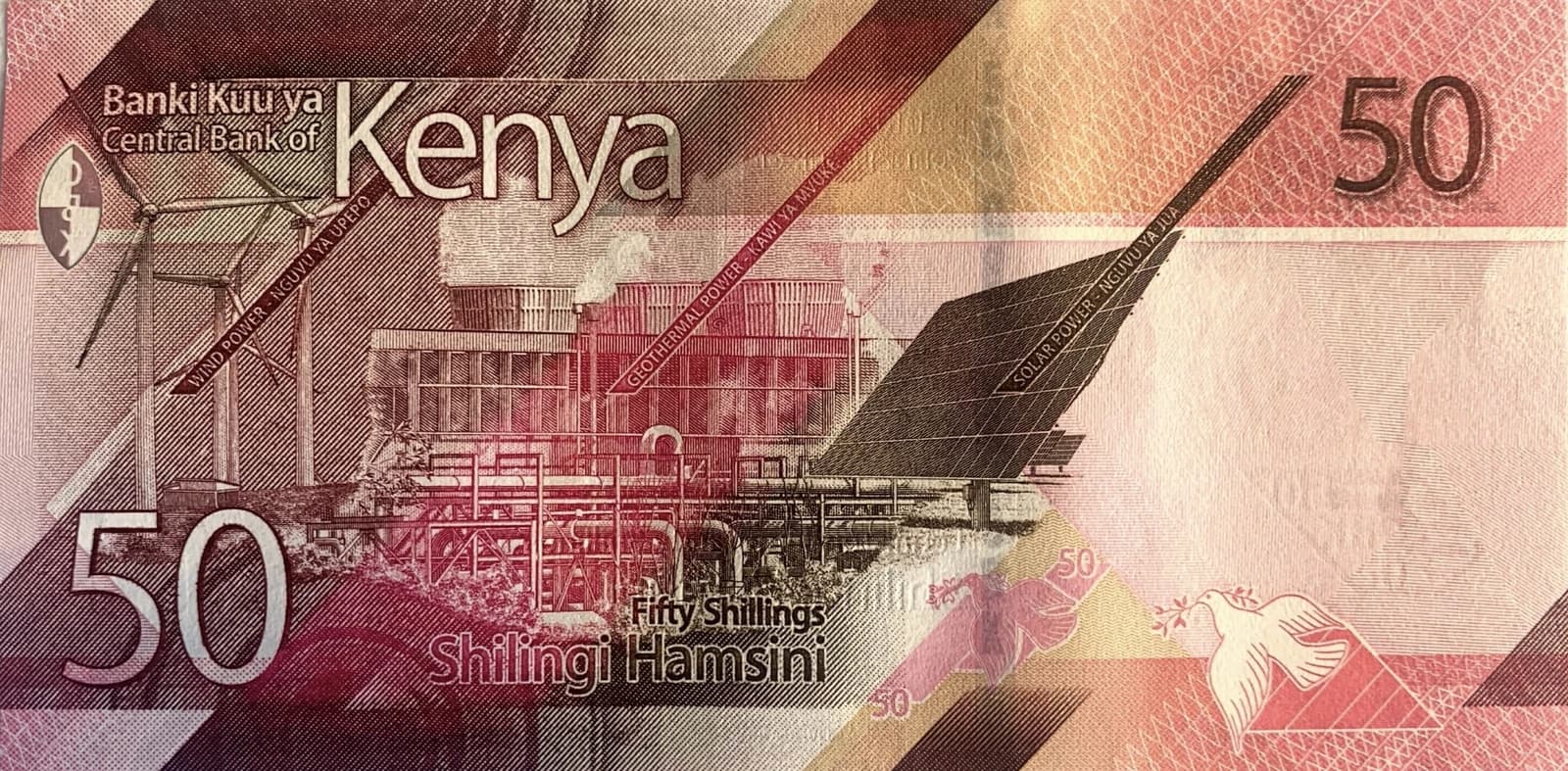
Kenya’s shilling is holding steady after a government bond auction drew firm investor demand, a sign the domestic debt market is still absorbing supply without the kind of disorderly price moves that would typically pressure the currency.
That matters because strong auction coverage helps the Treasury fund itself at a time when fiscal financing remains a central market concern. When local buyers and offshore investors are willing to take down government paper, the state can roll over debt more smoothly and avoid leaning too hard on the foreign-exchange market.

The shilling’s stability also suggests traders are not yet pricing in a fresh burst of capital outflows or a sharp rise in import-cover stress. A steadier currency can ease inflation pressure by limiting the cost of fuel, food and other imported goods, while giving the central bank a little more room to manage liquidity conditions.
On the market side, the tone fits with broader demand for sovereign debt across several emerging markets, where auctions have recently drawn interest even as yields stay elevated and fiscal concerns linger. That combination usually points to investors still willing to buy income, but only if returns compensate for budget and policy risk.

For equity and fixed-income investors, the immediate takeaway is that Kenya’s funding pipeline remains open and the currency is not showing signs of auction-related strain. The next test will be whether demand holds in future sales, especially if domestic rates, inflation and global dollar conditions move against emerging-market borrowers.
| Entity | Gains | Losses |
|---|---|---|
| Kenya Treasury | ▲Easier financing | ▼Lower funding stress |
| Shilling | ▲Support from bond demand | ▼Pressure from capital outflows |
| Bond buyers | ▲Attractive yields | ▼Duration and fiscal risk |
| Importers | ▲Stable exchange rate | ▼Weaker local-currency costs |