Kenya Talks on Stanbic Yuan Debt for SGR
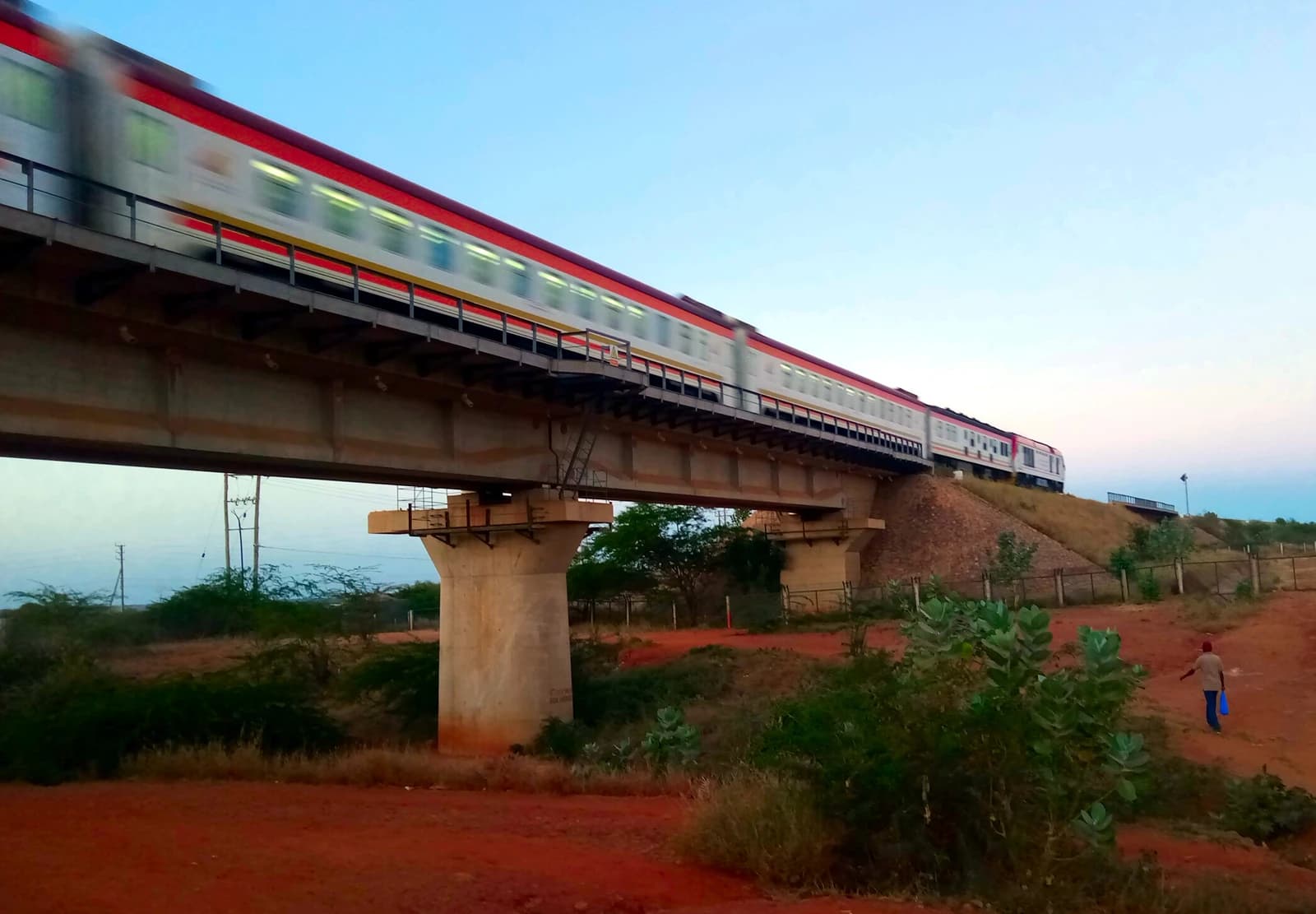
Stanbic Bank Kenya is in talks with the government to help service the country’s yuan-denominated debt tied to the Standard Gauge Railway, a move that could reshape how Nairobi manages one of its most politically sensitive obligations.
For investors, the significance is straightforward: Kenya is looking for a more workable path on foreign-currency debt at a time when sovereign borrowing costs remain elevated and governments from Europe to Africa are grappling with heavier debt-service bills. The Stambic proposal matters because the SGR loan is not just another liability — it is a large, visible debt burden linked to a flagship infrastructure project and to China, Kenya’s most important bilateral creditor.

Refinancing or restructuring the repayment mechanics would give Kenya breathing room in a budget already stretched by interest costs, revenue weakness and the need to fund basic services. That matters economically because every shilling devoted to external debt service is a shilling not available for transport, health, schools or capital spending that could support growth. It also matters for the currency: if the government can better manage yuan obligations, it may reduce pressure to source foreign exchange at unfavorable times.
The development also underscores a broader reality in emerging markets: the post-borrowing phase can be as important as the buildout itself. Kenya’s railway was meant to unlock trade and lift long-term productivity, but the financing has become a reminder that infrastructure only creates value if its debt can be carried without squeezing the rest of the economy. That is why the talks with Stanbic are more than a banking story; they are a test of how Kenya handles external liabilities in a tougher global rate environment.
Longer term, investors will want to watch whether the discussion leads to a genuine debt-management solution or simply buys time. A credible arrangement could ease refinancing risk and support sentiment toward Kenyan assets, while a weak fix would leave the country vulnerable to more budget strain and periodic market anxiety. For long-term investors, the key takeaway is that Kenya is still trying to convert a politically prized infrastructure project into a financially sustainable one — and that process will matter for sovereign risk, bank exposure and the outlook for local assets.
| Entity | Gains | Losses |
|---|---|---|
| Kenya government | ▲Debt-service relief | ▼Fiscal flexibility if talks stall |
| Stanbic Bank Kenya | ▲Fee income, higher role in financing | ▼Reputational risk if deal falters |
| China/SGR creditors | ▲Better repayment odds | ▼Potentially lower-yield restructuring |
| Kenyan taxpayers | ▲Less budget pressure | ▼Higher future obligations if costs rise |