Keppel Vietnam inventory tops 10,000 unsold homes

Keppel is sitting on more than 10,000 unsold homes in Ho Chi Minh City and Hanoi, underscoring how the Singapore group’s Vietnam bet remains a long-dated inventory play even as it pivots toward steadier fee income from managing assets and operating retail space.
The bulk of that stock, 10,109 units as of end-June, sits behind a broader strategy that is becoming more important for investors: Keppel wants less balance-sheet-heavy exposure to property development and more recurring revenue from asset management, leasing and operations. That matters because it can smooth earnings in a sector still vulnerable to lumpy disposals, valuation swings and uneven sales timing.

Vietnam is one of Keppel’s largest residential markets after China, with the group also holding inventory in Indonesia, India and Singapore. In Vietnam, its portfolio spans nine projects and sub-divisions, concentrated in the two biggest cities. The largest unsold block is Saigon Sports City in Ho Chi Minh City with 4,895 units, followed by Estiva Hanoi with 1,553 units. Both projects had not booked any sales by end-June, suggesting that Keppel’s near-term monetization depends heavily on a market that is still working through affordability, absorption and legal bottlenecks.
At the same time, the company is preparing more supply. Keppel says more than 4,500 homes will be ready for launch in Vietnam from the second half of 2026 through 2028, including 979 units in the current half, nearly 2,200 in 2027 and about 1,385 in 2028. The pipeline includes projects such as Celesta Gold, Gladia and Estiva, giving the group optionality if demand improves, but also lengthening the period over which capital may be tied up.
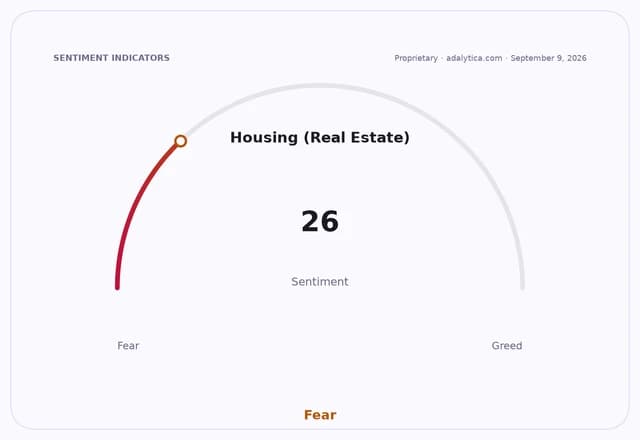
For the Vietnamese market, that pipeline arrives as Ho Chi Minh City has been making progress on long-running title and permitting issues, with authorities resolving pink-book problems across hundreds of commercial housing projects. Easier legal transfers should help support transaction volumes and improve buyer confidence, which would be positive for developers with large inventories. But Keppel’s scale also means it is exposed to any slow recovery in end-user demand.
The earnings picture shows why the strategy shift matters. Keppel’s property segment posted a net loss of S$19 million in the first half, versus a S$98 million profit a year earlier, with the swing reflecting weaker fair-value gains and the absence of last year’s one-off boosts from asset sales and revaluations. Excluding a Keppel REIT distribution loss, the business still made S$32 million, but that was not enough to offset the drag from fewer valuation uplifts and lower profit contribution from its Tianjin project.
That weakness makes the company’s push into recurring income more significant. Keppel said it booked S$36 million of revenue from property services in the half and had announced S$473 million of real estate value-creation transactions year to date. Its Hanoi Centre mall, opened in July, is a case in point: Keppel is using a master-lease structure to apply its asset-management and retail expertise while generating rental income rather than relying solely on asset sales.
For investors, the bull case is that Vietnam’s legal clean-up and Keppel’s upcoming launches could unlock a large inventory base at better margins if demand normalizes. The bear case is that the company remains exposed to slow-moving residential absorption, so earnings continue to depend on disposal timing and revaluation gains rather than a clean turnaround in property fundamentals.
The stock’s technical backdrop remains constructive, with Keppel’s shares trading above both the 50-day and 200-day moving averages, but that does little to change the core investment question: whether recurring management and leasing income can eventually matter more than the cycle in unsold homes.
| Entity | Gains | Losses |
|---|---|---|
| Keppel | ▲Recurring fee income | ▼Slower inventory monetization |
| Vietnam homebuyers | ▲More legal clarity | ▼Limited near-term supply relief |
| Existing homeowners | ▲Better market transparency | ▼Competition from new launches |
| Property bulls | ▲Potential demand recovery | ▼Developers carrying large stock |