The winner of Kerala’s record 30 crore Onam Bumper will take home far less than the headline prize, with agency commission, income tax, surcharge and cess cutting the payout to about 16.47 crore rupees.
Kerala Onam Bumper Winner Net Payout Drops to 16.47 Crore
That gap matters because the lottery’s biggest-selling draw is also a cash generator for the state, illustrating how mass-market gambling revenue, public finances and tax policy intersect around one highly visible windfall. The ticket sold for 500 rupees, but the state-backed lottery system keeps a large share of the gross intake before prizes are paid, while the winner faces a steep tax bill on the balance.
Sentiment IndicatorsⓘProprietary · adalytica.com · October 2, 2026
This is a snapshot — live sentiment, awareness and momentum for 130+ markets update continuously in the dashboard.Open AlphaPulse
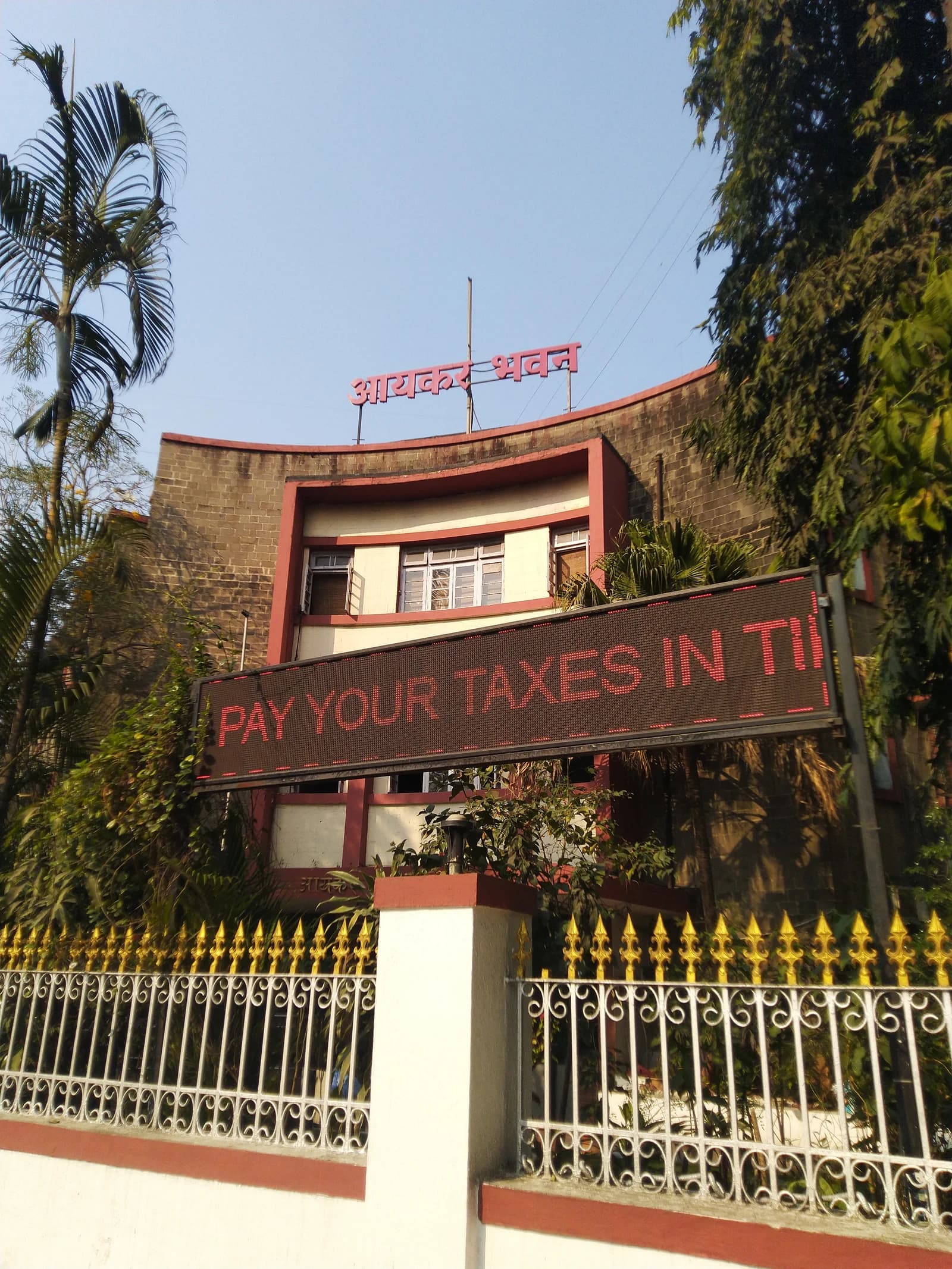
According to the calculations in the source report, the 30 crore top prize includes a 3 crore agency commission, leaving 27 crore rupees for tax computation. On that amount, base income tax comes to 8.1 crore rupees, followed by a 25% surcharge of 2.025 crore rupees and 4% cess of 40.5 lakh rupees, taking total tax-related deductions to 10.253 crore rupees. After those deductions, the jackpot winner would receive roughly 16.47 crore rupees.
The math underscores how lotteries can produce a headline-rich payout while the effective after-tax benefit is much smaller, especially at the top end of the prize ladder. For the government, the draw remains lucrative: the report says 90 lakh tickets were sold, generating gross turnover of 450 crore rupees, with the state ultimately receiving more than 241 crore rupees after commissions and related charges, while GST alone is estimated at 128.52 crore rupees.
For investors and market watchers, the story is less about the prize itself than the economics of consumer participation and state revenue extraction. Kerala’s bumper draw has become a high-volume, recurring cash source, and the record sales suggest durable demand even with a hefty effective take rate. That makes the lottery system a useful example of how informal consumer spending can translate into public revenue, even as the eventual winner’s payout is sharply reduced by tax law.
The immediate catalyst now is the final draw result, but the broader takeaway is that the publicized 30 crore prize is not the amount a winner can spend. Anyone tracking state lottery economics, consumer behavior or tax policy should focus on the net payout, the government’s share and whether record sales can be repeated in future bumper draws.
| Entity | Gains | Losses |
|---|---|---|
| Kerala government | ▲Higher lottery revenue | ▼Prize payout obligations |
| Lottery agencies | ▲3 crore commission | ▼Tax burden on winner |
| Ticket buyers | ▲Chance at windfall | ▼Almost all participants lose |
| Top-prize winner | ▲16.47 crore net payout | ▼13.53 crore in deductions |