Kicillof Builds Peronist Challenge to Milei in Argentina
Axel Kicillof is trying to position himself as the face of a rebuilt Peronist opposition, arguing that Argentina needs a new political option capable of replacing President Javier Milei at the ballot box and reversing his economic overhaul.
The Buenos Aires governor’s message, delivered in Misiones before a large party rally and a series of meetings with provincial officials and yerba mate producers, is significant because it goes beyond routine opposition rhetoric. Kicillof is not just criticizing Milei’s austerity drive; he is laying out a political strategy for 2027 that rests on rebuilding Peronism “from below” across provinces, unions and local bases after a year in which the government has retained enough support to keep its reform agenda alive.
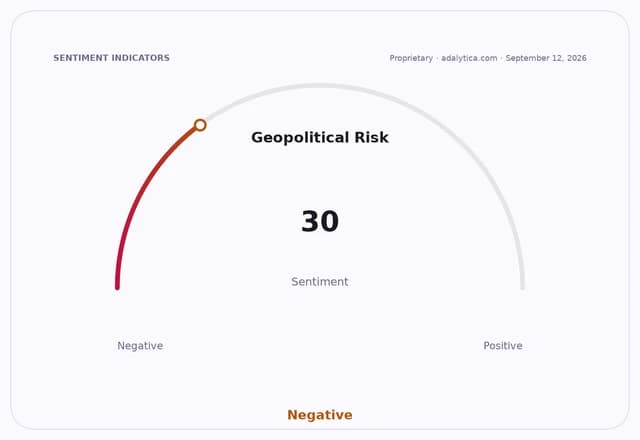
For investors, the stakes are straightforward. Milei’s program has relied on deep spending cuts, deregulation and a willingness to confront governors, unions and industry groups in pursuit of fiscal balance and a market-friendly policy reset. A serious Peronist counterforce would raise questions about the durability of those reforms, the pace of privatizations and deregulation, and the political room for further adjustment after the next election cycle. Argentina’s risk premium still turns as much on political credibility as on macro targets.
Kicillof used the trip to Misiones to argue that the problems facing Argentina are national rather than provincial, and that no governor can solve them alone. He attacked the Milei administration’s handling of jobs, wages, production, education and public health, saying the country had been left with “a desert” in employment and income. He also framed Milei’s foreign policy as out of step with Argentina’s needs, highlighting tensions with regional leaders including Brazil’s government.
The visit also showed how Kicillof is trying to broaden his appeal beyond the traditional Peronist core. In Misiones, he met yerba mate producers, tareferos and small farmers who have been hit by deregulation and by the weakening of the National Yerba Mate Institute’s regulatory powers under Milei’s decree 70/24. That gives the political narrative an economic base: the opposition is seeking to gather sectors hurt by a more open market model, from agro-industry to public-sector workers and provincial business groups affected by the halt in public works.
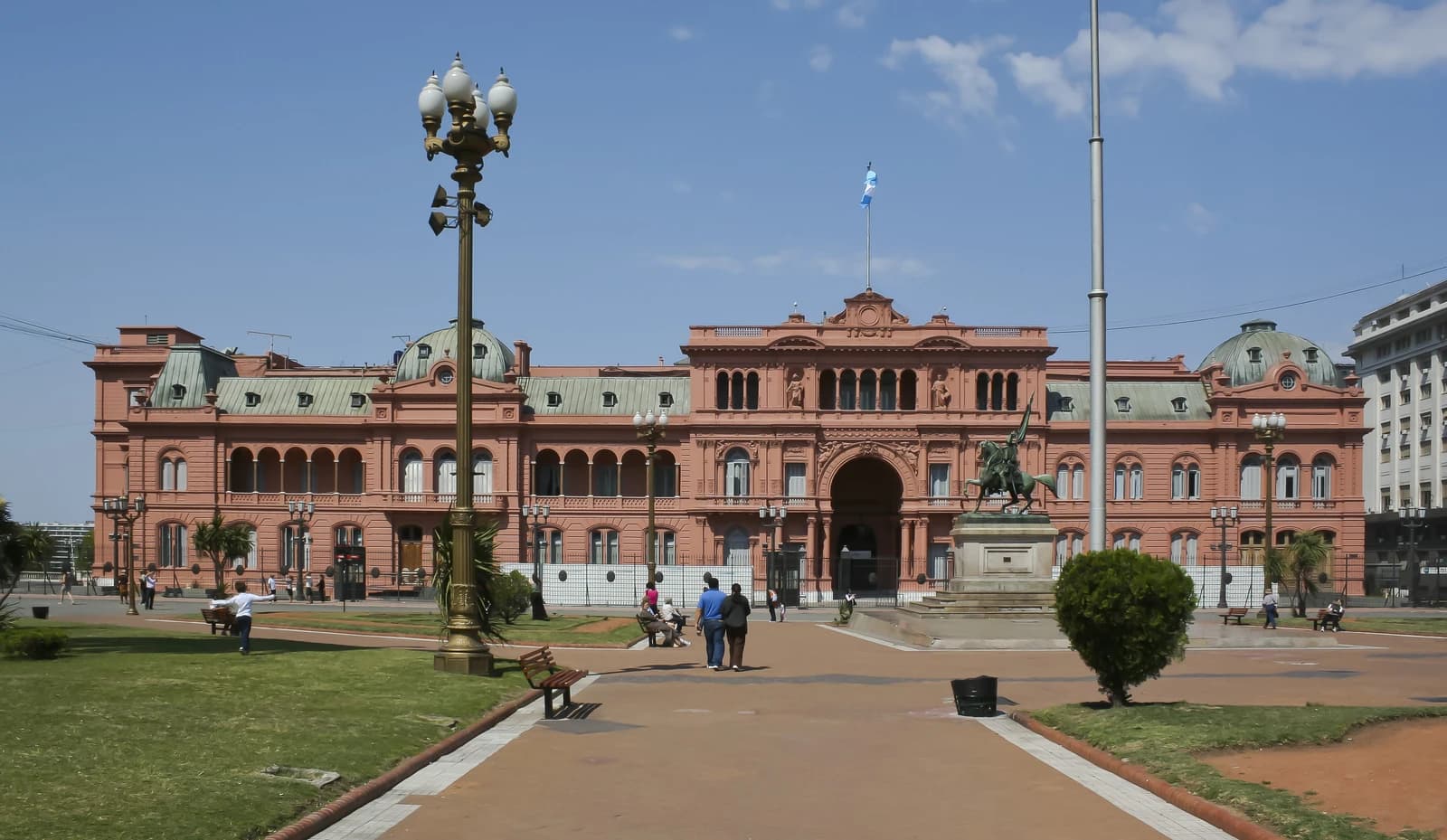
At the same time, Kicillof is building practical links with provincial governments rather than relying only on national party machinery. Misiones and Buenos Aires signed cooperation agreements on biotechnology, security, emergency management and agricultural production, underscoring an attempt to create a network of provincial alliances that could become more important if national politics remain fragmented. For markets, that matters because Argentina’s policy path often depends not just on the Casa Rosada but on the ability of provinces to negotiate, resist or implement federal reforms.
The bull case for Milei remains that inflation has been the central political battlefield and that fiscal discipline still enjoys enough public backing to survive the next election. The bear case is that if growth stays weak, salaries lag and provincial industries keep losing protection, Peronism could rebuild a coalition around bread-and-butter grievances. Kicillof’s strategy suggests the opposition is betting on exactly that.
What to watch next is whether Kicillof can convert rhetoric into an organized national structure and whether other Peronist leaders rally behind him. If he does, Argentina’s 2027 election could become not just a referendum on Milei, but a test of whether the country is prepared to return to a more interventionist model or lock in the libertarian experiment.
| Entity | Gains | Losses |
|---|---|---|
| Axel Kicillof | ▲Opposition leadership profile | ▼Immediate national-market credibility |
| Javier Milei | ▲None from this development | ▼Political space for reforms |
| Peronist base | ▲Rebuilding momentum | ▼Short-term coherence under one banner |
| Provinces and affected producers | ▲Bargaining power, possible policy alliances | ▼Less federal deregulation and public support |