Kioxia’s sharp rebound is reviving a battered memory sector as investors price in tighter supply, firmer pricing and better earnings leverage for chipmakers tied to flash storage and AI infrastructure.
Kioxia, Western Digital and Seagate rebound on memory pricing
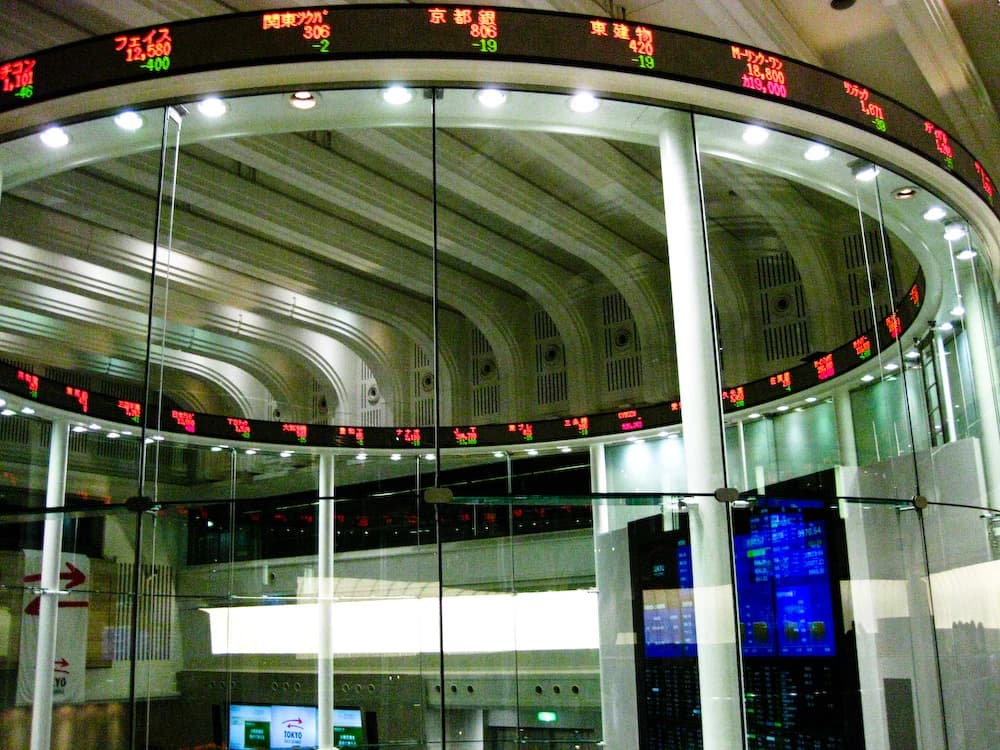
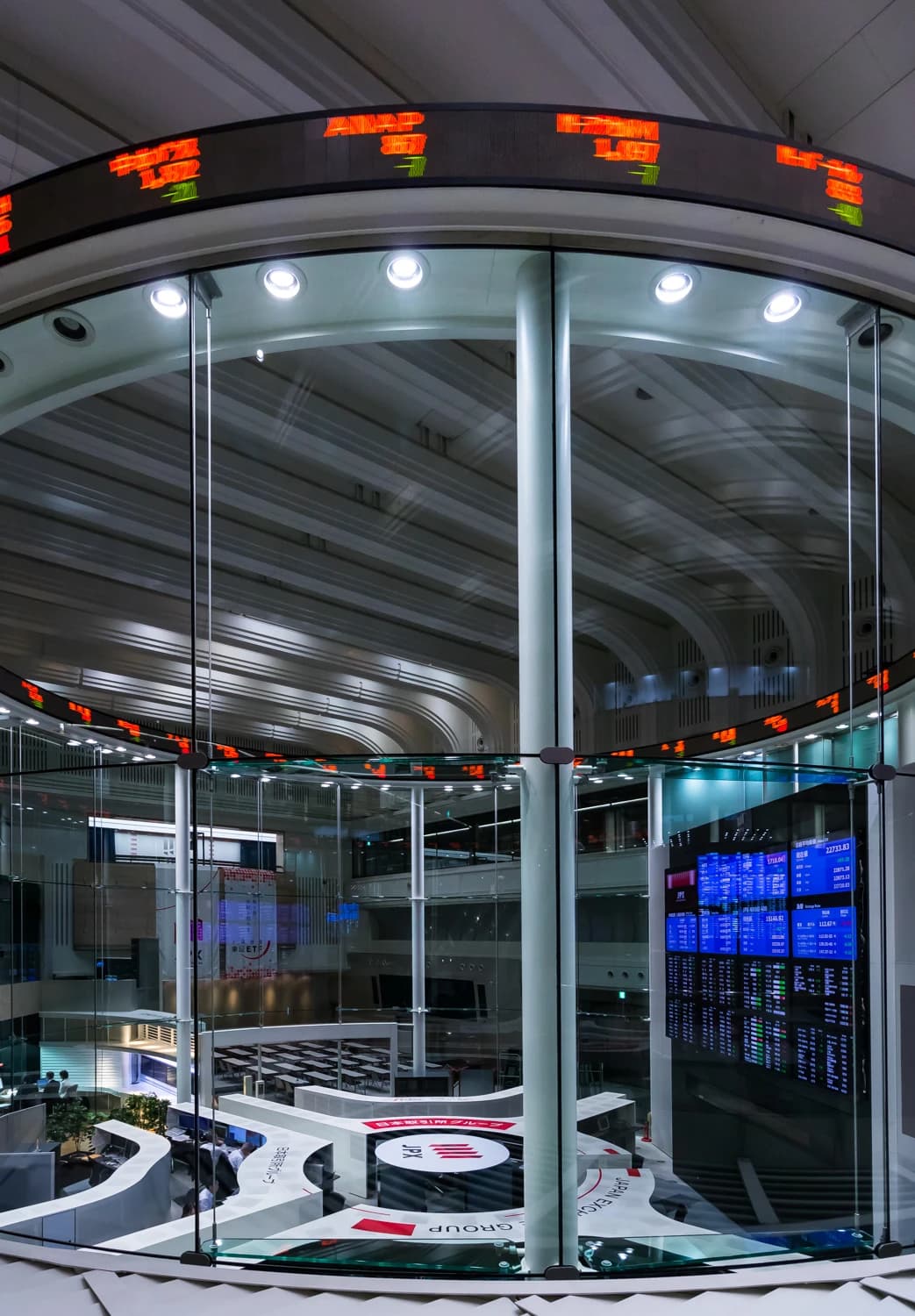
The Japanese memory maker jumped 16% in Tokyo trading, while U.S. peers Western Digital and Seagate also rose, underscoring how quickly sentiment can flip in a business where pricing and utilization move in cycles. Kioxia closed at 646.95 yen after touching 607.27 yen during the session, a move that follows a punishing selloff from levels above 1,200 yen earlier this year. The rebound matters because memory is not just another semiconductor subsector: it sits at the center of data storage demand for cloud computing, smartphones, PCs and increasingly AI systems that require massive volumes of NAND and high-capacity storage.
The market is signaling that the worst of the oversupply scare may be fading. Western Digital climbed to $292.11 from $272.45 a day earlier, while Seagate rose to $509.66 from $472.33. Those gains are important because they suggest a broad re-rating rather than a single-stock bounce. When memory prices stabilize, earnings can improve fast: production discipline and even modest pricing gains can turn into outsized margin expansion, especially for companies that have already cut costs and tightened output. That is why investors often treat memory stocks as leveraged plays on a cyclical upswing rather than steady compounders.
For Kioxia, the move is also a reminder that the market has been too quick to discount the long-term storage demand story. AI buildouts are pulling through not only GPUs and networking gear, but also the storage layers that feed and retain data. That creates a second-order opportunity for NAND suppliers and hard-drive makers alike. Seagate and Western Digital, for example, are increasingly seen as AI infrastructure beneficiaries because hyperscale customers need more capacity, not just faster compute.
The technical backdrop reinforces that view. Kioxia has been clawing back from deeply oversold levels, with its 14-day relative strength index recovering from the low 30s, while Western Digital and Seagate have also rebounded from heavily washed-out readings. These are classic signs of capitulation giving way to bargain hunting. In memory, that often marks the point where investors stop extrapolating the downcycle and start positioning for the next inflection.
The bigger investment takeaway is that memory stocks may offer one of the clearest asymmetric trades in semiconductors right now. If pricing holds and inventory continues to normalize, the sector’s earnings power can surprise to the upside far faster than consensus expects. Kioxia, Western Digital and Seagate are the names to watch, but the real trade is the recovery in the storage cycle itself. For investors willing to look ahead, this is where the next leg of AI infrastructure spending can quietly translate into equity upside.
| Entity | Gains | Losses |
|---|---|---|
| Kioxia | ▲Re-rating on rebound | ▼Bears betting on prolonged downcycle |
| Western Digital | ▲Better pricing leverage | ▼Short sellers in storage cycle |
| Seagate | ▲AI storage demand tailwind | ▼Investors expecting weak margins |
| Memory buyers | ▲More stable supply | ▼If costs rise further |