South Korea’s minimum wage for next year was set at 10,700 won an hour, a 3.7% increase that keeps the rise modest by recent standards and gives employers and policymakers a clearer read on labor-cost inflation heading into 2027 planning.
Korea Minimum Wage Rise Stays Modest
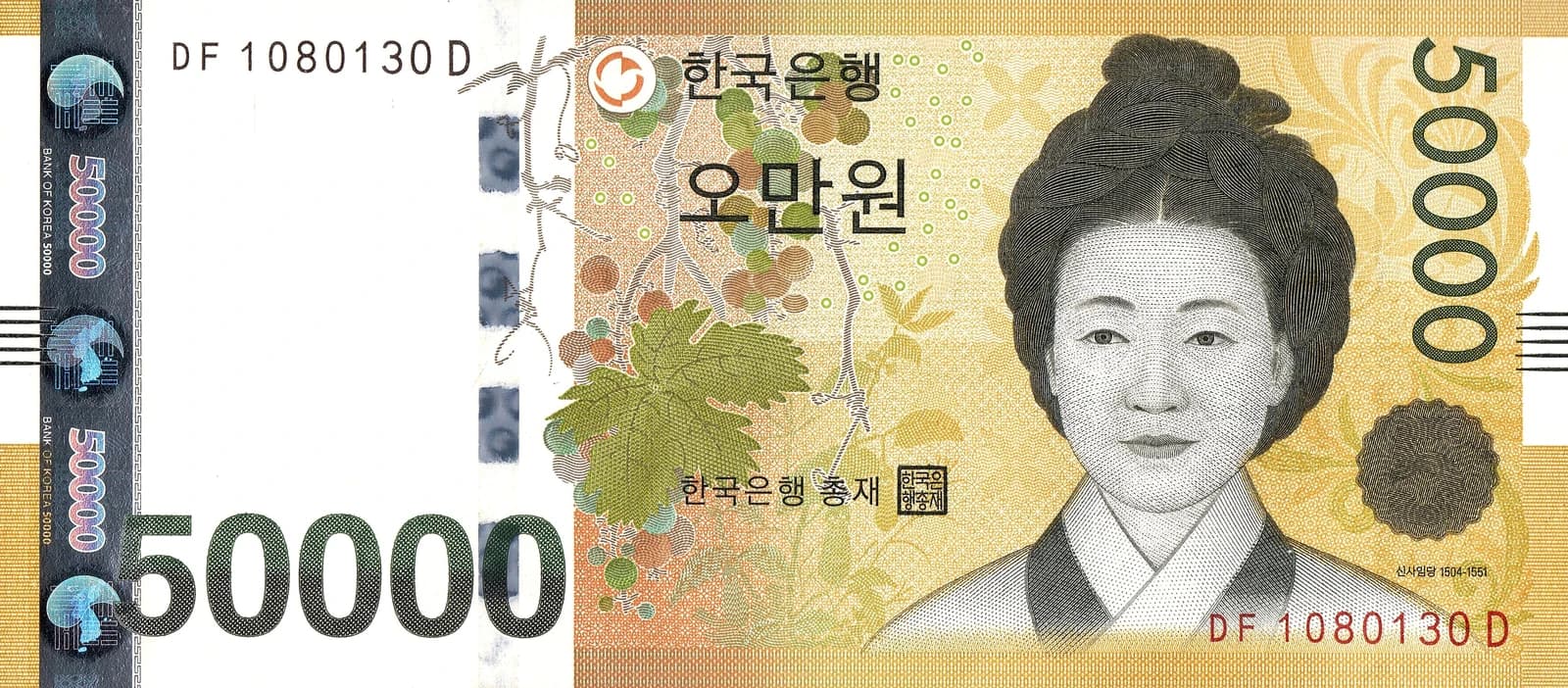
The decision matters less for the headline number than for what it says about the balance of power in a slowing economy: wage gains are still rising, but not at a pace that would force a sharp re-pricing across the country’s low-wage sectors. For small businesses, retailers, restaurants and outsourced service firms, the increase looks manageable compared with the more aggressive hikes seen in earlier years. For workers, the outcome still preserves real pay growth if inflation remains contained, but it falls short of labor’s more ambitious demands.
Sentiment IndicatorsⓘProprietary · adalytica.com · July 14, 2026
This is a snapshot — live sentiment, awareness and momentum for 130+ markets update continuously in the dashboard.Open AlphaPulse
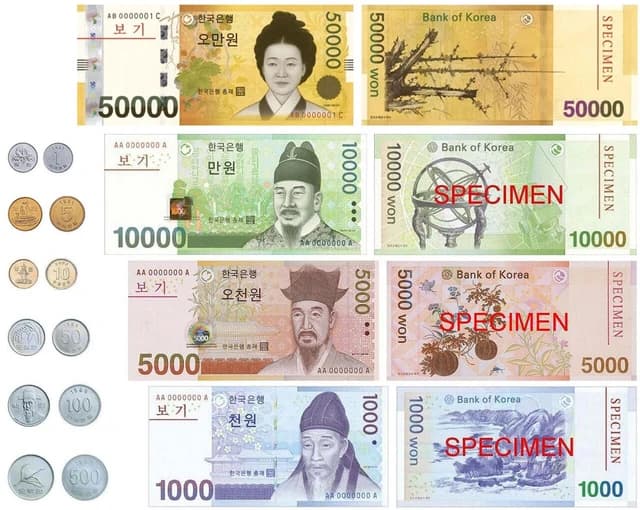
The final figure also reflects a compromise after the wage panel narrowed the gap between labor and management proposals to just 200 won, underscoring how little room remains for a more dramatic move. Labor had sought 10,770 won an hour while management pushed for 10,640 won, a sign that both sides were converging on a middle ground as the committee moved toward a final ruling. The settlement reduces policy uncertainty at a time when business owners have been warning that fast wage gains would squeeze margins and accelerate hiring restraint.
Economically, the increase should be read alongside South Korea’s broader battle against cost-of-living pressures and weak domestic demand. A smaller minimum-wage step can ease pressure on payrolls and help preserve jobs in labor-intensive industries, but it also limits household income support at the bottom end of the labor market. That trade-off is central for a consumer-led economy where spending power and employer cost discipline pull in opposite directions. The government’s willingness to accept a moderate rise suggests it is prioritizing stability over a sharper redistribution of income.
For investors, the implications are uneven. Companies with large exposure to entry-level labor should face less margin risk than if wages had risen more aggressively, which is supportive for domestic consumer, retail and service names. Exporters, which are more driven by external demand and the won, are less directly affected, though the signal of restrained labor inflation may help keep broad inflation expectations in check. On the other side, labor advocates will likely argue that the increase is still inadequate given living-cost pressures, leaving open the possibility of further political pressure for social support measures.
Adalytica’s wage inflation sentiment gauge was in extreme fear territory, while CPI sentiment also showed extreme fear, reflecting how sensitive the market remains to the inflation-growth trade-off. The minimum wage settlement fits that picture: policymakers are trying to avoid reigniting price pressure while preventing a deeper squeeze on lower-income households.
The next focus will be whether the government pairs the wage decision with broader support for vulnerable workers and small firms, and whether platform-worker protections or social insurance changes are folded into the labor agenda. For investors, the key takeaway is that Korea’s wage-setting process appears to be tilting toward incrementalism rather than a disruptive cost shock, which lowers one near-term risk for domestic earnings but also highlights the fragility of household demand.
| Entity | Gains | Losses |
|---|---|---|
| Small businesses | ▲Slower cost pressure | ▼Less labor policy relief |
| Low-wage workers | ▲Higher hourly pay | ▼Smaller-than-expected raise |
| Domestic consumer firms | ▲Better margin visibility | ▼Limited demand boost |
| Labor advocates | ▲No major defeat | ▼Missed bigger wage gain |