Korean Banks Rally on AI Fraud Detection
AI-driven anti-fraud tools are becoming one of Korea’s clearest enterprise winners, and the market is starting to price that in.
The big investment takeaway is that fraud detection has moved from a compliance line item to a productivity lever. In a country where digital payments, broker activity and online financial services are deeply embedded, faster screening and fewer false positives mean lower operating costs, less customer friction and better margins for the banks and platforms that can automate trust.
That matters because the next phase of AI adoption is not just about generative chatbots or headline-grabbing model releases. It is about infrastructure that makes digital commerce safer and cheaper to run. When AI can flag suspicious transactions in real time, institutions can process more volume without throwing as many human resources at manual review. That is the kind of efficiency that compounds.
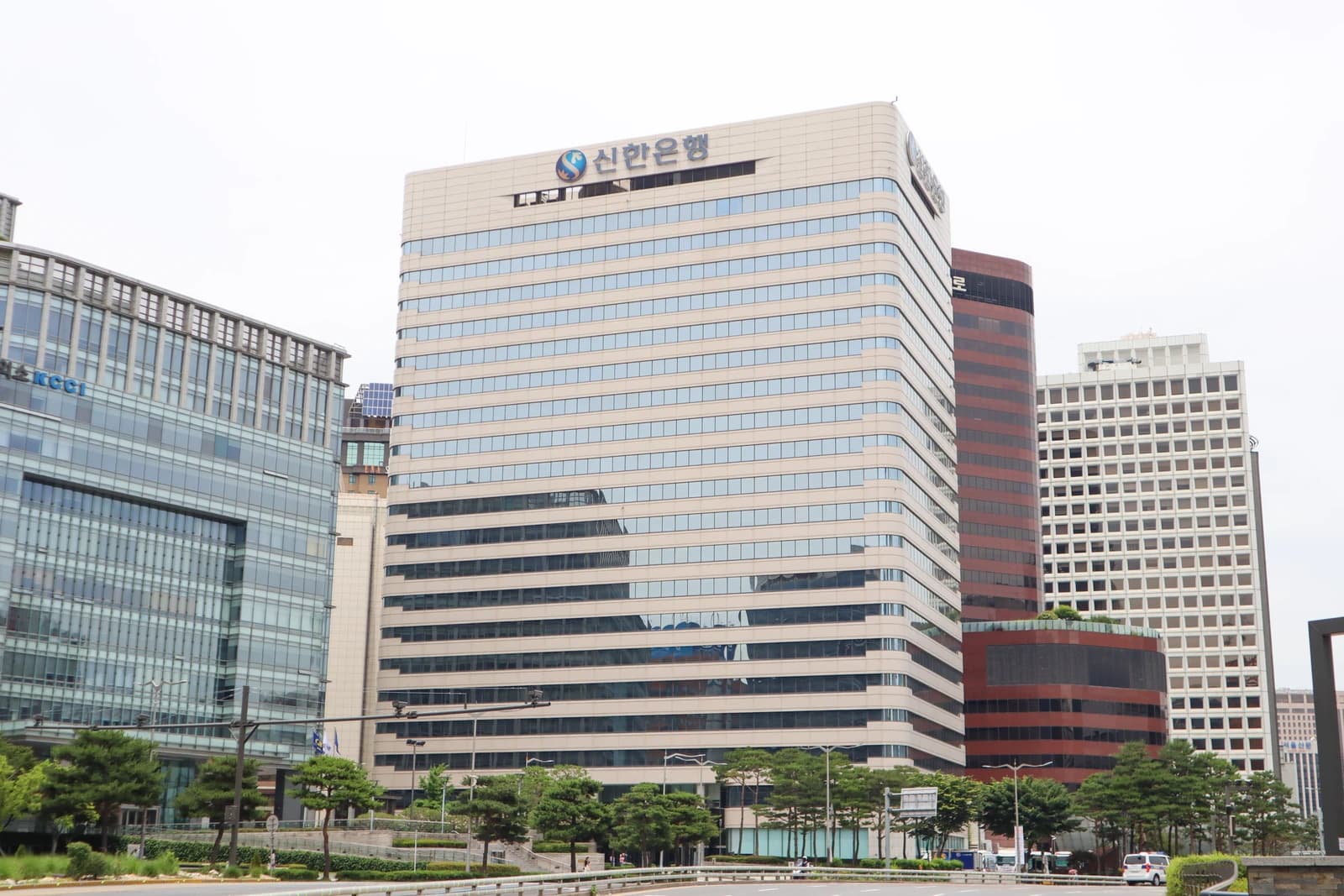
The rally in KB Financial Group and Shinhan Financial Group shows investors are already rewarding that story. KB has climbed to 116.04 from 89.31 in early January, while Shinhan has risen to 73.56 from 55.06 in November. Both stocks remain above their 50-day and 200-day moving averages, suggesting the uptrend is intact even after recent pullbacks. The broader message is that Korea’s financial sector is being treated less like a slow-growth rate proxy and more like a beneficiary of AI-enabled operating leverage.
This is also where the market may be underestimating the second-order winners. Anti-fraud platforms create value not because they are flashy, but because they sit in the highest-cost pain point of digital finance: losses from scams, verification delays and manual intervention. As cybercrime gets more sophisticated, the institutions that can use AI to secure transactions faster will widen the gap against rivals that still rely on legacy rule-based systems.
The current Adalytica AI sentiment reading is in “Fear” territory at 18, with awareness in “Extreme Fear,” a sign that the broader AI trade remains prone to sharp mood swings. That is exactly why security and fraud detection may offer a better risk-adjusted way to play the theme. Investors do not need to chase the most speculative AI names to benefit from the buildout; they can own the picks-and-shovels layer where adoption is tied to real cost savings and regulatory necessity.
In practical terms, the beneficiaries are likely to be Korea’s large banks, payment processors, security software vendors and the infrastructure providers that help them deploy AI at scale. The losers are the labor-heavy compliance models, slower-moving incumbents and fraudsters themselves, who face a tighter net every quarter.
The thesis is straightforward: AI security in Korea is not a niche defensive upgrade, it is an efficiency revolution with direct earnings implications. For investors, that means looking past the hype cycle and toward the institutions and software providers that can turn trust into a margin advantage.
| Entity | Gains | Losses |
|---|---|---|
| Korean banks | ▲Lower fraud losses, better margins | ▼Manual review costs |
| AI anti-fraud vendors | ▲Faster adoption, sticky contracts | ▼Legacy security systems |
| Payment platforms | ▲More transaction volume, less friction | ▼Scam exposure |
| Fraudsters | ▲— | ▼Detection rates, room to operate |