Kraków opens 54 million zł civic budget voting
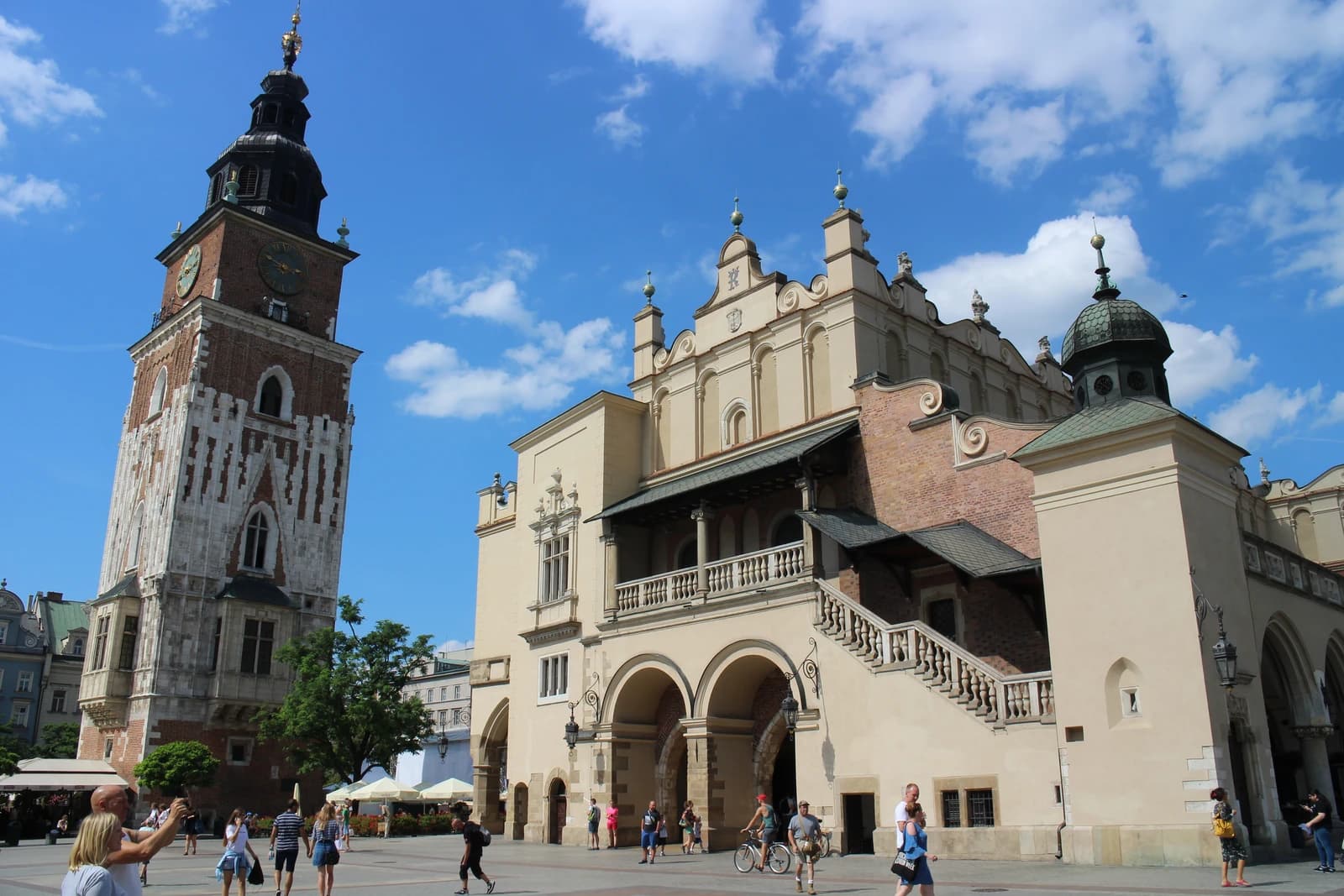
Kraków has started voting in its 54 million złoty civic budget, giving residents a direct say over how municipal money is spent and testing new rules designed to make the process more transparent and better reflect local preferences.
The allocation is meaningful because the projects selected now will shape neighborhood-level spending in one of Poland’s largest cities, steering money toward small infrastructure, public-space upgrades and other local priorities that can have an outsized effect on quality of life and municipal demand. The city is putting 43.2 million złoty toward district projects and 10.8 million złoty toward citywide proposals, up from 51 million złoty last year.
Officials say the new voting system allows each eligible resident with a PESEL number, regardless of age or nationality, to back up to six projects, with at least one district and one citywide choice required for a valid ballot. Voters can assign one to three points to each selected project, a change meant to separate simple support from stronger preferences.
The process is available online through budzet.krakow.pl, in the city’s mKraków app and at designated in-person voting points run by municipal staff. Winners are due to be announced by Nov. 13, after residents choose from a project list that last year included 737 proposals and resulted in 185 selections.
For investors and businesses, the broader relevance is less about the budget’s size than about what it says on local execution: Kraków is channeling spending through a more participatory model that can influence small contractors, service providers and neighborhood development plans. The outcome will also be watched as a gauge of civic engagement ahead of future municipal budgeting rounds.
| Entity | Gains | Losses |
|---|---|---|
| Kraków residents | ▲More say over local spending | ▼Less direct control by city hall |
| Local project sponsors | ▲Chance to win funding | ▼Projects not selected |
| Municipal contractors | ▲Potential new work orders | ▼Limited budgets for losers |
| City administration | ▲Broader participation data | ▼Higher process complexity |