Kroger to Close 60 Fred Meyer Stores
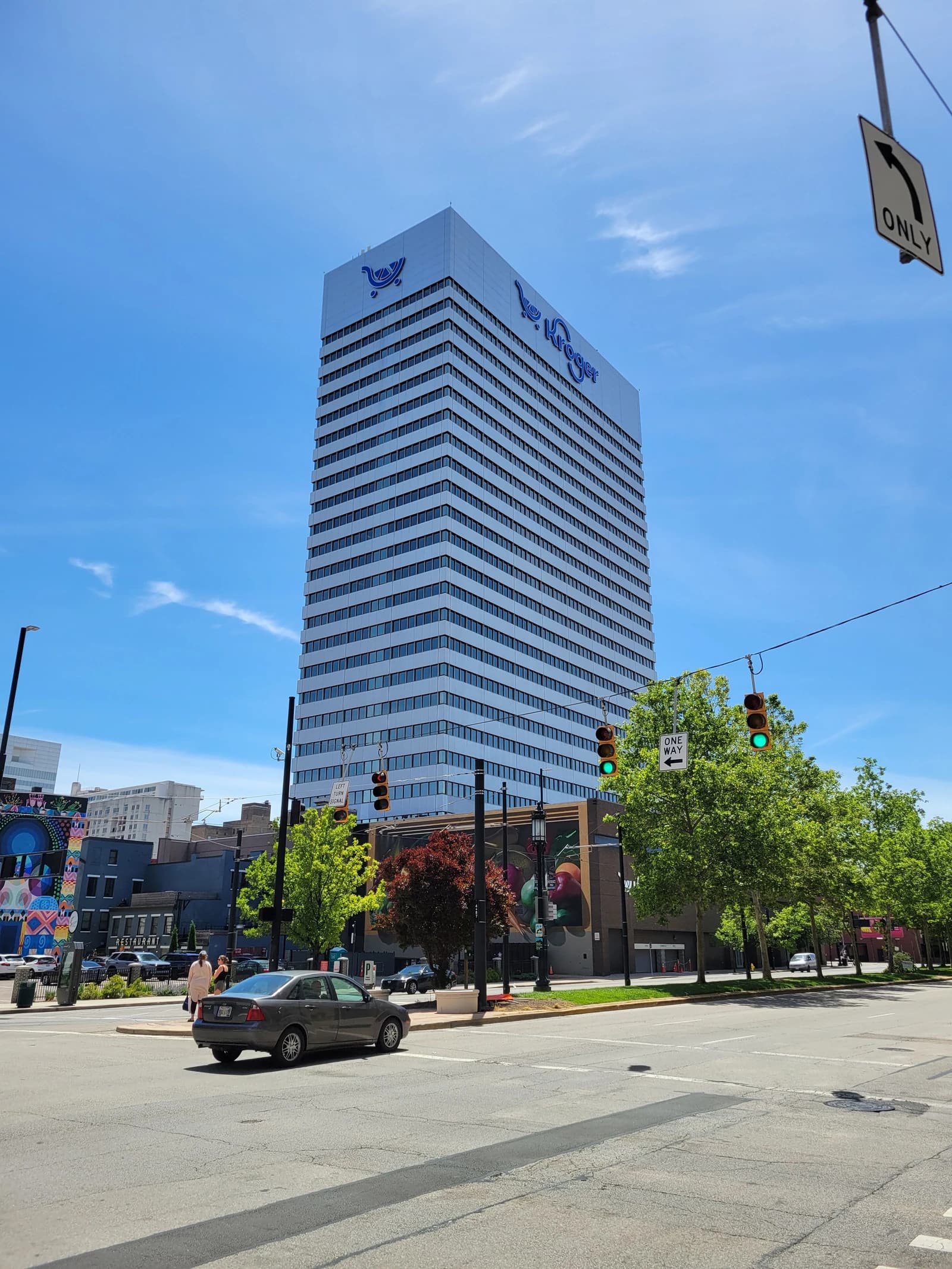
Kroger’s decision to shut 60 stores across its Fred Meyer network is the most important development because it points to a retailer rebalancing its physical footprint at a time when grocers are still generating sales growth but facing pressure to defend margins, control costs and preserve traffic.
The closures will hit a chain with deep roots in the Pacific Northwest and a large unionized workforce, including about 100 workers at one Tacoma store due to close when its lease expires on Jan. 30, 2027. For local communities, the impact is immediate: fewer nearby options for food, prescriptions and essentials, especially for lower-income households, older customers and people reliant on public transit.

For Kroger, the move is less about retreat than triage. The company is pruning underperforming or redundant locations to concentrate capital on stores with better economics, a strategy increasingly common across food retail as operators confront thin margins, higher labor costs and the need to invest in pricing, supply chains and digital fulfillment. Kroger’s recent filings show the company still depends on steady cash generation from operations, which makes store-level discipline critical if it wants to keep funding reinvestment and shareholder returns.
The closure plan also underscores how grocery chains are being forced to reconcile scale with profitability. Fred Meyer, founded in 1922 and bought by Kroger in 1999, has long been one of the region’s dominant one-stop-shopping formats. But even legacy banners can lose relevance if trade areas overlap, leases roll off or traffic shifts toward newer competitors and more convenient formats. Tacoma’s city government and the UFCW union both warned the shutdown could widen access gaps, highlighting the difference between a balance-sheet decision and a community one.
Investors will view the cuts through two lenses. Bulls can argue the closures should improve productivity, sharpen store economics and support Kroger’s long-term margins. Bears may see the move as evidence that even established grocery banners are under strain in a competitive market where customers remain price-sensitive and location matters more than ever. Walmart and other large grocers are still reporting resilient food demand, but that has not stopped retailers from rationalizing footprints where returns no longer justify the rent.
The key question now is whether this is a one-off cleanup or the start of a broader restructuring of Kroger’s store base. If the company can exit marginal sites without losing meaningful sales, the move could strengthen earnings quality. If the cuts signal deeper traffic weakness in certain markets, the benefits may be slower to show up than the social costs.
| Entity | Gains | Losses |
|---|---|---|
| Kroger | ▲Lower costs, better store mix | ▼Near-term closure expenses |
| Fred Meyer survivors | ▲More focused capital spending | ▼Less local footprint |
| Workers and Tacoma shoppers | ▲— | ▼Job losses, fewer nearby stores |
| Walmart and rivals | ▲Potential share gains | ▼— |