Kroger Faces Pricing Allegations and Margin Risk
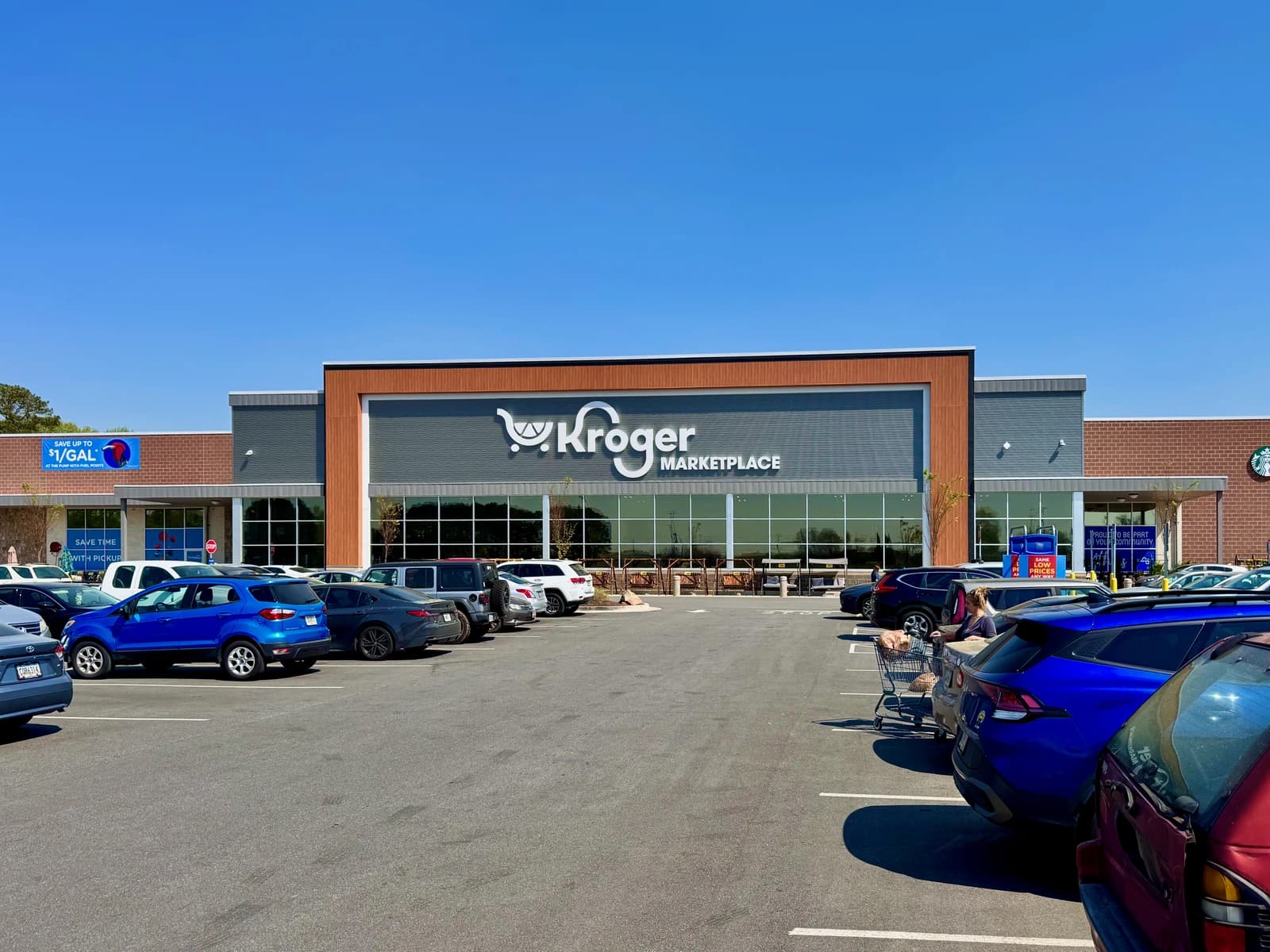
Kroger is facing fresh pressure over pricing practices just as consumers remain highly sensitive to grocery bills and regulators lean harder into affordability, a combination that raises reputational, legal and margin risks for the Ohio-based supermarket giant.
The accusation matters because food retail sits at the center of household inflation. Groceries are one of the few categories consumers shop repeatedly and can benchmark quickly, making any allegation of frequent overpricing especially damaging in an environment where policymakers are already trying to blunt cost-of-living pressure ahead of holiday demand. For Kroger, the issue goes beyond public relations: sustained pricing scrutiny can affect traffic, bargaining power with suppliers and the company’s ability to defend margins without alienating shoppers.
The timing is awkward for the sector. The latest consumer-spending backdrop, as tracked by Adalytica’s Consumer Spending Sentiment gauge, shows extreme greed, suggesting households are still willing to spend even as they remain alert to value. That is a favorable setup for retailers that can prove price competitiveness. It is a difficult one for a grocer accused of charging too much. In such an environment, a pricing scandal can quickly become a market-share story, especially if shoppers migrate to chains that are perceived as sharper on everyday value.
Kroger’s own financial filings point to a business still leaning on pricing and mix. In its most recent quarterly filing, total sales rose 2.0% year over year in the second quarter, helped by supermarket fuel sales and identical sales excluding fuel. Fuel alone lifted first-half sales 23.1%, largely because average retail fuel prices were higher. That suggests the company has not been relying on volume growth alone, and that any finding of overpricing could invite closer scrutiny over how much of its topline strength comes from pricing power versus demand.
Investors are likely to focus on whether the allegations are isolated or structural. If the issue is limited to a handful of price discrepancies, the damage may be manageable. But if regulators or consumer advocates frame the problem as systemic, Kroger could face heavier compliance costs, promotional pressure and a more aggressive response from competitors. Walmart and Costco, which trade heavily on price credibility, stand to benefit if the debate pushes shoppers to compare baskets more closely. The risk for Kroger is that a trust discount begins to appear in the stock before it shows up in the income statement.
Technically, Kroger shares have already been volatile, with the stock trading below its 200-day average and recent momentum improving only modestly from earlier weakness. That does not by itself make the stock vulnerable, but it means the market has little room for a fresh reputational hit. If the overpricing claims gather traction, investors may demand evidence that Kroger can preserve traffic without leaning on aggressive pricing. If management can contain the episode and reinforce value messaging, the shares could recover on the view that food retail remains defensive. The next catalyst will be whether the accusations lead to formal action, broader consumer backlash or simply another reminder that in grocery, trust is part of the pricing model.
| Entity | Gains | Losses |
|---|---|---|
| Kroger | ▲Less if allegations spread | ▼Reputation and pricing power |
| Walmart | ▲Value-positioning edge | ▼Little direct exposure |
| Costco | ▲Trust in low-price model | ▼Potentially higher scrutiny on peers |
| Consumers | ▲More price pressure relief if rivals respond | ▼Risk of paying more than expected |