Kroger, Walmart, Costco and grocery loyalty programs
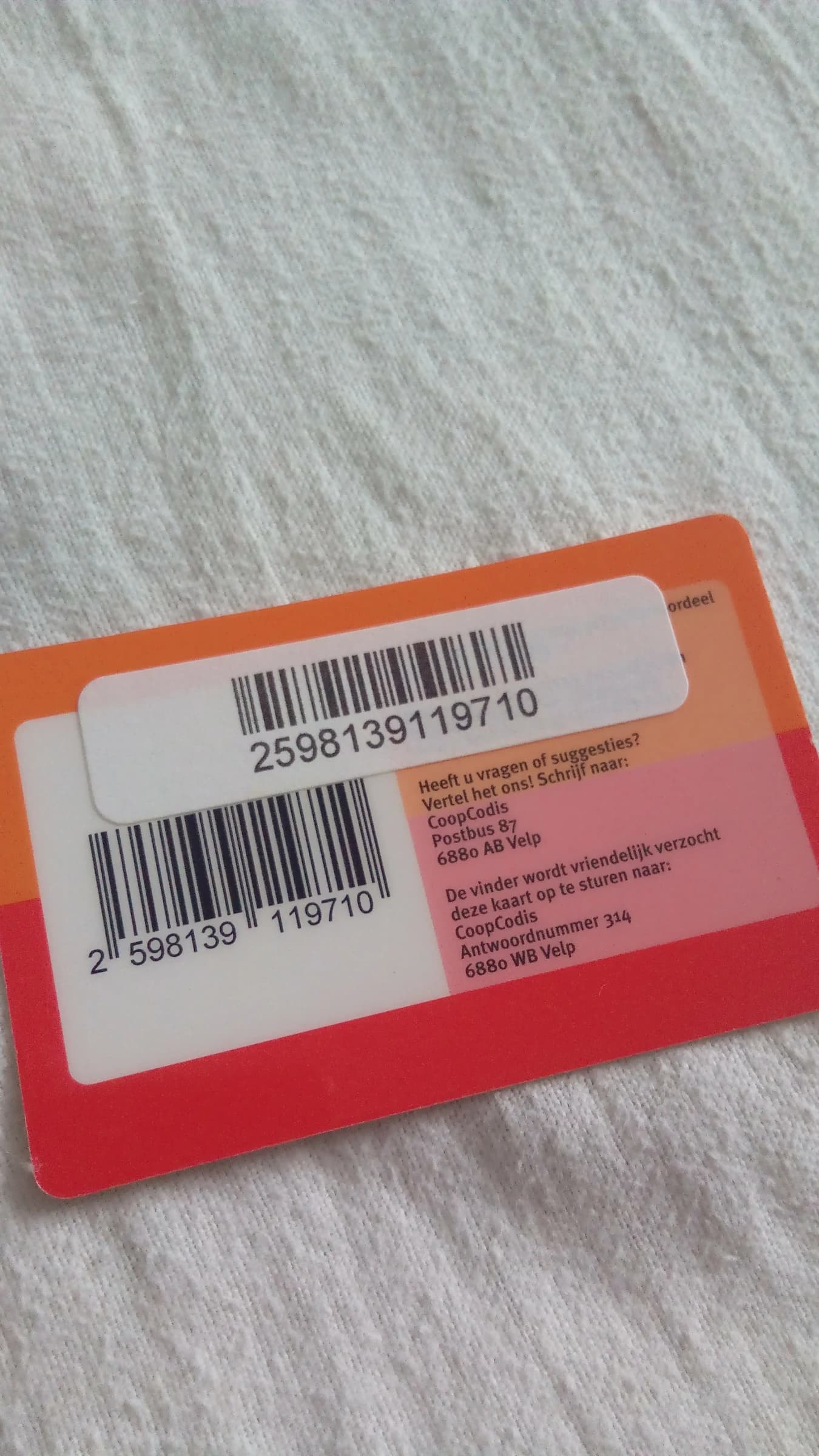
Shoppers leaning on supermarket loyalty schemes are being forced to check the fine print as grocery chains sharpen price competition and rewards rules increasingly determine how far household budgets stretch.
That matters because food inflation has left consumers highly sensitive to the real value of points, vouchers and member discounts, turning loyalty programs from a marketing add-on into a cost-of-living tool. In an environment where even small savings can decide where families shop, expired rewards can quietly erode the affordability benefits retailers advertise.
The pressure is showing up across the sector. Two supermarkets have recently cut essential-grocery prices by 7%, overtaking Lidl as the cheapest option for consumers, underscoring how aggressively chains are trying to win price-conscious households. At the same time, a dairy farmer has launched an app to help shoppers find cheaper grocery options, a sign that consumers are actively hunting for bargains rather than waiting for supermarkets to deliver them.
For retailers, that means loyalty mechanics are becoming more important to traffic, basket size and retention. Programs that expire rewards too quickly can frustrate shoppers and push them to rivals, especially when basic staples are being repriced and comparison shopping is easier. Chains that let points roll over or offer transparent redemption windows may keep more households locked in, but they also absorb more of the margin cost of discounting.
The stakes are also visible in investor sentiment. Kroger, Walmart and Costco all trade in a market where grocery pricing power and customer stickiness matter, but each faces a different mix of exposure. Kroger’s share price has recently weakened, while Walmart has recovered from a deep mid-year selloff and Costco remains the premium multiple name, reflecting the market’s preference for businesses that can protect traffic without giving away too much margin.
Technical indicators suggest that optimism is still cautious. Kroger’s share price has slipped below its 200-day moving average, while Walmart has climbed back above that level and Costco remains comfortably above it. That divergence implies investors see stronger pricing and loyalty execution at the top end of the market, even as value-focused grocers stay under pressure to defend volume.
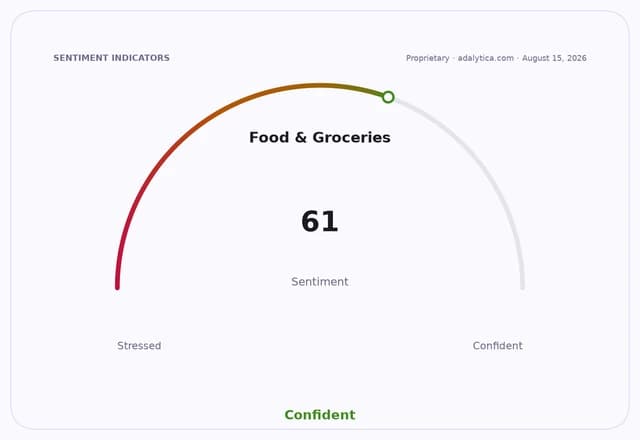
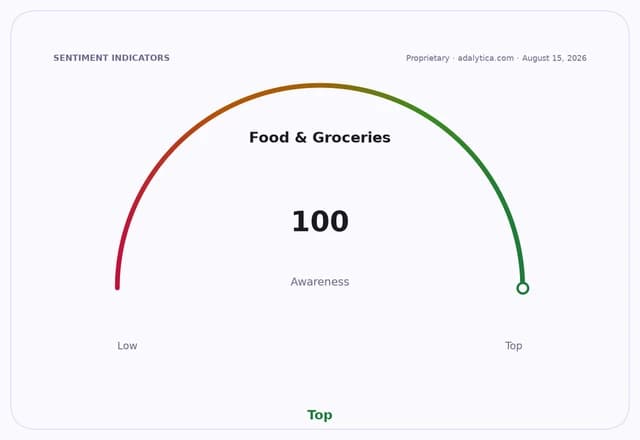
Adalytica’s Food and Grocery Spending Sentiment shows consumers remain highly engaged with affordability, while Consumer Spending Sentiment is neutral but improving. That combination suggests shoppers are still willing to switch for savings, and reward programs that expire or complicate redemption may lose relevance quickly unless retailers make them easier to use.
The broader narrative is straightforward: in a grocery market defined by price cuts, coupon hunting and digital comparison tools, loyalty rewards are no longer just a retention perk. They are part of the household inflation story — and a small operational detail such as expiry dates can decide who wins the next trip to the store.
| Entity | Gains | Losses |
|---|---|---|
| Shoppers | ▲Lower bills | ▼Expired rewards |
| Price-cut grocers | ▲Higher traffic | ▼Margin pressure |
| Rival chains | ▲Need to match discounts | ▼Customer outflows |
| Grocery investors | ▲Clearer winners | ▼Retailers with weak loyalty execution |