Kroger, Walmart and Costco face NYC grocery-store plan
Kroger investors may want to pay attention to a simple rule of thumb making the rounds on this controversy: if you shuck it, buy it. The bigger message behind New York City’s plan for five publicly backed grocery stores is that food affordability is becoming a political issue again, and that puts pressure on the retailers that have built their business on scale, convenience and low prices.
The proposal from Mayor Zohran Mamdani would offer discounts of about 30% on essentials such as meat, seafood, milk and bread. That sounds consumer-friendly, and it is. But for investors, the real question is whether government-run stores can lower grocery bills without creating a mess of hidden costs, distorted pricing and unfair competition for private chains.
That matters because grocery retail is a volume game with thin margins. If the city uses taxpayer money to undercut existing stores, the immediate winners are budget-conscious shoppers. The likely losers are incumbents such as Kroger, Walmart and Costco, which depend on steady traffic, efficient inventory turnover and pricing discipline to protect earnings. Kroger, in particular, has already been trying to navigate a volatile consumer backdrop, and its shares have fallen sharply from a summer high near $70 to the mid-$50s, even as the stock’s recent bounce suggests investors are still debating how durable its business really is.
The market backdrop is mixed. Kroger’s stock closed at $56.73 on Aug. 7, down from a 2026 peak above $70 and below its 200-day moving average, a sign the long-term trend has weakened. Walmart, meanwhile, is trading around $111.85, also under its 200-day average after a steep selloff from above $130 earlier this year. Costco, at $947.82, remains far stronger relative to its history, but even there the stock has come off its highs after a violent swing in recent months. None of these names is being judged solely on New York City’s experiment, of course. But public pressure on groceries reinforces a theme investors should not ignore: consumers are still hunting for value, and policymakers are increasingly willing to intervene when they think the market is not delivering it.
That is where the investment case gets interesting. Grocery retailers with scale, supply-chain muscle and loyal customers can often survive political theater better than smaller rivals. Walmart and Costco have durable competitive advantages that are hard for a city program to replicate, from purchasing power to logistics to membership economics. Kroger’s case is more nuanced. It can still benefit if affordability drives more traffic to big chains, but it also faces the risk that public pricing pressure makes it harder to widen margins or pass through costs.
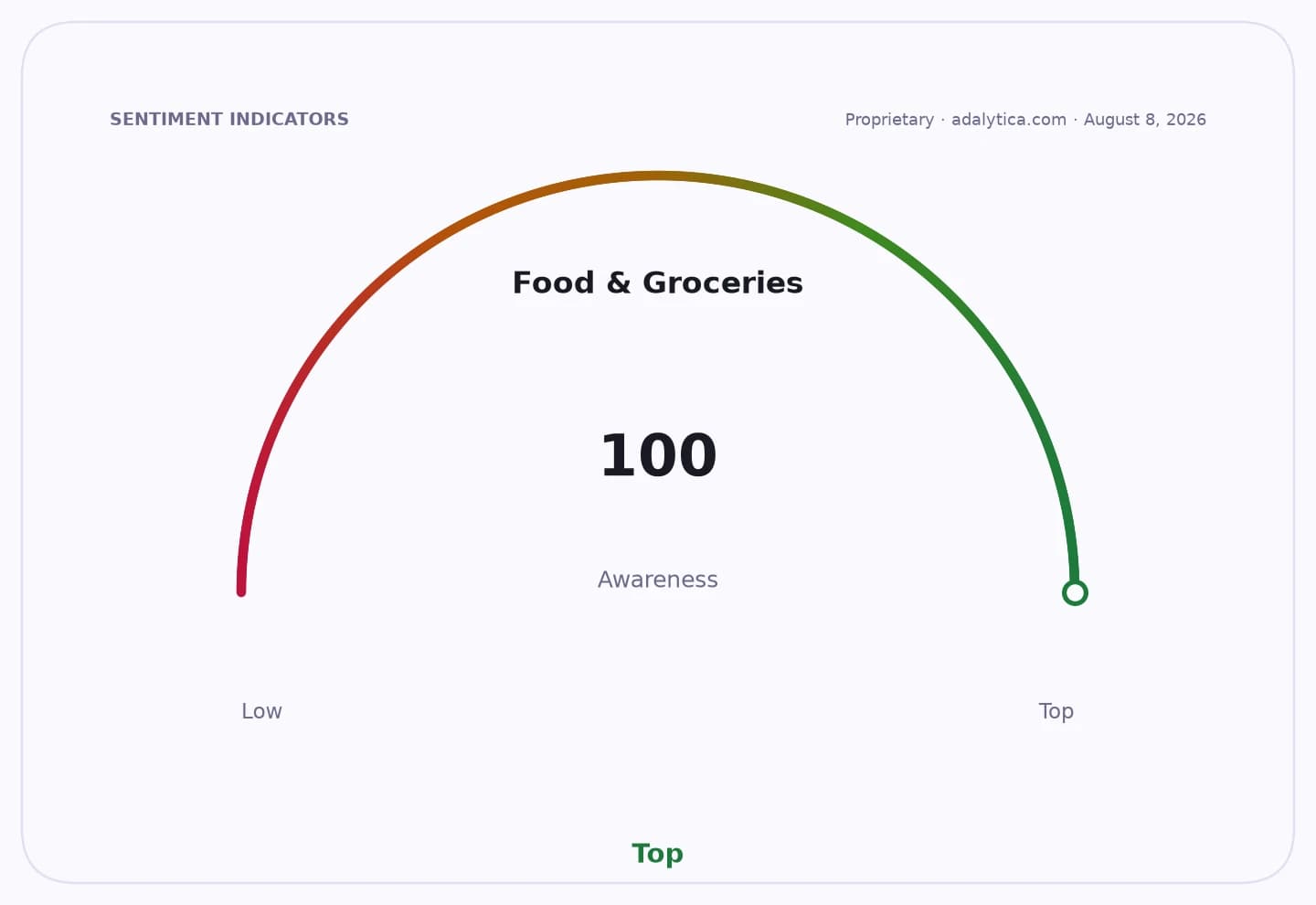
There is another layer here for long-term investors: consumer sentiment around food and grocery spending, according to Adalytica’s Food and Grocery Spending Sentiment gauge, has cooled to neutral even as broader consumer spending sentiment sits at extreme greed. In plain English, households may still be willing to spend, but they are clearly more sensitive to grocery prices than to many other categories. That is exactly the environment that tends to spur political backlash and keep discount-oriented retailers in the spotlight.
For investors, the right takeaway is not to chase headlines, but to watch which companies can keep growing free cash flow while protecting customer loyalty in a price-conscious market. Public grocery stores may never amount to more than a local experiment, yet the debate they trigger could shape pricing expectations far beyond New York. In a sector where pennies matter, that is worth watching closely — and for patient investors, it is a reminder to favor the retailers with real moats and the discipline to hold them for years.
| Entity | Gains | Losses |
|---|---|---|
| NYC shoppers | ▲Lower prices on essentials | ▼Fewer private options |
| Kroger | ▲Traffic from value seekers | ▼Margin pressure |
| Walmart | ▲Value positioning reinforced | ▼Political scrutiny |
| Costco | ▲Membership moat highlighted | ▼Less pricing slack |