Kumars build A$40 million property portfolio
A married Australian couple has built a 103-property portfolio worth about 40 million Australian dollars by leaning on bank debt, equity recycling and steady rental income, a case that underlines how leverage and housing scarcity can turn real estate into a long-duration income stream.
Victor and Reshmi Kumar’s holdings, which span houses, apartments, commercial assets, land parcels and joint ventures, now generate about US$2.1 million, or more than 54 billion Vietnamese dong, in annual rent. The scale matters because it shows how a modest initial investment can compound over decades when rising asset values, bank lending and rental cash flow are reinvested into the next acquisition.
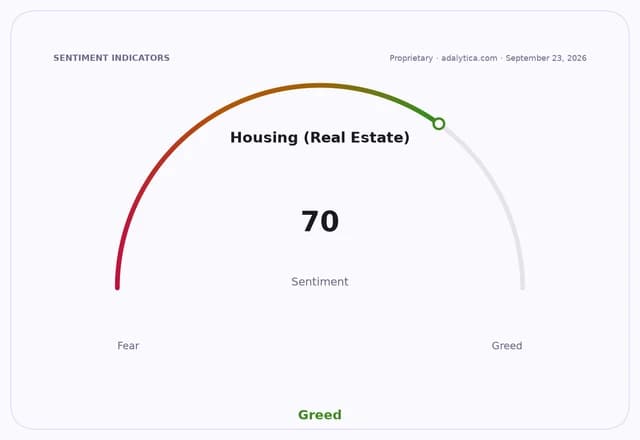
For investors, the story is a reminder that property wealth is often built less through one big call than through balance-sheet management. Kumar said the portfolio carries debt equal to about 27% of its value, a level that helps explain how the couple kept buying without waiting for cash purchases. The model works best when asset values rise, credit remains available and rental income comfortably covers borrowing costs and maintenance.
That leverage, however, is also the fragility. When interest rates climb, financing costs can erode returns and force landlords to raise rents or slow acquisitions. Kumar’s comments on policy risk reflect a broader concern across housing markets: tax changes, transaction costs and higher ownership expenses can ripple through to rents, tenant affordability and ultimately demand for owner-occupancy.
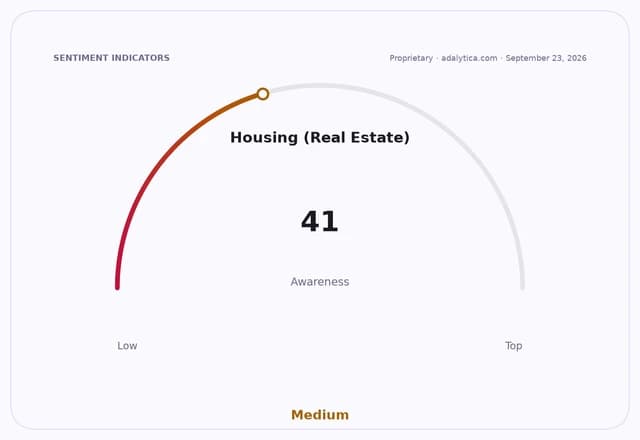
The couple’s experience also highlights a structural tension in housing markets, including Australia’s, where supply constraints support landlords but make home ownership harder for renters. Kumar argued that rising costs for developers and buyers, including taxes and transfer fees, are eventually passed through to prices. That dynamic keeps existing owners insulated while delaying first-home purchases for households without asset equity.
The implications extend beyond one family’s portfolio. In markets where supply is tight and credit is accessible, property can behave like an income-producing business rather than a passive asset, rewarding those who can borrow against earlier gains. But the same structure can amplify risks if policy shifts, vacancies rise or rents fail to keep pace with financing costs.
For investors, the lesson is that real estate returns are increasingly a function of financing discipline, not just location. The Kumars’ path shows the upside of patient compounding, but also why highly leveraged landlords remain exposed to interest-rate cycles, tax settings and any deterioration in rental affordability.
| Entity | Gains | Losses |
|---|---|---|
| Victor and Reshmi Kumar | ▲Rental income and asset appreciation | ▼Higher-rate or tax shocks |
| Existing leveraged landlords | ▲Equity compounding | ▼Financing-cost pressure |
| Renters and first-home buyers | ▲Limited near-term relief if supply rises | ▼Higher rents and slower entry to ownership |
| Banks and lenders | ▲Interest income and loan growth | ▼Credit stress if property values weaken |