A young worker’s search for a job at a 2026 fair in Balikpapan may look local, but it sits inside a bigger and more investable story: the labor market is still generating jobs, yet the quality of those jobs and the mismatch between workers and employers are becoming the real economic pressure point.
Labor Churn Favors Staffing and Job Platforms
That matters because the U.S. labor backdrop remains resilient on paper. The unemployment rate has edged down to 4.2% from 4.3% in April, while nonfarm payrolls are still advancing, rising to 158,984,000 in June from 158,798,000 in April. Job openings, meanwhile, rebounded to 7.59 million in May after dipping in March. On the surface, that is not a labor market in collapse. But for workers like Leo, and for employers trying to fill roles, the signal is more complicated: hiring is happening, but not evenly, and not always in the places or sectors where people are looking.
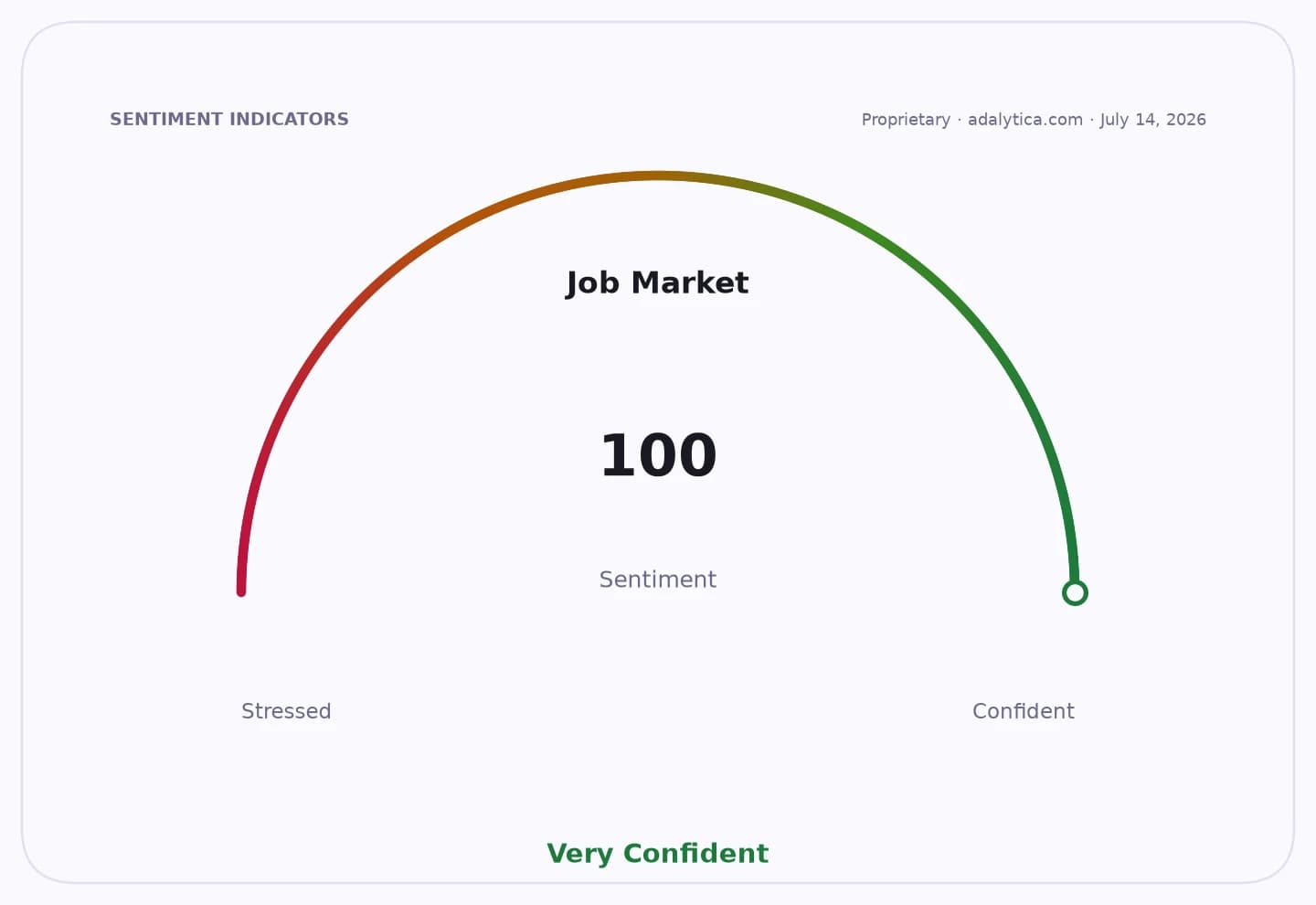
Sentiment IndicatorsⓘProprietary · adalytica.com · July 14, 2026
This is a snapshot — live sentiment, awareness and momentum for 130+ markets update continuously in the dashboard.Open AlphaPulse
That is exactly why job fairs still matter. They are a live read on labor frictions — the gap between available workers, the roles employers actually need filled, and the geographic or industry shifts shaping where opportunity exists. In a world where industrial consolidation is triggering layoffs in heavy industry even as other regions are advertising thousands of vacancies, the market is underestimating how much churn sits beneath headline employment numbers.
The divergence is important for investors because it points to a labor economy that is not broad-based so much as reallocated. That tends to favor businesses built around matching, mobility, training, and workforce logistics rather than old-line employers exposed to cyclical layoffs. It also reinforces a deeper thesis: the next phase of labor-market value creation will come from platforms and services that help workers move to opportunity faster, not from static employment structures.
UNRATE vs JTSJOL — macro contextadalytica.com
Explore this data interactively — full history, time series and cross-market comparisons.Open AlphaPulse
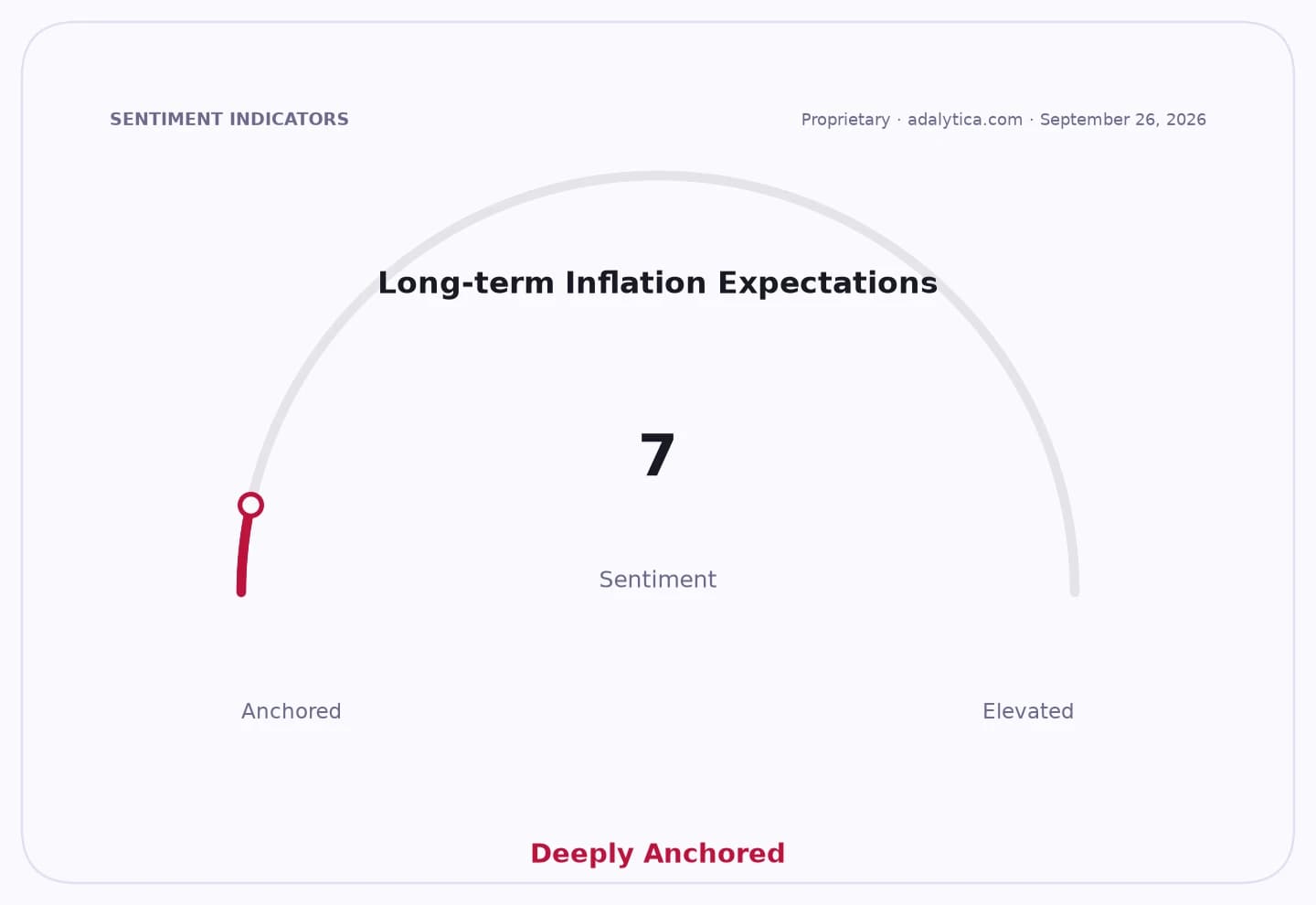
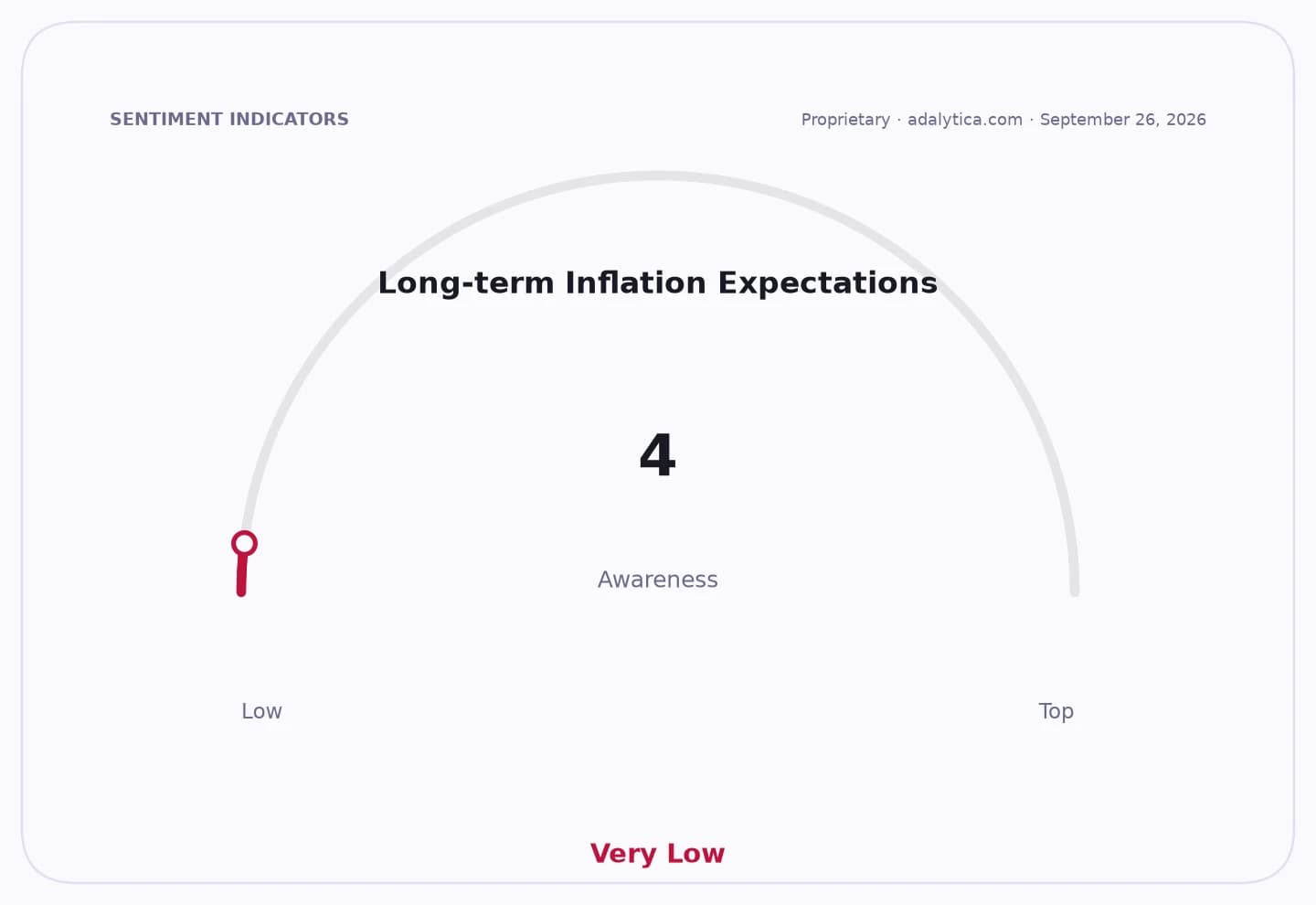
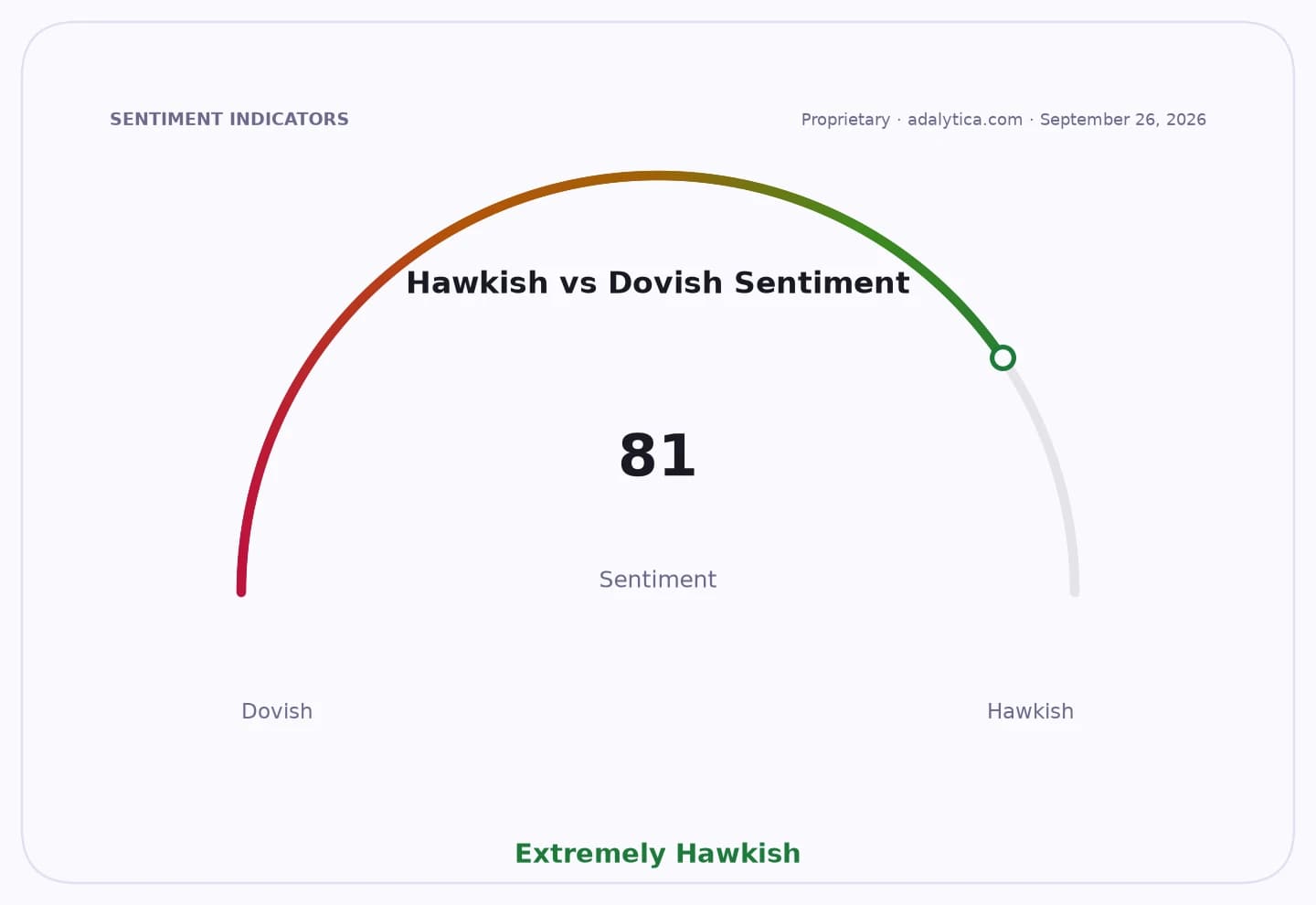
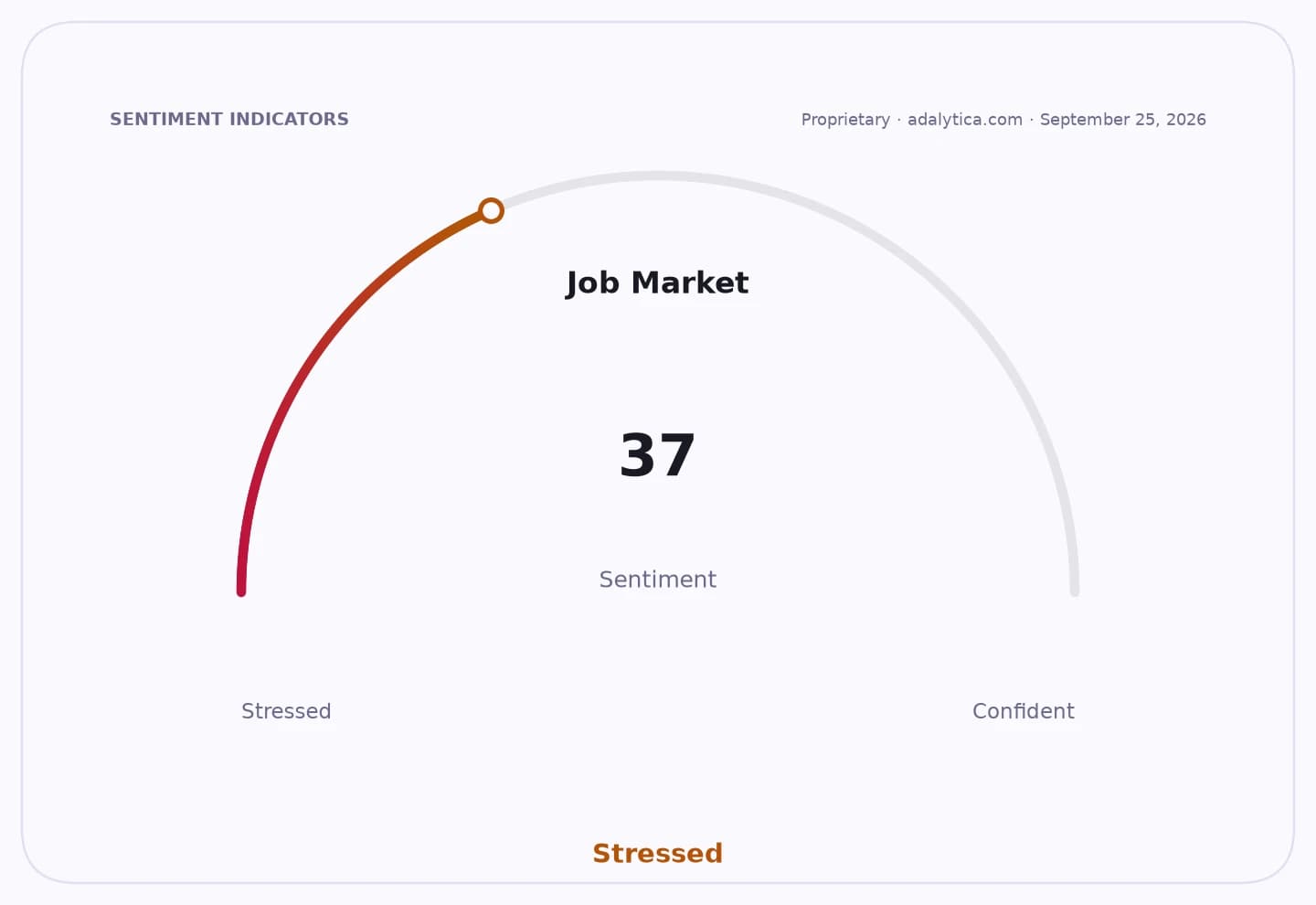
Adalytica’s Job Market Sentiment gauge shows why the mood can swing so quickly. Sentiment has jumped to Extreme Greed even as awareness remains only Neutral, while nonfarm payroll sentiment sits at Neutral with extreme fear around awareness. That combination usually means people are chasing the labor story before the evidence is fully settled. For investors, that is a warning not to confuse a tight headline labor market with a healthy one across every sector and region.
The bigger narrative is a labor market in transition. Industrial employers are consolidating and cutting staff, while other regions are still creating openings and pulling in new contributors. That is bad news for legacy industrial names, but good news for recruiters, staffing firms, workforce-training providers, and labor-market platforms that sit on the toll road between workers and jobs.
For investors, the takeaway is simple: don’t buy the illusion of labor stability; buy the beneficiaries of labor churn. The best opportunities will come from companies that help the economy re-match workers to growth faster than the old system can break apart.
| Entity | Gains | Losses |
|---|---|---|
| Staffing and recruitment firms | ▲Higher placement demand | ▼Slower hiring freezes |
| Job-search platforms | ▲More traffic and monetization | ▼Legacy HR channels |
| Workers in growth regions | ▲More openings and mobility | ▼Workers in shrinking industries |
| Industrial employers | ▲Cost cuts from consolidation | ▼Layoff fallout and weak morale |