Labour plans grocery wholesale split for Foodstuffs
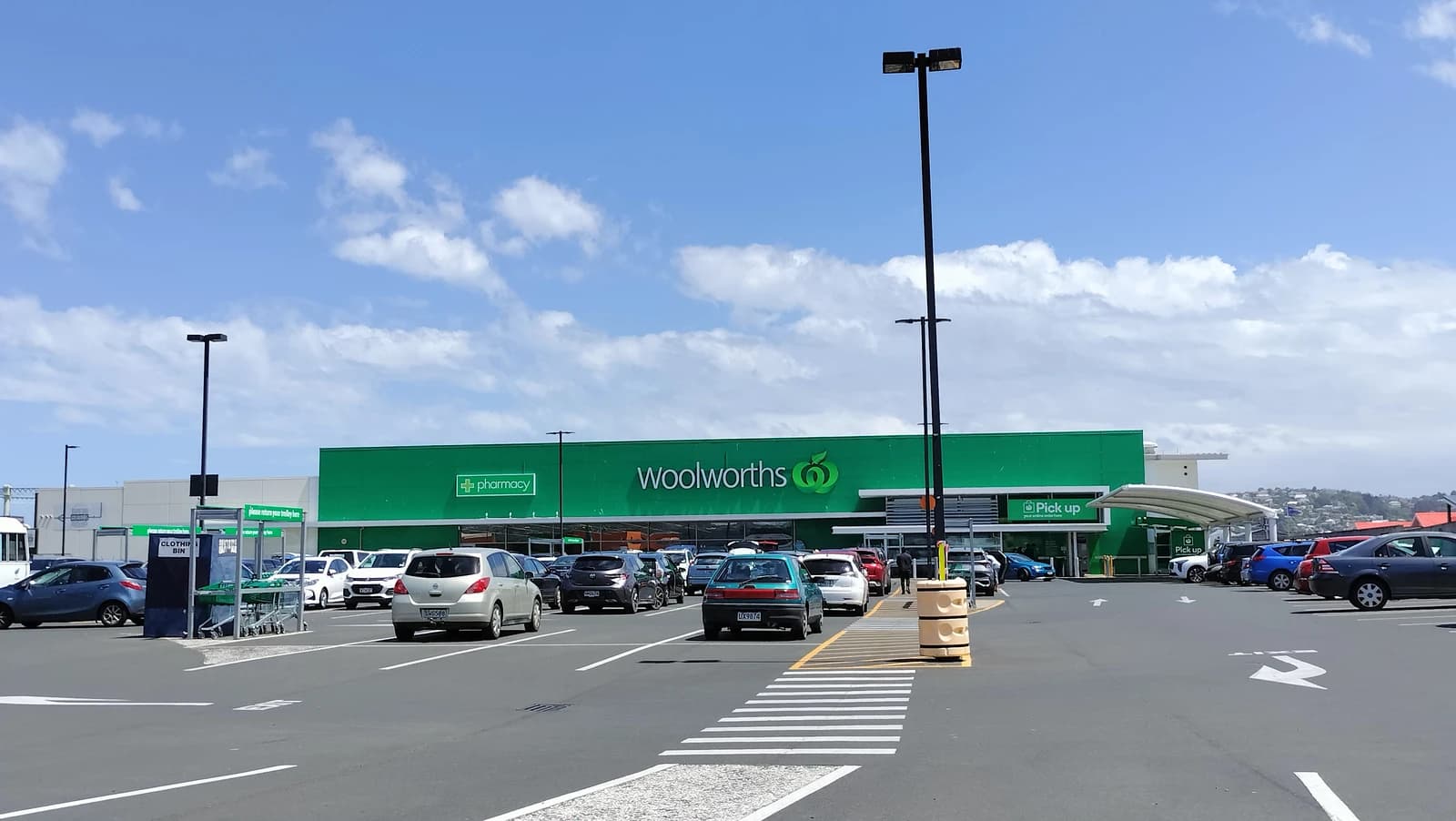
Labour says it will force Foodstuffs and Woolworths to separate their wholesale arms from retail stores if elected in November, a direct challenge to New Zealand’s grocery duopoly that the party says would lower costs for smaller grocers and sharpen price competition.
The policy goes after a market structure Labour argues leaves independent supermarkets paying more for stock and struggling to compete. By requiring Foodstuffs Wholesale and Woolworths Wholesale to run independently, the party is betting that more supply options will make it easier for new stores to open, expand and undercut the dominant chains.
That matters economically because groceries sit near the center of household spending and inflation expectations. A less concentrated wholesale network could reduce pricing power, improve product access and put pressure on margins across the retail supply chain, even if the benefits take time to filter through to shoppers.
Labour commerce spokesperson Arena Williams said the party would move immediately rather than launch another review, a jab at National’s approach after the Commerce Commission found wholesale competition remained weak in pricing, range and access despite some improvements from Woolworths and slower progress from Foodstuffs, especially in the South Island.
The proposal would also stop the two chains from cutting off supply when smaller operators gain traction and would remove restraint-of-trade rules that can keep independent banners such as Four Square from lowering prices, switching chains or going fully independent. For investors, that raises the prospect of lower structural returns for the big grocery owners but potentially stronger growth for smaller retailers, suppliers and landlords tied to a more competitive grocery market.
The policy lands as food-price sensitivity remains elevated and consumer spending on groceries is under strain. The question now is whether Labour can turn a long-running competition complaint into an election issue — and whether the market sees it as a credible threat to the duopoly’s pricing model or just another promise waiting on a vote.
| Entity | Gains | Losses |
|---|---|---|
| Smaller grocers | ▲Better wholesale access | ▼Less dependence on duopoly |
| Foodstuffs/Woolworths retail arms | ▲— | ▼Pricing power, control |
| Consumers | ▲Potentially lower prices | ▼— |
| Labour | ▲Election momentum | ▼Execution risk |