Lamongan rice yields reach 11.3 tons per hectare
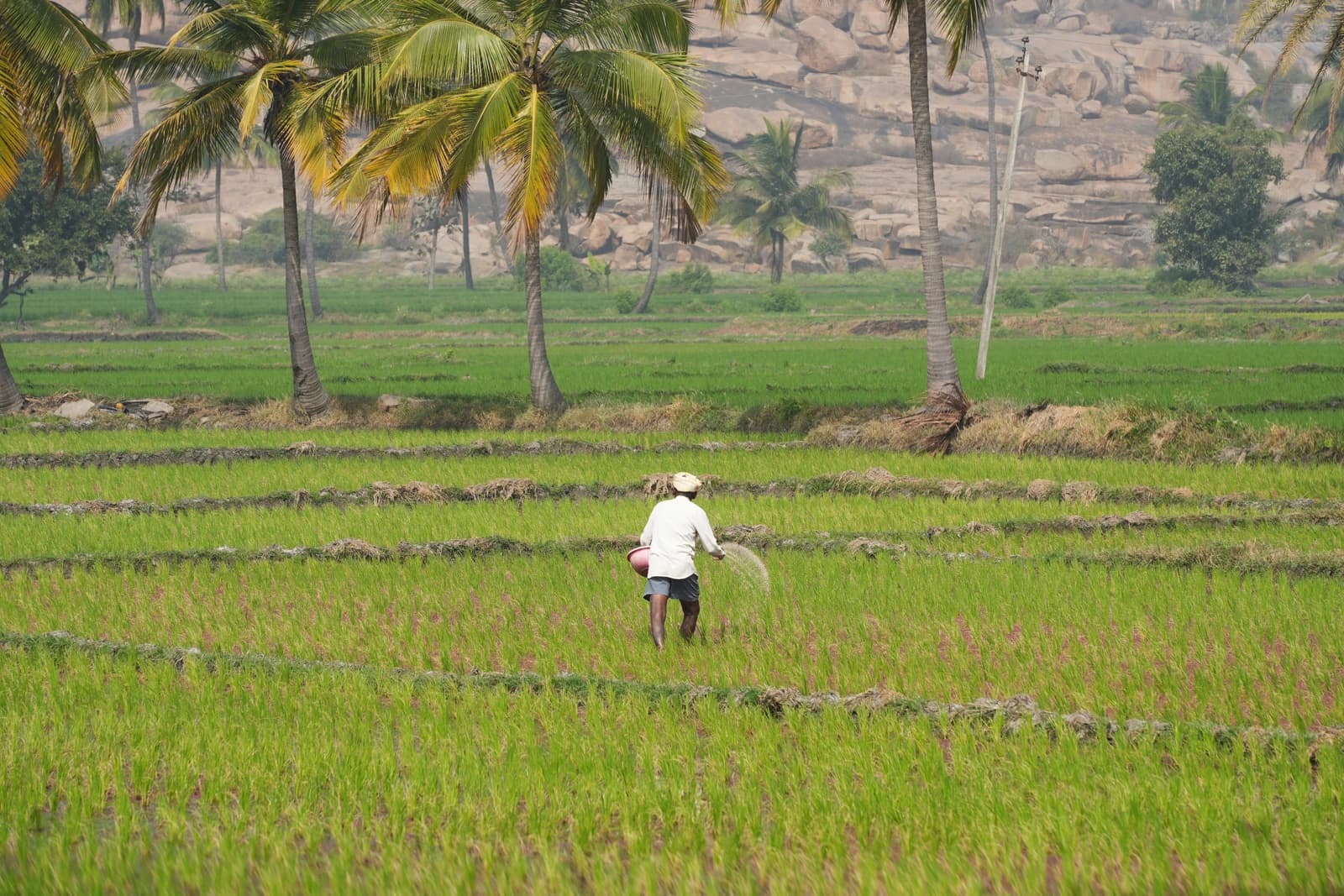
Lamongan’s rice fields are delivering unusually strong yields, but the bigger economic story is whether local authorities can keep the crop cycle moving fast enough to turn one good harvest into sustained output.
In Desa Truni, Babat, paddy productivity in the second planting season averaged 11.3 tons per hectare, with some varieties producing 11 to 11.5 tons and the potential to reach 12 tons per hectare, according to local officials. That level of output is high by Indonesian standards and matters because it points to a productivity model that can raise farm incomes, lift regional food supply and reduce pressure on rice prices if the gains can be repeated across planting cycles.
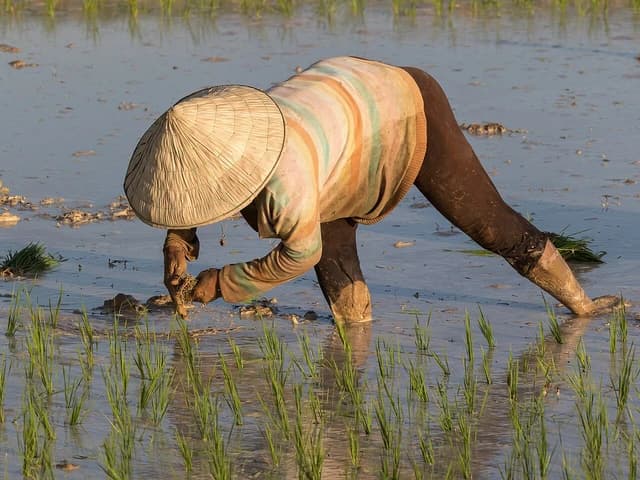
Lamongan Regent Yuhronur Efendi said the harvest covered about 130 hectares and urged farmers to plant again quickly after harvest, warning that the next season depends on adequate water. The district has already handed over three pumping irrigation units and one water storage facility to support replanting, underscoring that the bottleneck is no longer only seed or technique but the availability of irrigation at the field level.
That is economically important for a rice-producing district in East Java, where output stability feeds directly into household income, local trade and broader food security. High yields on a few hundred hectares do not by themselves change national supply balances, but they do show how modern cultivation, water access and better field management can push yields well above traditional levels. For policymakers, the numbers support the case for irrigation investment and faster replanting windows; for farmers, they suggest that productivity gains can translate into better cash returns if they can avoid idle land between seasons.
The reported farm-gate price of Rp8,100 per kilogram adds another layer. Combined with the higher yields, it suggests farmers are currently benefiting from both volume and price, though that margin could narrow if production expands faster than demand or if input and water costs rise. Officials also noted that Truni farmers are diversifying into shallots, a move that can spread risk and add income, but rice remains the main anchor for the district’s agricultural economy.
The broader significance is that Lamongan is offering a local example of a national challenge: raising rice output without expanding land. Indonesia’s food policy has increasingly focused on squeezing more production from existing fields through irrigation, technology and better planting intensity. Truni’s harvest fits that narrative, but it also shows the limitation of yield gains if water infrastructure cannot support a quick follow-on crop. The real test is whether these 11.3-ton results can be maintained across the district’s wider planted area, not just in one village.
For investors in agribusiness, food commodities and related infrastructure, the takeaway is that productivity gains in rice are increasingly tied to water systems rather than acreage alone. That favors suppliers of irrigation equipment, storage and farm inputs, while keeping pressure on downstream buyers and consumers if poor water access constrains supply. The next catalyst will be whether Lamongan’s push to accelerate the third planting season translates into higher district-wide output and more consistent harvests through the rest of the year.
| Entity | Gains | Losses |
|---|---|---|
| Lamongan farmers | ▲Higher yields, better income | ▼Dependence on water supply |
| Local government | ▲Food-security credibility | ▼Pressure to fund irrigation |
| Rice buyers/consumers | ▲More potential supply | ▼Risk of tighter supply if replanting slips |
| Irrigation suppliers | ▲More demand for equipment | ▼Farmers delaying investment |