Latin America Elections and AI Risk in 2026
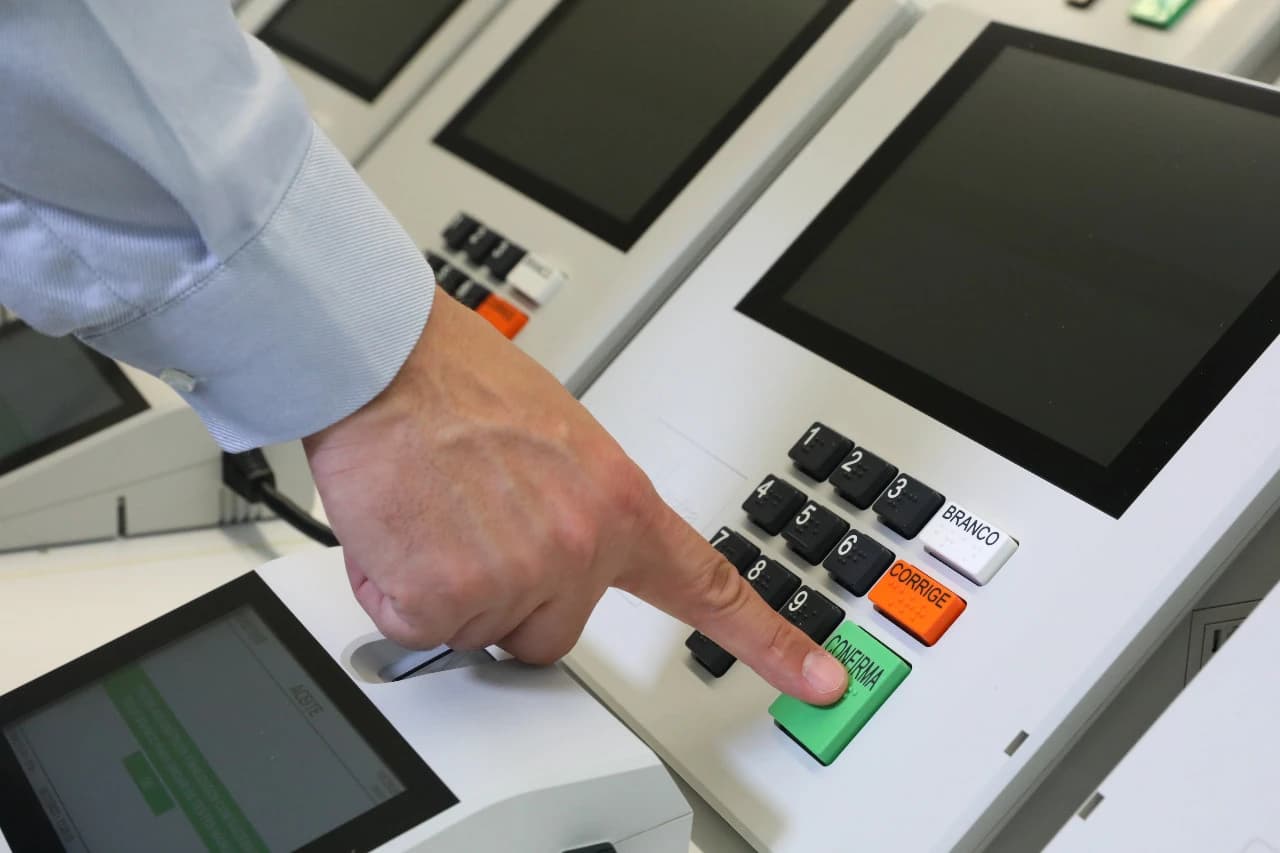
Artificial intelligence is no longer a futuristic election worry in Latin America. It is already reshaping how campaigns communicate, how voters get information, and how democratic institutions defend themselves, raising the economic stakes for governments, technology companies and investors alike.
That matters because elections are not just political events. They determine policy on taxes, regulation, trade, energy and public spending — the rules that ultimately shape growth and corporate profits. If AI makes the information environment noisier, deepfakes easier and fraud narratives harder to contain, then the cost of running elections rises while trust in outcomes becomes harder to preserve.
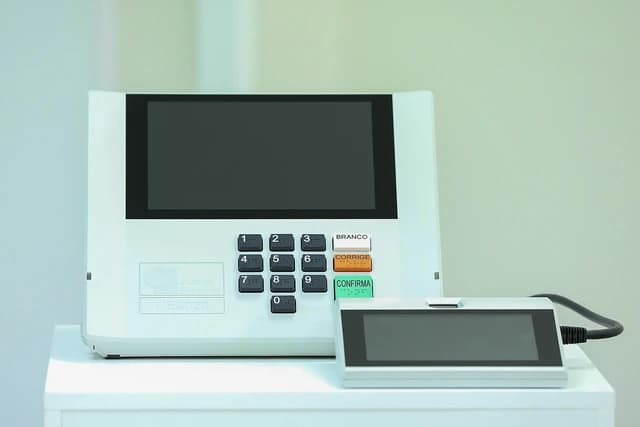
A new report from the German Marshall Fund found significant deepfake campaigns in 39% of monitored elections across 30 countries since late 2023, a reminder that the threat is already broad, not hypothetical. In Latin America’s 2026 election cycle, AI-fueled disinformation has helped amplify fraud narratives, turning a technical problem into a governance problem.
The bigger shift, though, is that election authorities are moving from worrying about AI to using it themselves. According to IDEA International, electoral institutions across Latin America are adopting or evaluating AI tools to automate administration, improve citizen service, strengthen cybersecurity and monitor campaign spending. That is the kind of practical adoption investors should watch: the same technology that can distort an election can also become part of the defense.
For long-term investors, the story is not about a single vote. It is about a structural race between synthetic media and institutional resilience. Countries that build clear rules around transparency, human oversight, data protection and accountability are likely to face lower democratic risk over time, which supports more stable policymaking and a better investment climate.
There is also an opportunity set here for the companies that can help solve the problem. The need for cybersecurity, content verification, identity tools, cloud infrastructure and compliance systems is likely to grow as election bodies modernize. That does not mean the winners will be obvious, but it does suggest AI governance is becoming a real market, not just a political talking point.
The caution for investors is equally clear: weak regulation and uneven institutional capacity can magnify volatility, especially in countries where election legitimacy is already fragile. In that environment, the safest approach is not to try to predict every twist in the news cycle, but to own the secular winners while respecting the risks that come with emerging markets and digital disruption.
In other words, AI is not replacing democracy’s core challenge. It is accelerating it. And for investors willing to think in years, not weeks, that makes Latin America’s election modernization worth watching closely.
| Entity | Gains | Losses |
|---|---|---|
| Election authorities with AI tools | ▲Efficiency, cybersecurity | ▼Legacy processes |
| Voters seeking information | ▲Faster services | ▼Less reliable information |
| AI security and verification providers | ▲New demand | ▼Complacent vendors |
| Disinformation actors | ▲Cheaper manipulation | ▼Exposure to detection |