Latvia plans 300% duty on Russian and Belarusian grain
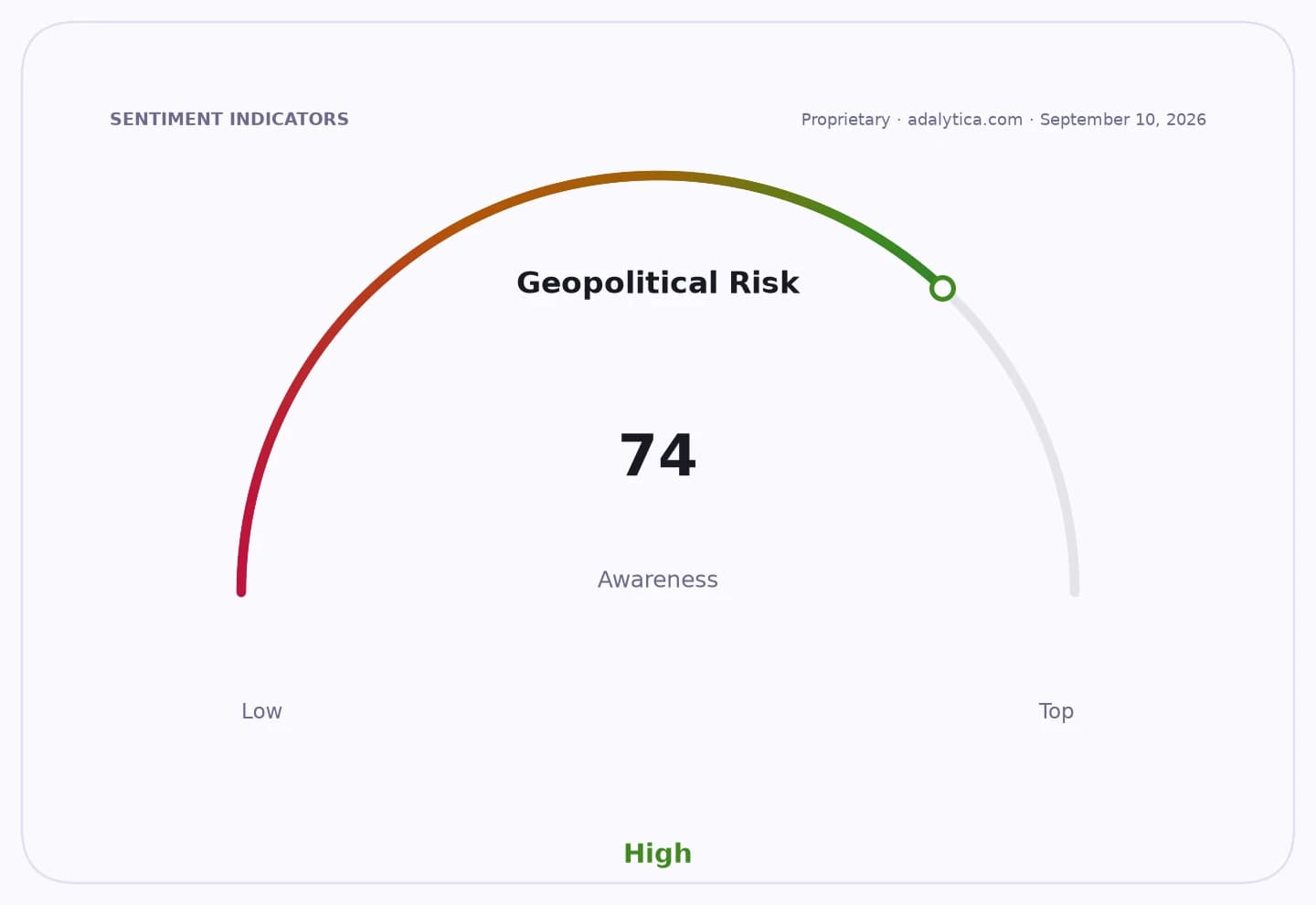
Latvia is preparing a 300% duty on grain from Russia and Belarus, a punitive trade move designed to choke off low-cost flows through the Baltic logistics corridor and make the business uneconomic for shippers.
The measure matters because it is not just a symbolic sanction. By targeting grain transit, Riga is trying to cut off a route that Russian and Belarusian exporters can use to reach European markets and ports, while also preventing the region’s infrastructure from becoming a backdoor for sanctioned or politically sensitive cargo. Latvian officials are also working with Ukrainian laboratories to identify grain that may have been exported from occupied areas of Ukraine, adding a compliance and traceability layer to the policy.
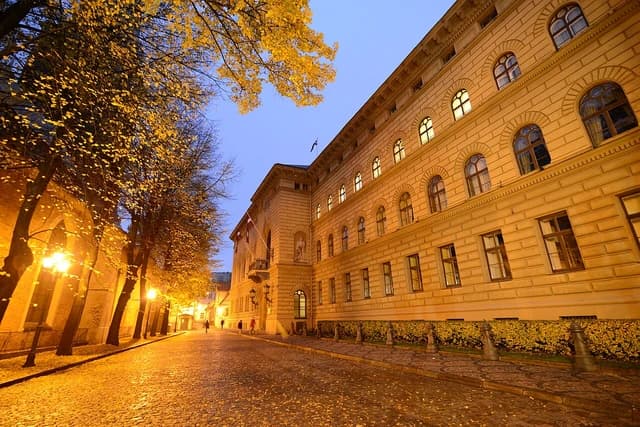
Prime Minister Andris Kulbergs said Latvia wants to make such shipments unprofitable for the sender, and plans to coordinate the move with Estonia and Lithuania. That regional alignment is important: a unilateral tariff would be easier to reroute around, but a Baltic front would raise costs across multiple transit points and reduce the scope for arbitrage. It also reflects a broader shift in Eastern Europe toward using customs policy as a geopolitical tool, not just a revenue instrument.
For markets, the immediate effect is less about direct Latvian grain prices than about the wider signal for Black Sea and Baltic trade flows. Any restriction on Russian-origin grain can tighten nearby supply channels, even if global benchmark prices are still driven mainly by crop size, weather and shipping disruptions. The most exposed parties are exporters that have relied on Baltic routes, traders handling mixed-origin cargoes and local transport operators that could lose volume if shipments are rerouted. Domestic Latvian farmers, by contrast, stand to benefit from reduced import pressure and weaker competition from discounted grain.
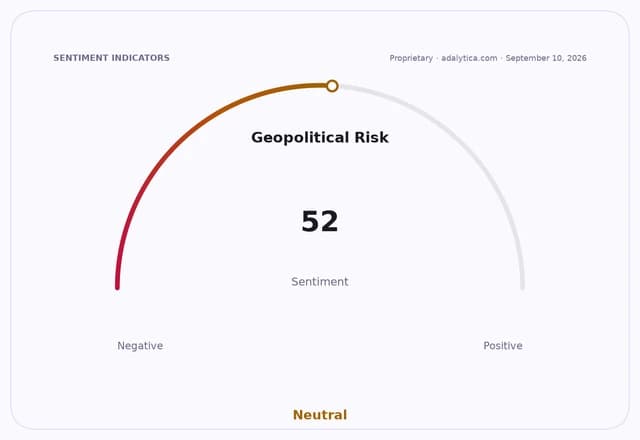
That said, the policy carries risks. A 300% duty could invite retaliation or simply divert trade rather than eliminate it, especially if grain is reclassified, transshipped or blended through third countries. It could also add friction to an already strained regional food system at a time when war-related logistics remain volatile. The key investor question is whether this becomes a one-off Baltic response or part of a broader tightening of European agricultural border policy.
For grain traders and agri-linked investors, the next watchpoint is whether Estonia and Lithuania follow Latvia’s lead and whether enforcement can keep pace with the flow of cargoes. If the Baltics coordinate, the policy would materially raise the cost of moving Russian and Belarusian grain westward, with knock-on effects for freight, storage, and regional basis pricing.
| Entity | Gains | Losses |
|---|---|---|
| Latvian farmers | ▲Less import competition | ▼Higher input/tension risk |
| Baltic governments | ▲Stronger border control | ▼Trade friction |
| Russian and Belarusian exporters | ▲None | ▼Higher transit costs |
| Grain traders and shippers | ▲Route clarity if rules settle | ▼Margin squeeze, rerouting costs |