Latvia Plans 300% Tariff on Russian Wheat

Latvia is preparing to slap 300% tariffs on wheat from Russia and Belarus, a move that could choke off a key fallback route for Moscow’s grain exports as Black Sea shipping remains heavily disrupted by the war in Ukraine.
The step matters because Russia has increasingly relied on Baltic transit to move grain to overseas buyers after drone attacks and fighting have constrained loadings in the Black Sea and Azov Sea. If Latvia follows through, it would not just punish Russian and Belarusian cargoes; it would also force traders to reroute volumes, raise freight costs and tighten already unstable supply chains for one of the world’s most traded crops.
The Latvian government framed the tariff plan as retaliation for Russia’s war effort and hybrid pressure on the Baltic states, which have faced sporadic drone incidents and mounting security tensions. Officials in neighboring Lithuania have also been weighing restrictions on Russian wheat shipments through their ports, underscoring a wider regional push to squeeze Kremlin-linked trade flows.
Russia shipped 46.3 million metric tons of grain through Black Sea and Azov Sea ports in the latest export season, or about 90% of its sea-borne grain exports, according to industry figures. That leaves limited room for disruption elsewhere, which is why the Baltic route has become more important — and why its closure would matter to global buyers already dealing with erratic supply from the war zone.
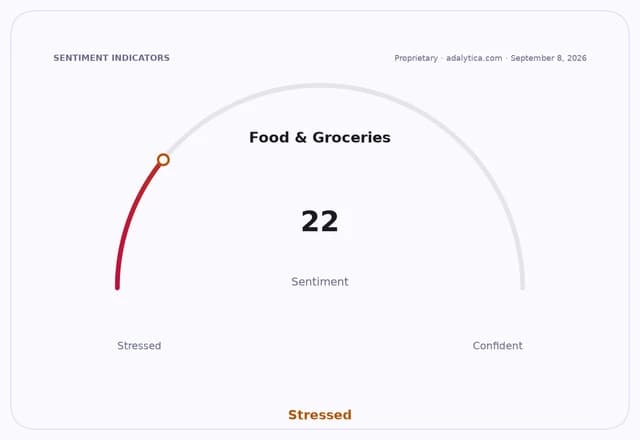
For investors, the immediate read-through is bullish for wheat prices and for grain-handling firms outside Russia that can capture redirected trade, while Russian exporters and any intermediaries using Latvian ports face margin pressure and logistical risk. The move also lands in a market already sensitive to weather shocks and geopolitics, with wheat prices up more than 15% over the past year and food-spending sentiment in a deep fear reading.
Traders will be watching whether Latvia enacts the tariff quickly, whether Lithuania follows, and whether Moscow responds with its own trade or transit countermeasures. Any further tightening around Baltic ports would add another layer of volatility to global grain markets and could keep food inflation elevated into the next shipping season.
| Entity | Gains | Losses |
|---|---|---|
| Latvia / Baltic states | ▲stronger leverage over Russia | ▼lower transit activity |
| Russian grain exporters | ▲alternative routes if available | ▼higher costs, disrupted access |
| Global wheat bulls | ▲tighter supply backdrop | ▼no immediate relief in prices |
| Non-Russian grain shippers | ▲rerouted volumes, more demand | ▼none material |