Leapmotor B03X Targets Mass-Market Compact SUV Buyers
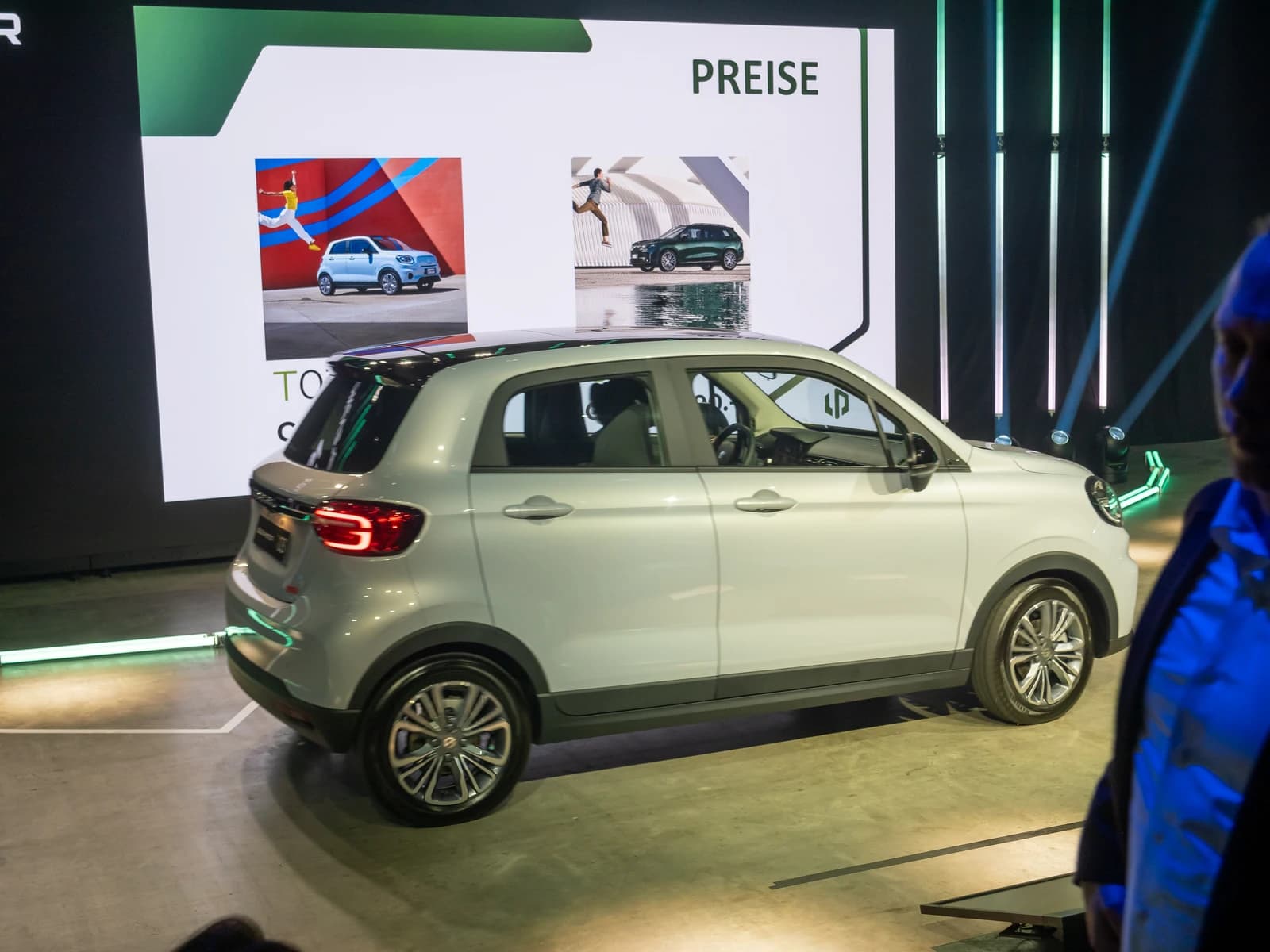
Leapmotor’s B03X compact SUV is another sign that China’s electric-vehicle makers are moving directly into the heart of the mass market, where price, size and feature content matter more than badge value.
That makes the car economically important even if it does not yet stand out as a breakthrough product. The B03X sits in a segment that global automakers have used to build scale and profit, but Chinese EV brands are increasingly using it to pressure incumbents on pricing and accelerate the shift toward battery-powered family cars. For investors, the key question is not whether Leapmotor can launch another model, but whether it can use volume in the compact-SUV class to improve utilization, support margins and widen its reach beyond China’s crowded lower-end EV market.
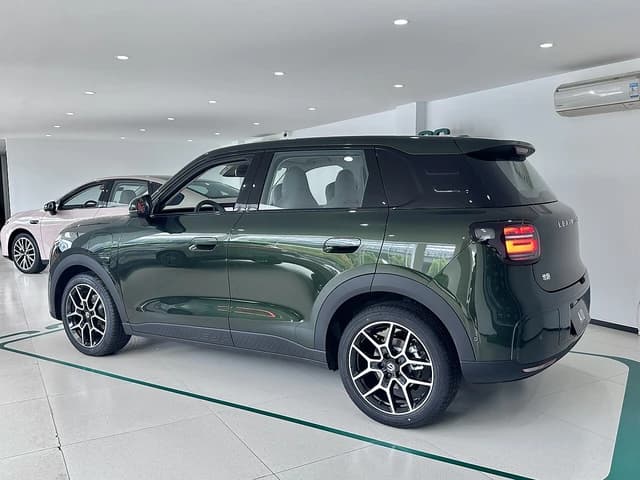
The review impression suggests a car built to compete on the same terms as the Ford Puma and other mainstream crossovers rather than on cutting-edge novelty. That is exactly why it matters. The compact SUV is one of the most contested categories in Europe and China, and a credible entrant from a Chinese EV maker raises the stakes for established manufacturers that depend on this segment for traffic and margin discipline. If Leapmotor can sell the B03X at a lower price point with acceptable range and software, it could force rivals to defend share with discounts, more equipment or faster product cycles.
The story also fits a broader industry pattern: Chinese carmakers are no longer confined to small-city commuters or premium halo models. They are pushing into vehicles that buyers actually need, especially family crossovers, where manufacturing scale and battery costs decide competitiveness. That creates a direct challenge for Ford, Volkswagen and other legacy groups trying to protect their European and global compact-SUV franchises while also funding the shift to electric drivetrains.
Market data around Leapmotor’s Hong Kong-listed shares shows how quickly sentiment can swing when there is little fundamental clarity. The stock has recently hovered around HK$4.40 to HK$4.60, with the 50-day moving average near HK$4.62, while the RSI has softened from oversold territory into the low-40s. That suggests investors are waiting for proof that new models can turn into sustained sales, not just launch-day attention. In technical terms, the shares are still trading close to trend support rather than breaking decisively higher, which mirrors the market’s cautious stance on whether Chinese EV expansion can translate into durable profitability.
For Ford, the implication is more uncomfortable. The Puma and similar small crossovers have long been dependable volume sellers, but they face a new kind of competition from Chinese EV entrants that can bundle digital features, battery tech and aggressive pricing. The danger is not just lost market share; it is a gradual erosion of the pricing power that has historically supported Western automakers’ product economics.
The bull case for Leapmotor is that a practical, mainstream SUV broadens its addressable market and gives it a better chance of building the scale needed to absorb research, tooling and distribution costs. The bear case is that China’s EV market remains brutally competitive, with too many models chasing the same buyers, which can leave even competent vehicles exposed to discounting and weak returns.
For investors, the B03X matters because it is a test of whether Chinese EV brands can move from disruption to repetition: not just launching cars, but launching cars that matter in the most commercially valuable segments. If Leapmotor can make the B03X work, it strengthens the case for Chinese exporters and weakens it for legacy compact-car incumbents. If it cannot, the market will keep treating new model launches as noise rather than evidence of a more durable growth story.
| Entity | Gains | Losses |
|---|---|---|
| Leapmotor | ▲Broader mass-market reach | ▼Pressure to prove margins |
| Ford | ▲— | ▼Puma share and pricing power |
| Chinese EV buyers | ▲More choice, lower prices | ▼Slower product differentiation |
| Legacy automakers | ▲Defensive urgency | ▼Volume and profit mix |