Lee Kuan Yew Montblanc pen sells for $360,000
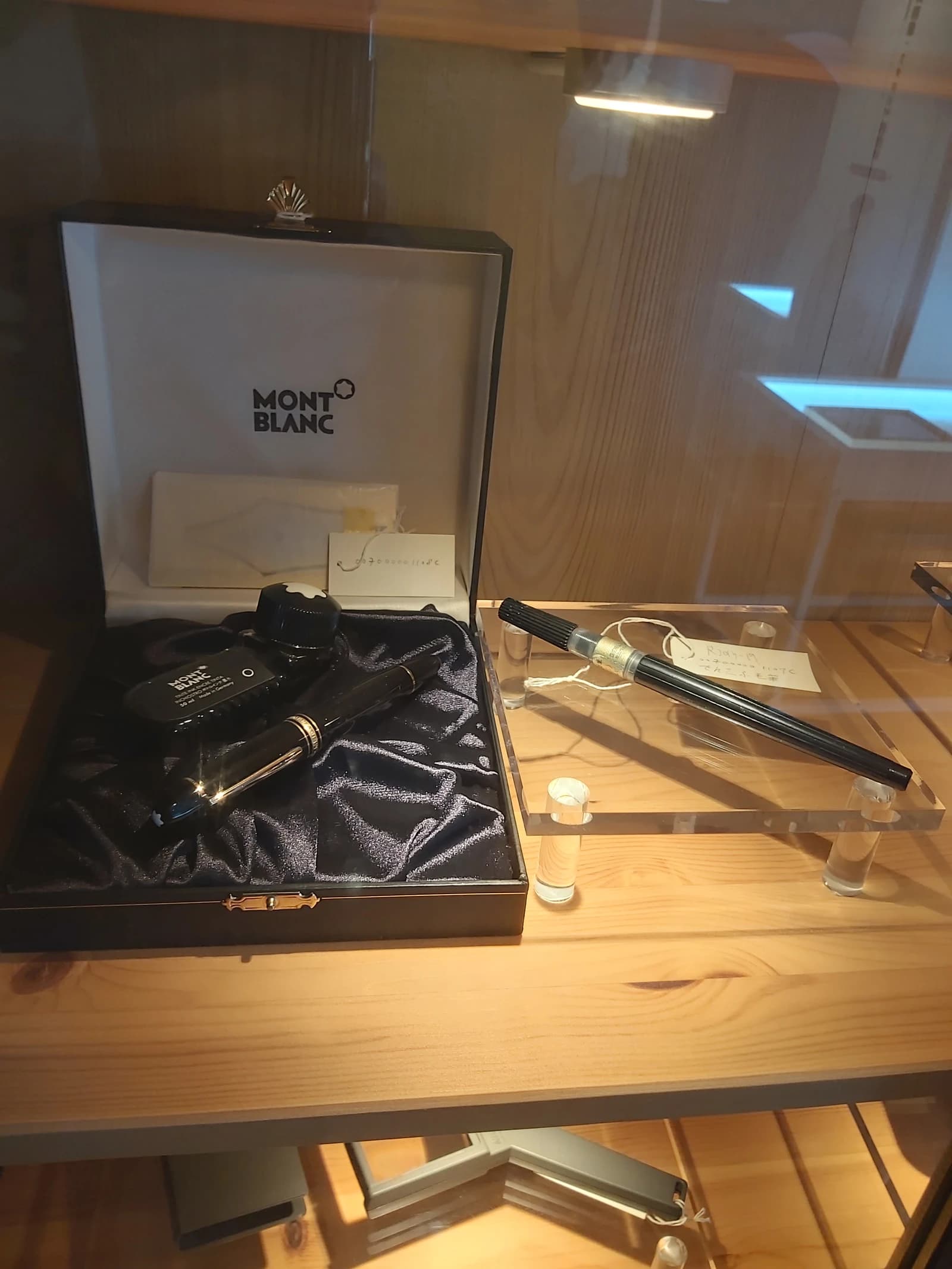
A Montblanc fountain pen once owned by Singapore’s founding prime minister Lee Kuan Yew has sold for $360,000, more than 10 times the auction estimate, underscoring how political provenance can overwhelm the value of the object itself.
The silver Meisterstück No. 146 drew 111 bids in an online sale by Hotlotz on Aug. 16, a level of bidding that points to an exceptionally strong appetite for rare memorabilia tied to one of Asia’s most consequential postwar leaders. The final price, including commission, would buy hundreds of ordinary Montblanc pens, which typically retail for a few hundred to a few thousand dollars depending on configuration and condition.
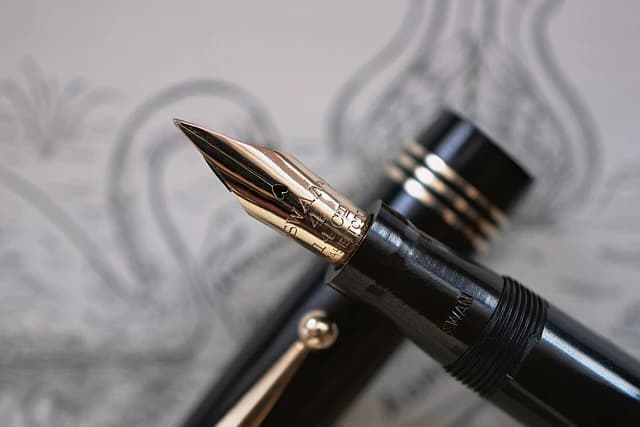
For investors and collectors, the result is less about stationery than scarcity, symbolism and liquidity in the memorabilia market. Assets linked to Lee carry a premium because he helped engineer Singapore’s rise from colonial outpost to one of the world’s wealthiest and most stable economies. That legacy gives private possessions a quasi-historical status, turning family heirlooms into trophy assets that can attract global buyers willing to pay far beyond replacement value.
The sale also shows how the secondary market for political and celebrity artifacts can reprice sharply when provenance is tightly documented. This was not the first time the pen had changed hands: it sold for $40,500 at a Sotheby’s auction in 2003, when Lee’s family auctioned 88 items to raise money for a charity supporting underprivileged girls. The latest result implies that demand for elite memorabilia has widened, even as questions around privacy and estate management continue to follow such sales.

There is a broader market lesson here. In a period when wealthy buyers are seeking tangible assets with unique narratives, memorabilia with direct ties to nation-building figures, musicians or screen icons can behave like a niche collectibles market with its own supply constraints and auction dynamics. The upside is obvious for sellers with authentic provenance. The risk for buyers is equally clear: these prices are driven by emotion, status and historical resonance, not by cash flow or intrinsic utility.
For Singapore, the auction is another reminder of the enduring commercial value of Lee’s public image, decades after he left office. For collectors, it suggests that the most valuable objects are increasingly the ones that compress history into a single authenticated item — especially when that item once sat in the hand of a founder.
| Entity | Gains | Losses |
|---|---|---|
| Lee Kuan Yew estate | ▲Higher memorabilia value | ▼Greater scrutiny of private legacy |
| Collector/buyer | ▲Trophy asset with provenance | ▼Pays premium over intrinsic value |
| Auction house Hotlotz | ▲Strong commissions and attention | ▼Exposure to privacy criticism |
| Competing memorabilia sellers | ▲Higher reference prices | ▼Harder to match standout provenance |