Libya caps flour prices for bakeries
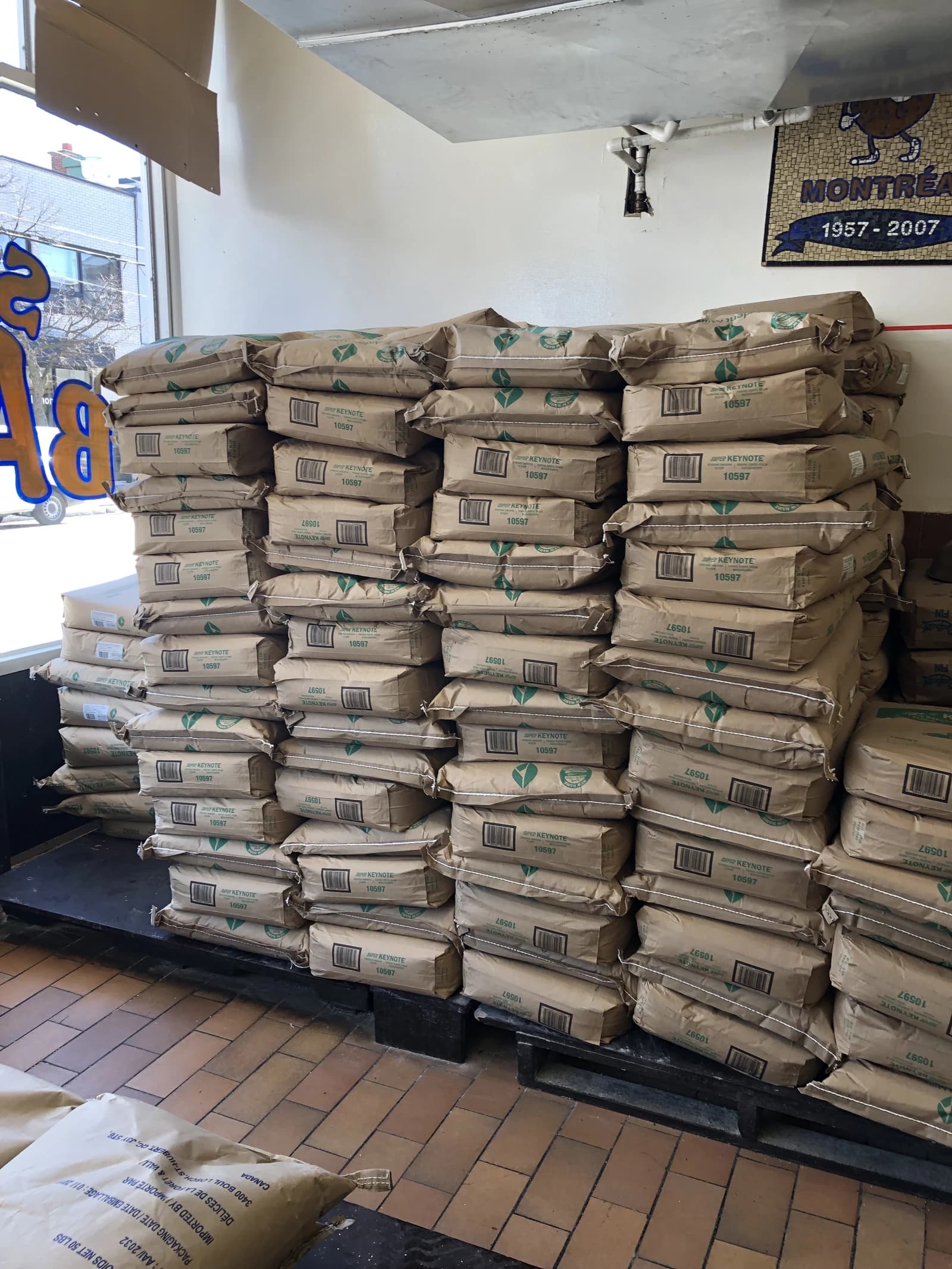
Libya has moved to cap the selling price of flour to bakeries at 280 dinars per qintar, a step aimed at stabilizing bread prices in a country where food subsidies, fuel shortages and power cuts have repeatedly fed shortages and public anger.
The agreement, reached after a joint meeting involving the Libyan Industry Union, the Ministry of Economy and Trade, the Central Bank of Libya and flour mills, is economically important because bread sits at the center of household inflation and social stability. The industry union said eight mills have already begun implementing the ceiling, suggesting the policy is being rolled out immediately rather than left as a paper commitment.
The cap is part of a broader effort to keep subsidized flour flowing to bakeries at controlled prices while limiting diversion and leakage. Authorities are also trying to link flour quotas to bakeries’ actual output, which is meant to reduce the sale of subsidized grain into more lucrative channels. In Libya’s fragmented subsidy system, that matters because wheat flour, diesel and electricity all affect the final price and availability of bread.
For consumers, the policy is meant to prevent another round of price increases or outright shortages after this summer’s bread crisis, when blackouts pushed up diesel costs and forced some bakeries to shrink baguettes, raise prices or close. For the state, it is another reminder that food policy is now inseparable from foreign exchange policy: private mills rely on letters of credit opened by the central bank at the official exchange rate to import grain, giving the government leverage to enforce price discipline.
That makes the measure a bargain between stability and profitability. Mills gain access to state-backed imports and a clearer sales framework, while losing some pricing flexibility. Bakeries may benefit from more predictable input costs, but smaller operators could still struggle if fuel, labor or distribution costs remain volatile. The broader risk is that the cap reduces visible price pressure without fixing the structural weaknesses that have driven repeated bread disruptions in Libya.
Investors and suppliers should watch whether the ceiling spreads beyond the first eight mills and whether the monitoring system proposed under a separate memorandum of understanding can curb subsidy diversion. If enforcement is weak, the cap may ease headlines but not the economics of supply. If it holds, the government would have a template for extending price controls to other essential goods.
| Entity | Gains | Losses |
|---|---|---|
| Bakers | ▲Lower flour costs | ▼Less room to pass on costs |
| Consumers | ▲More stable bread prices | ▼Risk of rationing if supply tightens |
| Flour mills | ▲Continued access to letters of credit | ▼Pricing flexibility |
| Government | ▲Short-term price stability | ▼Higher enforcement burden |