Libya NOC starts KK gas project trial operations
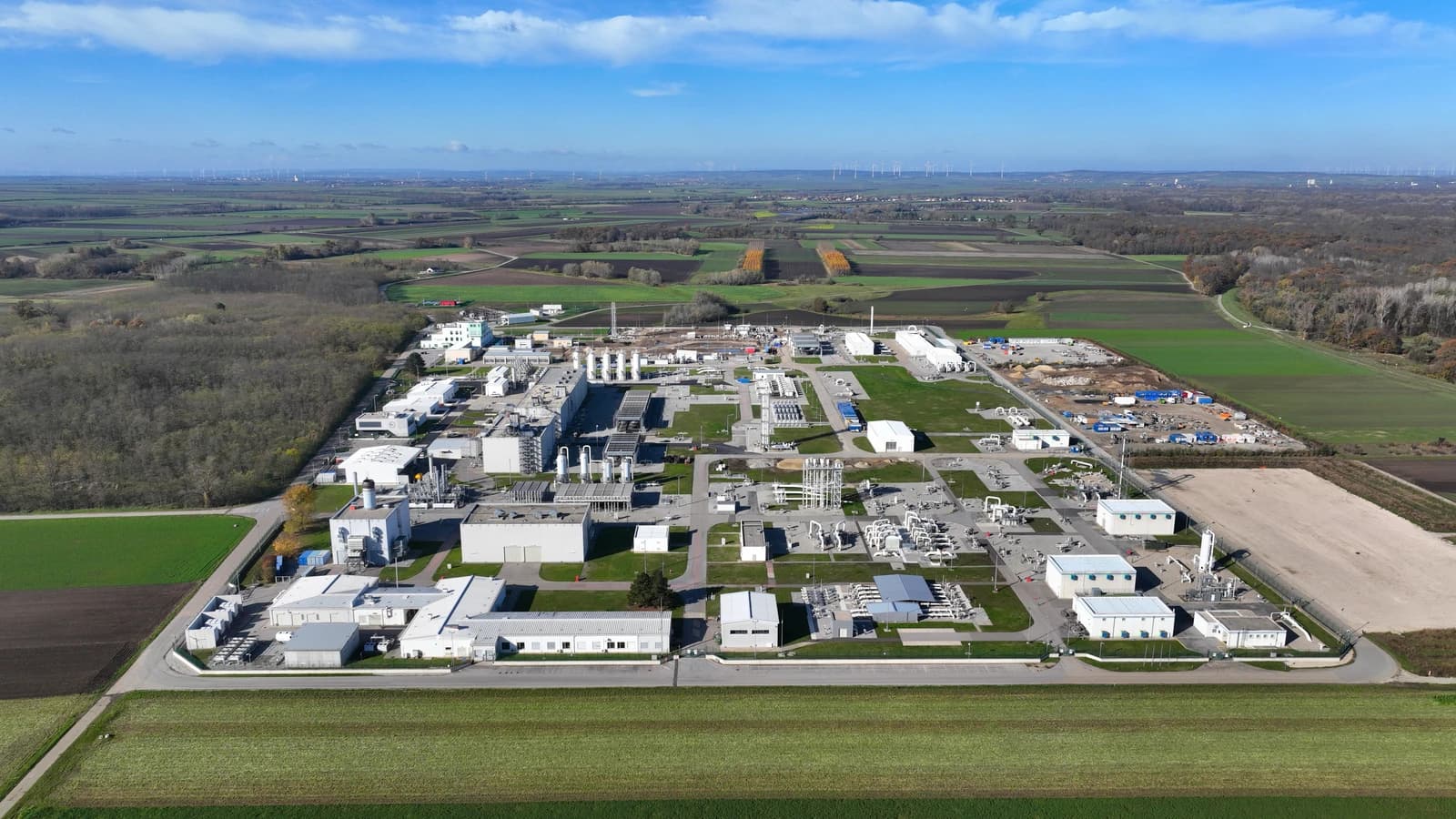
Libya’s National Oil Corporation has begun trial operations at the KK station gas project, a small but economically important step that could help lift domestic gas supply, reduce wasteful flaring and support a more reliable power and industrial fuel system.
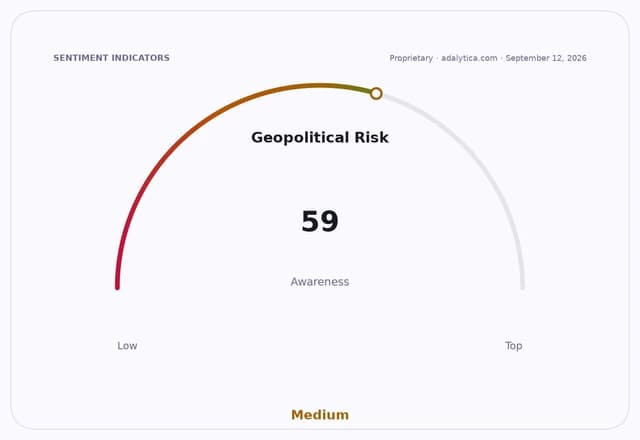
For investors, the significance is bigger than the headline suggests. In a country where oil and gas infrastructure is often shaped by underinvestment and operational disruption, even incremental gas capture projects matter because they improve efficiency, lower emissions and make the upstream sector more investable over time. They also point to a broader shift in Libya’s energy strategy: extracting more value from existing fields instead of relying only on fresh production growth.
The project, run by Mellitah Oil and Gas, is designed to recover all associated gas from KK station wells, about 15 million cubic feet a day. That gas will move through a 40-kilometer pipeline to Abu Attifel, where it will be processed at a natural gas liquefaction plant before being fed into the Zueitina hub and connected to the coastal network.
That matters for the local economy because gas is not just an export commodity in Libya; it is a critical input for electricity generation, industry and household supply. Any increase in captured gas can ease pressure on the national grid and reduce the amount of energy wasted through flaring. The NOC said the project supports the national network, helps meet local demand and strengthens “sustainable operation,” while also backing its goal of reaching zero gas flaring by 2030.
The environmental angle is not incidental. Gas capture projects are often among the cheapest ways for producers to cut emissions while improving cash flow, because they turn previously lost volumes into usable fuel. That makes them attractive in a world where energy companies are under pressure to show both production discipline and decarbonization progress.
For oil and gas investors, the story sits at the intersection of two long-term themes: supply security and capital efficiency. Companies and countries that can monetize associated gas more effectively tend to enjoy better margins, lower environmental liabilities and a more stable operating profile. In Libya’s case, every project that improves reliability also helps rebuild confidence in the sector after years of political and infrastructure stress.
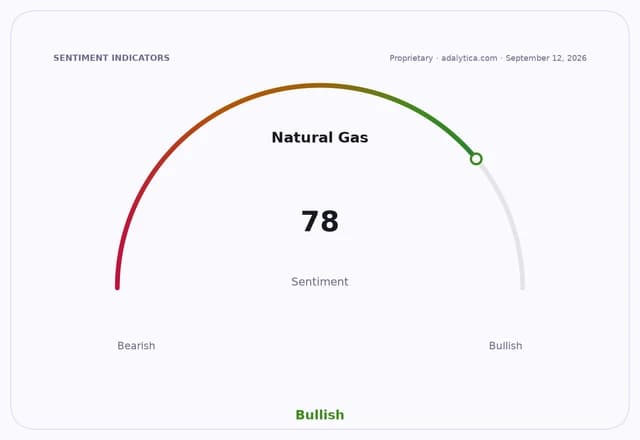
Natural gas markets remain sensitive to the broader supply picture as well. Standard technical indicators on U.S. natural gas futures show the contract near $2.83, with the 50-day moving average around $2.86 and RSI readings in the mid-50s, suggesting a market that is not stretched in either direction. Brent-linked energy equities have also stayed firm, underscoring how investors continue to value reliable hydrocarbon supply even as the energy transition reshapes the sector.
The real takeaway is that this is the kind of project that compounds over time. It may not move global gas balances on its own, but it improves Libya’s energy infrastructure, trims waste and nudges the country closer to a more modern operating model. For long-term investors, that is exactly the sort of steady, underappreciated progress worth watching in frontier energy markets.
| Entity | Gains | Losses |
|---|---|---|
| National Oil Corporation | ▲More gas supply; lower flaring | ▼ |
| Mellitah Oil and Gas | ▲Better operating efficiency; stronger output | ▼ |
| Libya’s power grid and consumers | ▲More fuel availability | ▼Energy shortages ease more slowly elsewhere |
| Emissions-intensive operators | ▲Cleaner profile; less wasted gas | ▼Higher compliance pressure |