Lingen nuclear fuel plant court challenge
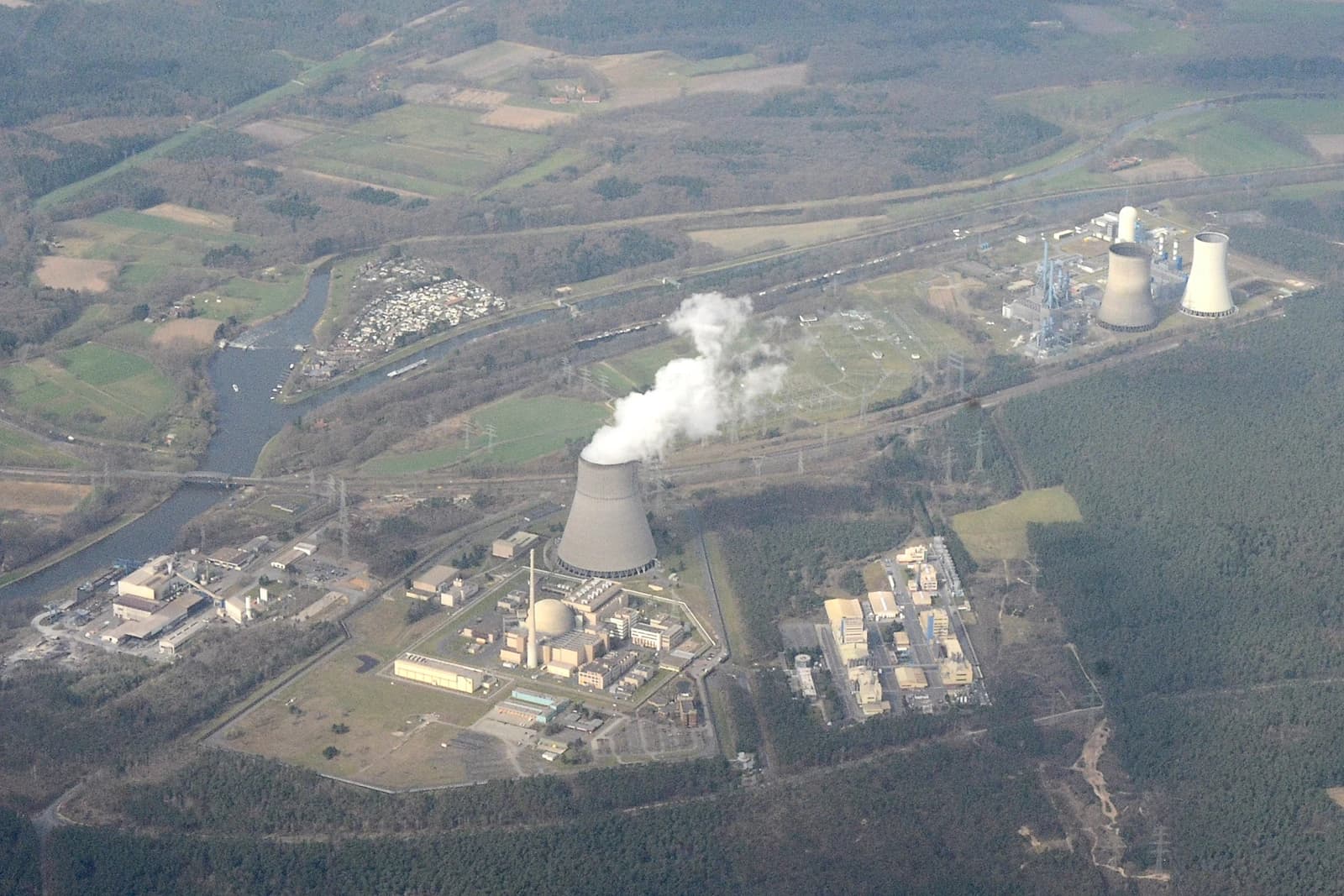
BUND’s court challenge to a planned expansion of nuclear fuel production in Lingen has turned a local permitting fight into a test case for Europe’s post-Ukraine energy security, because the project would tie a French-owned German plant more closely to a Rosatom subsidiary at a time when governments are trying to reduce dependence on Russian nuclear services.
The environmental group filed suit at the Higher Administrative Court in Lueneburg against Lower Saxony, which approved the expansion in July with conditions. The facility, run by Advanced Nuclear Fuels, a Framatome subsidiary, wants to make fuel elements for Russian-design reactors, with Framatome relying on cooperation with a Rosatom unit. The state argued it could not reject the application under atomic law and that federal review found no sufficient evidence of espionage or sabotage risk.
For investors and policymakers, the dispute is less about one factory than about whether Europe can credibly unwind Russian leverage in the nuclear supply chain. Nuclear fuel is a strategic input with long lead times, high regulatory barriers and few substitute suppliers. Any legal or political disruption to Lingen could slow a niche but important segment of the fuel market, complicate reactor maintenance plans in countries still operating Soviet- or Russian-designed units, and reinforce the broader push to localise nuclear fuel cycle capabilities inside the EU.
The lawsuit also underscores the commercial tension facing Framatome and its partners. On one side is the business case for serving installed reactor fleets that still need compatible fuel assemblies; on the other is the reputational, security and regulatory risk of deepening ties to Rosatom, whose role in global nuclear supply has become politically sensitive since Russia’s invasion of Ukraine. Lower Saxony’s Green environment minister has already called such cooperation “fundamentally wrong,” a signal that the controversy is unlikely to fade quickly even if the legal challenge fails.
Markets are unlikely to move immediately on the court filing, but the case matters for companies exposed to the nuclear fuel chain because it could influence future licensing, supplier strategy and investment decisions across Europe. It also fits a wider investor theme: governments are willing to accept higher costs and longer timelines to cut strategic dependence on Russia, even in sectors, like nuclear, where replacement capacity is limited.
For now, the legal process could take time before any hearing is scheduled. But the case is now a political and industrial stress test for Europe’s nuclear policy — and for how far the continent is prepared to go in severing the last operational links to Russian reactor technology.
| Entity | Gains | Losses |
|---|---|---|
| BUND / anti-nuclear groups | ▲Legal leverage | ▼No immediate policy win |
| Lower Saxony / regulators | ▲Chance to defend permit | ▼Political scrutiny |
| Framatome / ANF | ▲If expansion proceeds | ▼Delays and reputational risk |
| Rosatom / Russian supply chain | ▲If partnership survives | ▼Reduced EU access if blocked |