Ljubljana luxury homes sell on land value, not labels
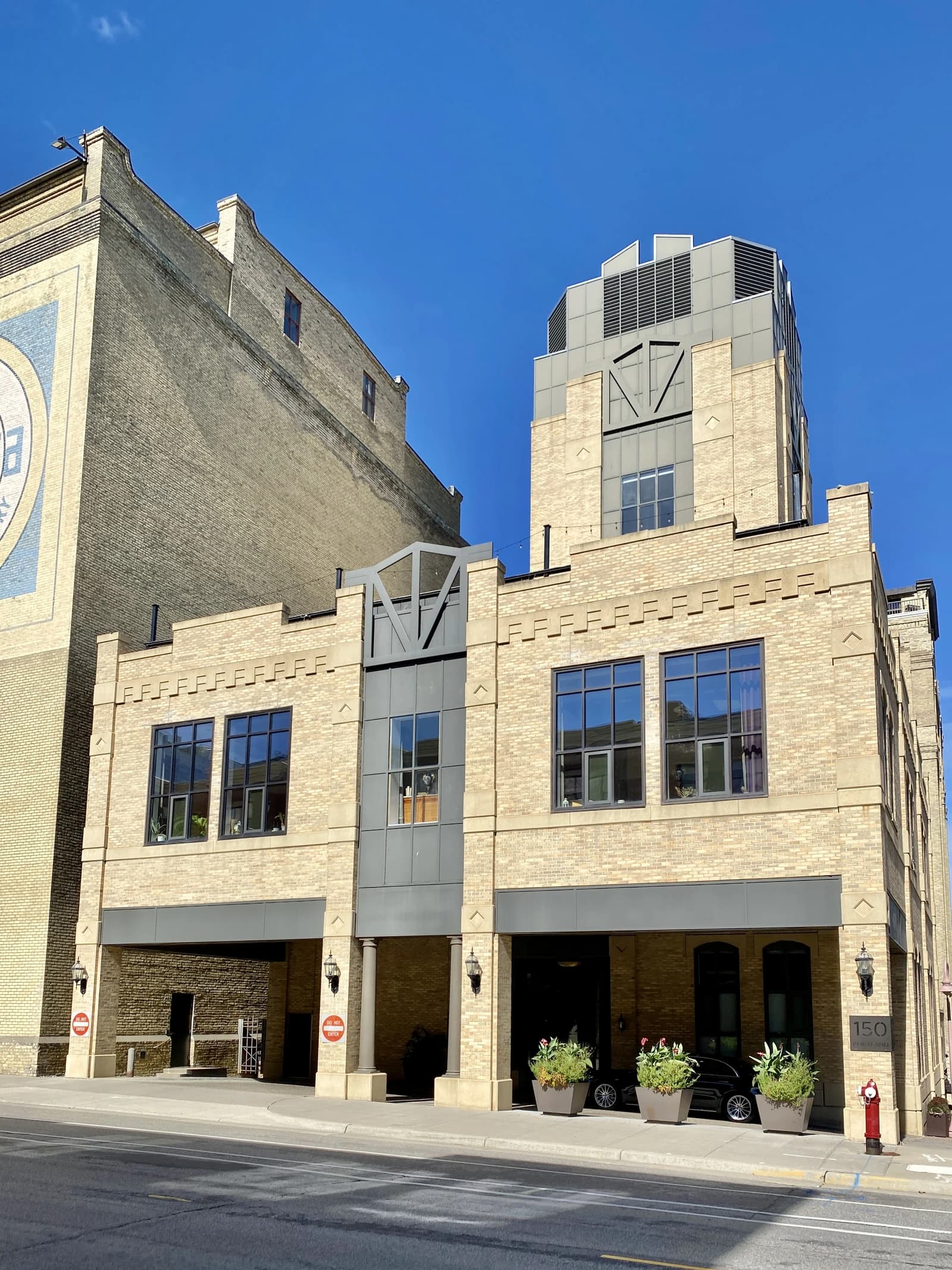
A seven-month run of million-euro property sales in Ljubljana shows the biggest mistake in luxury real estate: price does not automatically buy prestige.
The real story is not that Slovenia’s top-end housing market is collapsing. It is that the market is becoming more rational, more data-driven and far less sentimental, even as wealthy buyers remain active. In the first seven months of the year, 24 properties in Ljubljana sold for at least 1 million euros, yet several were not trophy homes at all — but ordinary houses, older apartments, or plots with development potential priced up by land, location and scarcity.
That matters because it changes how capital is allocated. In a small, supply-constrained market, the premium is increasingly on scarce urban land and usable assets, not on architectural bravado or the seller’s emotional attachment. For investors, that means the winners are likely to be the owners of well-located land, boutique residential developers, brokers with access to off-market stock and lenders who can finance transactions backed by real scarcity. The losers are sellers who anchor to aspirational prices and wait for buyers to validate a story the market no longer pays for.
The clearest evidence is in the gap between asking prices and realized deals. A house in Polica near Grosuplje was originally marketed for 1.3 million euros but eventually sold for 770,000 euros. A villa above Tržič once listed at 1.7 million euros is now being offered for 999,000 euros after changing hands through debt-related ownership. Those are not signs of a market crash so much as a correction in expectation.
In Ljubljana, the country’s deepest property market, the million-euro threshold is increasingly a catch-all for anything with a strong location or development angle. July transactions included a 253-square-meter apartment in Rožna dolina sold for 1.07 million euros, a package of three apartments on Soška ulica for 1.08 million euros, and a 242-square-meter house in Trnovo for 1.093 million euros. Higher up the scale, a 411-square-meter house on Tomažičeva ulica sold for 1.639 million euros, while a 1959-built house in Rožna dolina with more than 1,300 square meters of land fetched 1.76 million euros.
That mix is the point. The market is pricing optionality. A large parcel, a buildable lot or a prime address can matter more than whether the house itself qualifies as luxury. In other words, the million-euro sale is often a land trade disguised as a lifestyle purchase.
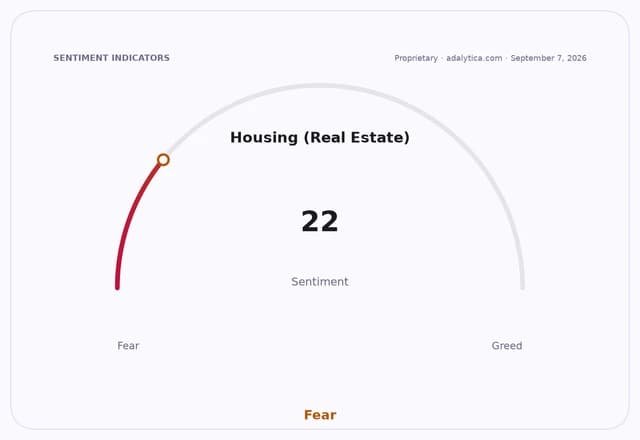
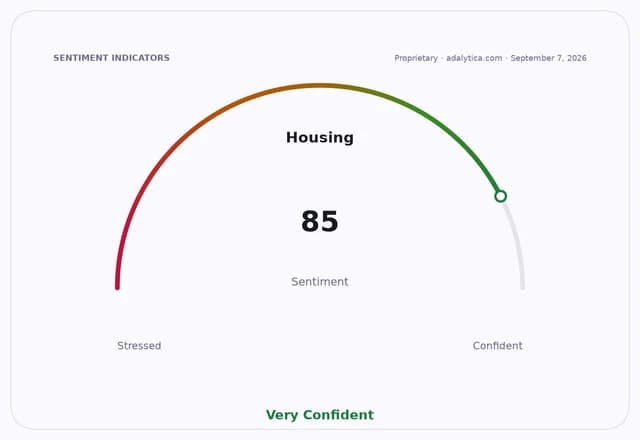
For investors, that is an important distinction. The broader residential market can still be under pressure in sentiment terms — Adalytica’s housing fear gauge for XHB has sunk to 22, with “extreme fear” on awareness — while listed real estate vehicles have been less fragile, with XLRE and IYR still holding above their 50-day and 200-day moving averages even as momentum has softened. That split suggests the market is separating scarcity assets from the rest of housing, not abandoning real estate altogether.
The macro backdrop reinforces that view. The 10-year U.S. Treasury yield remains near 4.8%, keeping financing costs elevated and making buyers more discriminating. In that environment, expensive real estate needs to be justified by real utility, not branding. Sellers who misprice assets can still close deals, but only after accepting that the market values the ground beneath the house more than the story attached to it.
What also stands out is who is buying. Realtors in Ljubljana say wealthy buyers can move fast once convinced, but they are far more demanding on due diligence. They ask about materials, future neighborhood development, maintenance costs and resale value. Some deals never make it to public listings at all, with agencies estimating around 5% of their top-end inventory is sold off-market. That favors brokers and private-network specialists and makes the visible market look thinner than the actual one.
The implication is straightforward: Slovenia’s luxury housing market is not disappearing, but it is maturing. The best assets are those with land scarcity, renovation value or development potential. The weakest are overbuilt vanity projects whose owners confuse sunk cost with market value. For investors, the opportunity lies in buying the toll roads of urban wealth — prime plots, hidden inventory, financing, brokerage and select redevelopment — rather than chasing headline luxury homes.
| Entity | Gains | Losses |
|---|---|---|
| Prime landowners in Ljubljana | ▲Scarcity premium | ▼Overpriced sellers |
| Off-market brokers | ▲Private inventory advantage | ▼Public-listing sellers |
| Luxury lenders | ▲Transaction volume | ▼Emotionally priced owners |
| Boutique developers | ▲Development upside | ▼Trophy-home speculators |