LNG bunker prices ease as Europe faces Russia supply risk
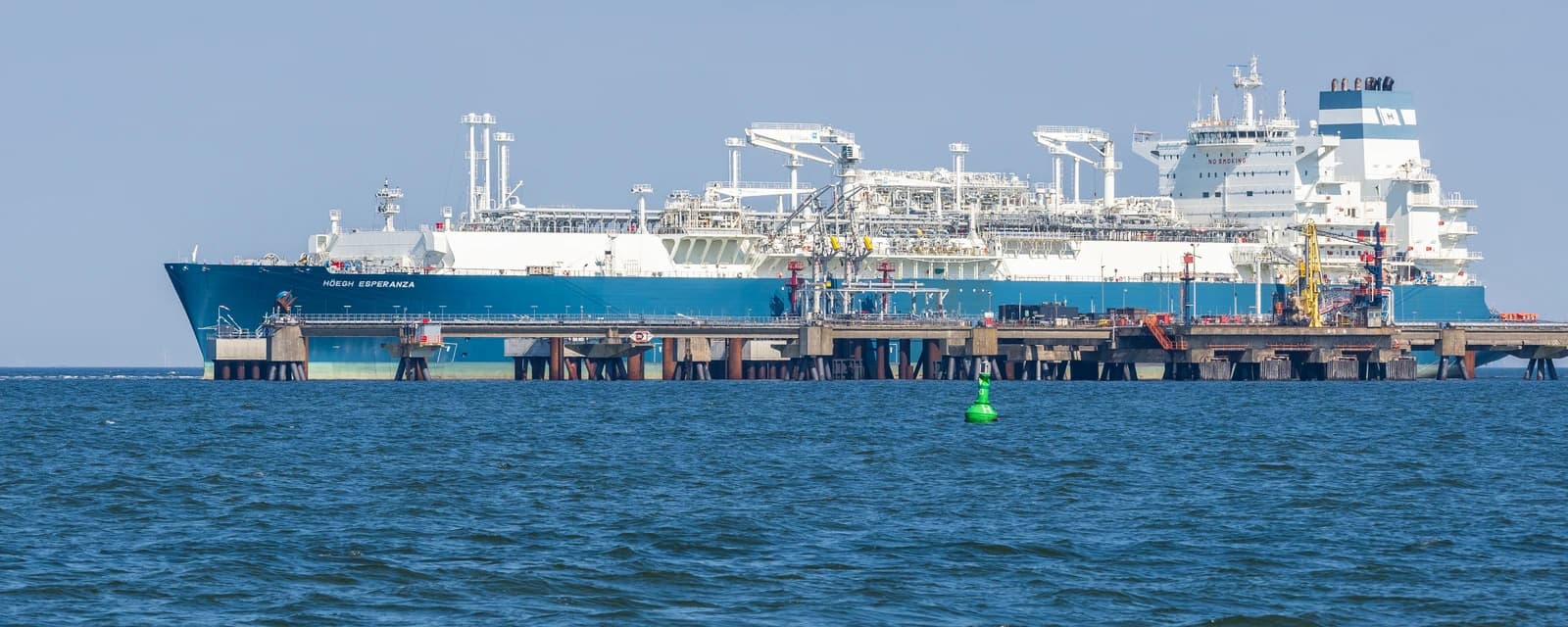
LNG bunker prices are pulling back as geopolitical risk premiums fade, but Europe’s dependence on seaborne gas and Russia’s expanding LNG shadow fleet keep the market vulnerable to the next supply shock.
The easing of Middle East tensions has cooled one of the main drivers of recent volatility in LNG-related fuel costs, helping take some pressure out of bunker prices. That matters for shipowners and cargo operators because bunker fuel is a direct operating cost, and in LNG shipping the price move feeds through to charter economics, freight rates and routing decisions.
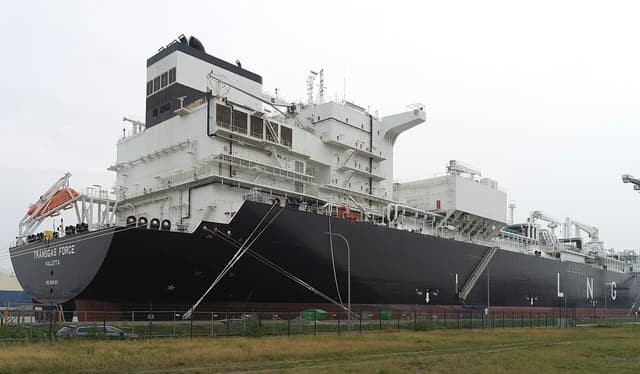
The backdrop in Europe remains less comfortable. Belgium is now fully reliant on Russian LNG imports after disruptions elsewhere in the region cut off alternative flows, underscoring how quickly regional supply chains can tighten when geopolitical risk flares. With the EU preparing sanctions on Russian LNG carriers from 2027, Moscow is also expanding a shadow fleet of second-hand and domestically built vessels to keep exports moving.
For investors, the retreat in bunker prices is a near-term relief for operators exposed to fuel costs, but it does not remove the larger trade and sanctions risk. LNG shipping names, port operators and energy traders remain exposed to swings in Middle East security, European import demand and any enforcement action against Russia’s fleet.
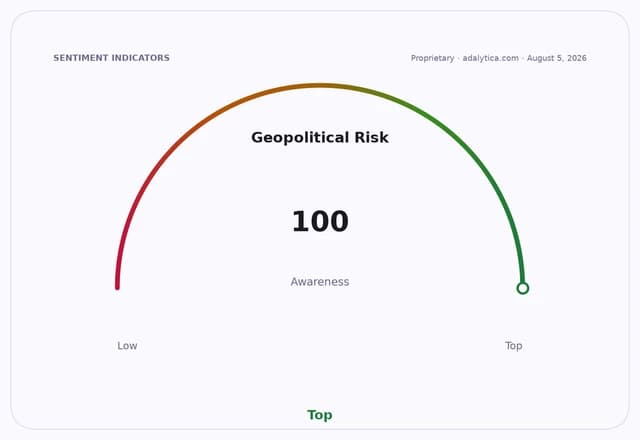
The market setup is still fragile. Adalytica’s Global Stability Sentiment is at 93, labeled extreme greed, while its natural gas market trade signals show fear, reflecting how quickly confidence can diverge from physical supply risk. LNG shares have been firm, with Cheniere Energy at $257.29 on Aug. 4 and Matson at $213.44, while ZIM Integrated Shipping has climbed to $27.29 as investors continue to price in freight volatility.
The key catalyst now is whether calmer geopolitics hold long enough to keep bunker costs easing, or whether renewed disruption, sanctions enforcement or a fresh supply shock pushes LNG freight and fuel prices back higher.
| Entity | Gains | Losses |
|---|---|---|
| LNG ship operators | ▲Lower fuel costs | ▼Less pricing power |
| Cargo buyers | ▲Cheaper bunker bills | ▼Margin relief fades if prices rebound |
| Russia | ▲Continued LNG export flow | ▼Sanctions pressure on its fleet |
| Europe | ▲Short-term price relief | ▼Greater exposure to supply shocks |