LNG Bunker Vessel Demand Rises for Shipping
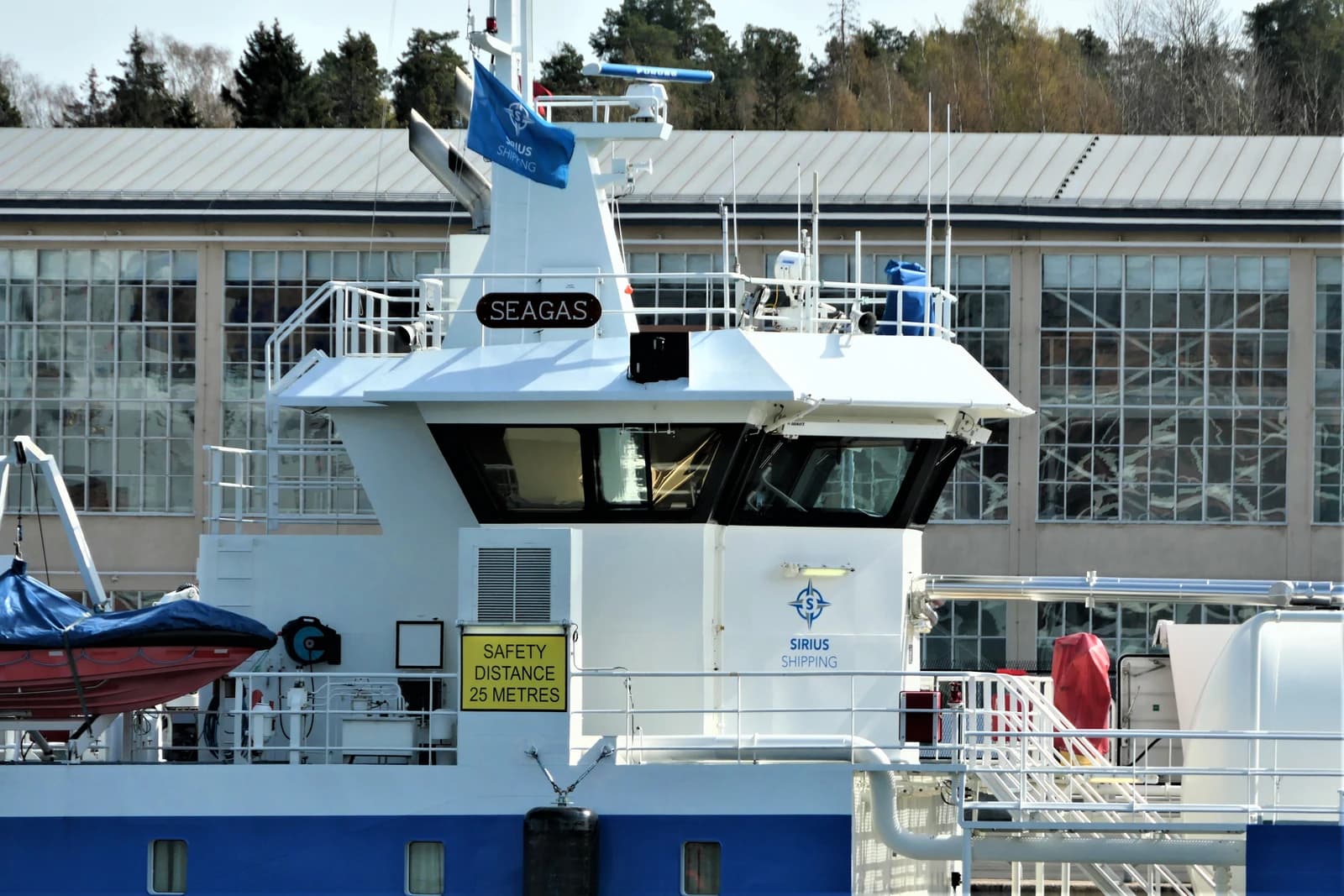
Global shipping’s move away from conventional marine fuel is creating a new infrastructure race, and DNV says the world may need more than 200 LNG bunker vessels by 2030 to keep up. That matters because the energy transition at sea is no longer just about cleaner engines and new ships — it is about the supply chain that fuels them, and the capital that has to build it.
LNG is already becoming a bigger part of the shipping mix as operators look for a lower-emissions bridge fuel while regulations tighten. But adoption only works if vessels can actually refuel at scale, in the right ports, on the right schedule. A shortage of bunker ships would slow that transition and constrain the economics for shipowners betting on LNG-fueled fleets.
For investors, that opens a long runway for companies tied to liquefied gas transport, port infrastructure and marine fuel logistics. Owners of LNG carriers and bunker vessels stand to benefit if the fleet expands, while shipyards, engineering firms and equipment suppliers could see a multi-year order cycle. Companies with existing exposure, such as Flex LNG and Dorian LPG's peer group in gas shipping, look positioned to ride the broad buildout in gas infrastructure, even if the exact winners depend on charter rates, financing and newbuild availability.
The broader market backdrop is supportive. Oil prices remain volatile, and Adalytica’s Oil WTI trade signals show extreme fear even as awareness stays elevated, a reminder that volatility keeps nudging operators and regulators toward fuel diversification. That does not make LNG a risk-free answer — methane emissions, regulation and fuel price swings remain real concerns — but it does reinforce why shipping is treating gas as a practical step in decarbonizing fleets.
The long-term investment case here is straightforward: if LNG-fueled shipping keeps gaining share, the supporting infrastructure has to grow with it. That means more bunker vessels, more terminals and more specialized service providers. For patient investors, this is the kind of secular shift that can compound over years, not quarters, and it is worth watching closely.
| Entity | Gains | Losses |
|---|---|---|
| LNG bunker vessel owners | ▲Higher charter demand | ▼Fleet shortage risk eased less |
| LNG-fueled ship operators | ▲Easier refueling access | ▼Delay costs if supply lags |
| Shipyards and equipment suppliers | ▲More newbuild orders | ▼Capacity pressure, longer lead times |
| Conventional marine fuel sellers | ▲— | ▼Market share to LNG alternatives |